Cheese in Africa: The Complete Guide
Crumbly Ethiopian ayib on your spoon.
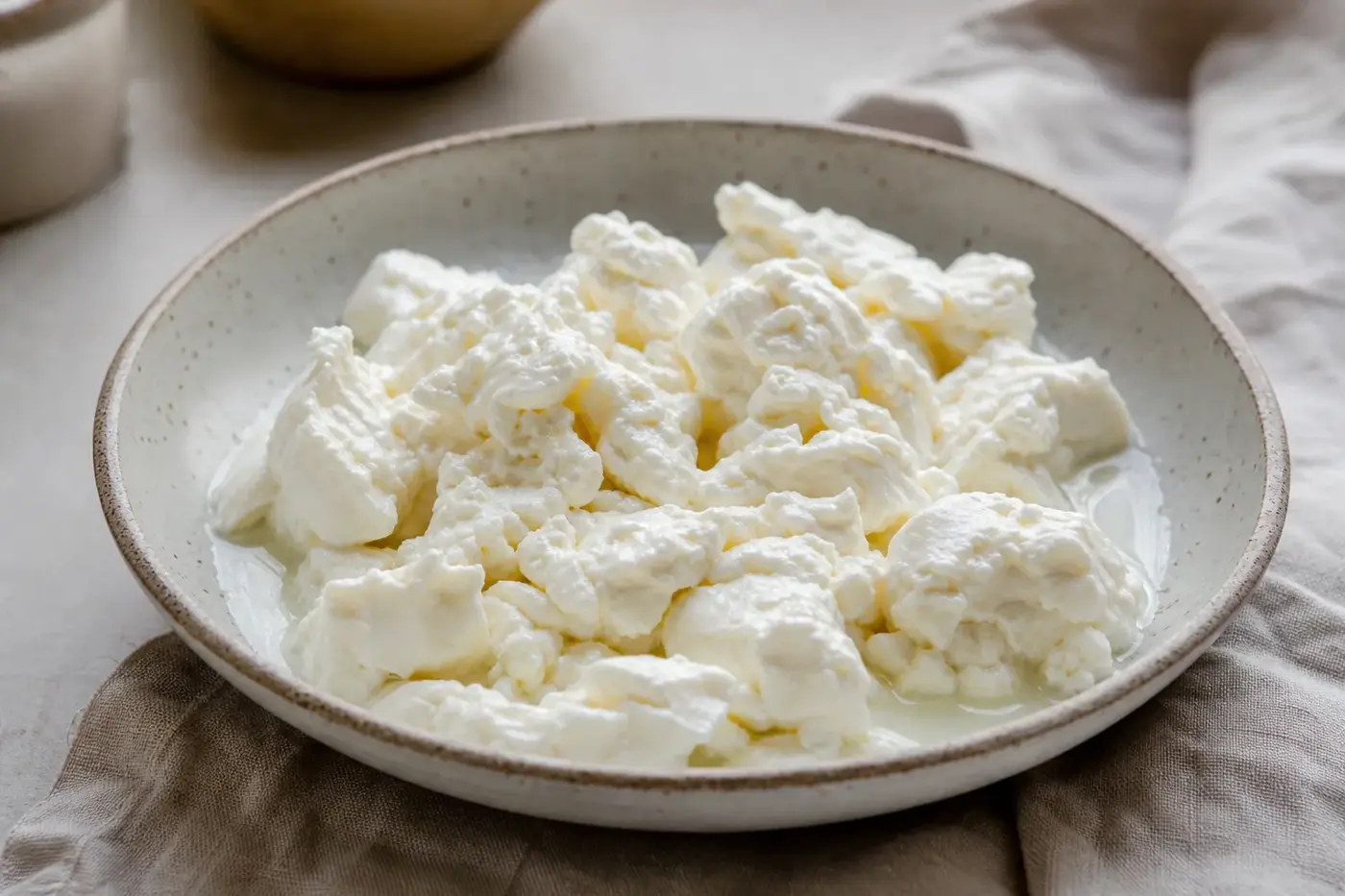
Crumbly Ethiopian ayib on your spoon. Egyptian cheese ripening in a salty pickling mixture. Algerian klila dried into hard granules. Follow those textures and you arrive at household kitchens, pastoral livelihoods, local markets and modern dairies.[1][2][5][6][8]
In Benin, a plant extract does the work of setting milk for wagashi. Across these traditions, cattle, sheep, goats and buffalo supply the milk. There is no single African cheese story, which is excellent news for your curiosity, if less convenient for anyone hoping for a tidy summary.[1][2][5][6][8]
Pull up a chair beside the cheesemaker
Start at the table, or beside the person making the cheese. Fresh curd alongside a cooked meal, cheese dried for later and a wheel matured in a controlled dairy answer different needs. Each has its own history and method, and deserves your attention on those terms.[1][5][6][8]
Your route takes in selected traditions in North, West, East and southern Africa. These are starting points, not a survey of every African cheesemaking tradition. Even within one country, a familiar name can hold surprises in milk, preparation and use, as Moroccan jben and Algerian klila show.[1][5][11]
Need a hand distinguishing fresh curd, brined cheese and matured cheese? Try how to tell cheese styles apart. Here, you will follow the connections between a cheese, its ingredients and its place at the table.
Follow the milk back to the animals
Make room for buffalo alongside cattle. Their milk is central to Egyptian domiati, either alone or mixed with cow’s milk. Cow’s milk also connects Beninese wagashi, Sudanese white cheese and South African farmstead production.[2][7][8][9]
Sheep and goats bring their own possibilities to the dairy. Research in eastern Algeria documents klila made from cow’s milk, ewe’s milk or mixtures. The FAO describes Moroccan jben made with cow’s milk, goat’s milk or both, and records cow, goat and sheep milk for Sudanese gibna bayda.[1][5][6]
Look beyond cheese and the picture widens again. Egyptian dairy research lists camel milk among the country’s milk resources, alongside buffalo, cattle, sheep and goats. That tells you about the food supply, though you need a more specific account to identify the milk in a particular cheese.[3]
Egypt: taste salty domiati and formidable mish
Domiati begins with an unexpected move: salt goes into the milk before coagulation, the stage when milk sets into curd. Research describes cow’s milk, buffalo milk or a mixture, followed by drainage. Versions intended for ripening then sit in brine or salted whey, the liquid released from the curd.[2]
Time changes both its flavour and its texture. Egyptian dairy research describes fresh domiati as soft, mild and salty; ageing brings acidity and a more brittle, slightly flaky texture. Try the fresh cheese with bread, tomatoes and cucumber, letting it supply the salt.[3]
Mish takes a more forceful turn. Karish, a fresh skimmed-milk cheese, is packed into a salted mixture containing milk or buttermilk. Seasonings and older mish help shape the ripening environment, with research recording household differences in the ingredients added.[3]
Yellowish-brown, sharp, salty and pungent: a study of Egyptian cheeses makes mish’s character quite clear. Give it a different role from fresh domiati, rather than treating the two as interchangeable portions of white cheese. Drawing on that published description, try a small amount with bread or cooked beans.[4]
Morocco: get to know jben’s fresh faces
Ask for jben, also written djben in some accounts, and you still have a little discovering to do. The FAO describes a Moroccan fresh cheese made from cow’s milk, goat’s milk or both. Cultures and rennet come before drainage and salting, producing a soft, homogeneous cheese with a fresh, mild taste.[1]
A Moroccan contribution to a National Research Council volume describes another northern Moroccan practice. Milk sours, the curd drains and salt goes in. Put the accounts together and jben’s range emerges: milk treatment, acidification, coagulant and salting can all vary.[11]
Keep your first plate simple: bread, a spoonful of jben and something that suits its salt level. Olive oil and herbs take you in a savoury direction; fruit offers another. Ask the seller whether that particular cheese is unsalted or salted before choosing its companions.
Algeria: follow klila from soft curd to hard granules
Fresh curd or extra-hard granules? Klila can be either, giving you a striking example of preservation changing a cheese’s form. A field study in eastern Algeria surveyed 200 people and analysed eight samples, documenting fresh and dried klila, its production and its consumption in rural and urban settings.[5]
Its journey begins with soured milk. Churning removes butter and leaves lben, the remaining liquid; heating that lben separates curd, which is then drained. Drying creates the harder form, and the study recorded cow’s milk, ewe’s milk and mixtures.[5]
Before buying klila, find out which form you are getting. Fresh curd and thoroughly dried granules have different textures and different jobs in your kitchen. Ask how the maker intends you to use it, particularly whether dried pieces should soften during cooking, and begin with the product’s own instructions.
Ethiopia: find ayib’s place at the table
Butter production need not finish the milk’s story. The FAO describes ayib made by heating sour milk or buttermilk until curd separates from whey, then draining it into a crumbly cheese. With the buttermilk method, cheesemaking becomes another stage in a household’s use of the same milk supply.[6]
Look at what sits beside ayib and its role becomes clearer. The FAO records it with injera, the fermented flatbread, and doro wat, a chicken sauce, as well as greens, butter and chilli. You are meeting cheese within a composed meal, not necessarily as a separate course.[6]
For an accessible serving idea, put ayib beside injera and a thoroughly cooked vegetable or pulse dish. Keep the curds separate so you can assemble each mouthful at the table. This adapts its documented role as an accompaniment without claiming a single Ethiopian way to serve it.
Sudan: let three questions introduce gibna bayda
Gibna bayda, Sudanese white cheese, appears among the FAO’s pickled cheeses. Its account records cow, goat or sheep milk, including mixtures, and links cheesemaking with surplus milk from pastoral production. Read this as a historical picture of that relationship, not a census of current production.[6]
More recent primary research followed gibna bayda made from raw cow’s milk in two areas of North Kordofan. Researchers sampled milk, curd before and after pressing, and cheese delivered to market. That particular production setting gives you good reason to ask about the milk treatment of the cheese in front of you.[7]
If white brined cheeses are familiar territory, start with three questions: which milk, how firm and how salty? Then ask whether this cheese is intended for direct eating or cooking. Try it simply with bread and fresh vegetables, tasting before you add any salt.
Benin: discover wagashi and its Fulani roots
For Wagashi Gassirè, the ingredient that sets the milk comes from a plant. Research in Dassa and Nikki, Benin, documented cow’s milk coagulated with extracts of Calotropis procera. Wagashi is strongly associated with Fulani cheesemaking, described as Peulh in the Beninese research.[8]
That plant coagulant does the milk-setting work performed by animal or microbial coagulants in other cheeses. The study surveyed farmers, processors, traders and consumers, and identified several processing methods. Participants valued whiteness, softness, smoothness and firmness.[8]
Follow the recorded handling practices and you encounter boiling, drying, colouring, smoking and frying. Wagashi travels through local food networks in varied forms, carrying Fulani knowledge into a wider chain of producers, traders and eaters. Before serving it, ask what preparation it has already undergone and how it is customarily cooked.[8]
Curious about what makes those ingredients set the milk? Explore rennet and other coagulants.
South Africa: give artisan wheels their moment
A style name gets you only so far. Milk source, rind and maturation tell you more, and South African cheesemaking includes farmstead and artisan production alongside familiar European-influenced formats. The SA Cheese industry directory lists a range of cheesemakers; their own accounts supply the distinguishing detail.[9][10]
Take Dalewood’s Huguenot. The producer describes a semi-hard, brushed-rind cheese made with pasteurised Jersey cow’s milk, non-animal rennet and selected cultures. It matures for at least six months, and the maker’s published tasting description includes nutty overtones.[9]
That extended maturation and rind care offer you a different point of comparison from fresh ayib or dried klila. Huguenot is a named South African product with its own declared ingredients and method. Give it room on a board with plain bread and fruit; stronger accompaniments need not chair every meeting.
Fresh, pickled or dried: let the method guide you
These categories help you find your bearings, but a cheese need not remain in just one. Fermented milk can become fresh drained curd and then dried cheese. Milk salted before setting can produce cheese later ripened in liquid, so the comparison below describes documented preparations while leaving room for variation within each name.[1][2][5][6]
| Approach | Cheeses to look for here | What shapes the cheese |
|---|---|---|
| Fresh and drained | Jben; ayib | Curds are drained and eaten without extended maturation.[1][6] |
| Salted and pickled | Ripened domiati; gibna bayda | Documented ripened preparations use salt and liquid storage.[2][6] |
| Strongly ripened | Mish | Fresh cheese ferments further in a salted mixture.[4] |
| Dried | Dried klila | Drying turns drained curd into hard granules.[5] |
| Rind-matured | Huguenot | The producer specifies brushing and extended maturation.[9] |
Climate enters the story through practical decisions: how do you handle milk, and how do you keep the food it becomes? In the Algerian field study, seasonal milk abundance and limited preservation options help explain processing and drying. Egyptian research documents another approach, built around salting and pickling.[2][5]
Each method belongs to a particular food system. Drying changes how curd can be kept and used; pickling offers another route, while fresh cheese suits a different rhythm of preparation and eating. Keep those differences in mind in your kitchen: one cheese cannot automatically stand in for another.[1][5][6]
Follow household skills out to market
The finished cheese is only part of what you are seeing. Ayib can follow butter production, klila can use the liquid left after churning, and wagashi connects cattle keeping with processing and trade. Follow the whole sequence and cheesemaking takes its place within everyday work.[5][6][8]
Those household skills reach urban markets too. The Algerian survey found klila in towns as well as rural settings, while the Beninese research followed distinct groups of producers, traders and consumers. These relationships keep traditions in practice, with variation visible throughout the research.[5][8]
Migration has a place in this story as well. The FAO attributes the introduction of the white-cheese tradition that became Sudanese gibna bayda to early Greek immigrants. Its historical account emphasises adaptation to local milk supplies and pastoral production, without establishing a precise founding date.[6]
Looking for African cheeses in Britain? Start talking
Take a cheese name to a specialist food shop, community grocer or cheesemonger. Ask whether they can identify a supplier or producer, and try spelling variants where the literature offers them. Before ordering an unfamiliar product, request a photograph of its actual label.
A promising name opens the conversation, but it cannot answer everything. These four questions help you choose:
- Where was it made? Look for the country of manufacture, not just the seller’s or distributor’s address.
- Which milk is in it? Ask for the species and whether the milk was pasteurised.
- What form are you buying? Find out whether it is fresh, brined, dried or matured.
- How do you look after it? Read storage instructions, date marking and directions after opening.[12]
A restaurant serving ayib or another unfamiliar cheese can offer you an introduction. Ask how it fits into the meal before hunting for a retail version. For packaged products, how to read a cheese label explains distinctions that a cheese’s name cannot settle.
This page summarises published guidance from the official sources it cites. It is not medical advice. Guidance differs between countries and changes over time, so check the current source for where you live, and ask your doctor, midwife, pharmacist or dietitian about your own circumstances.
Bring your cheese home safely: official UK guidance
Set your fridge at 5 °C or below. The Food Standards Agency’s November 2026 home-storage advice for England, Wales and Northern Ireland also says to follow food-label storage instructions and return chilled foods to the fridge promptly. Read the directions for your particular cheese, including those for after opening.[12]
For pregnancy in the UK, NHS guidance as of November 2026 distinguishes cheese categories and milk treatments. It permits hard cheeses made from pasteurised or unpasteurised milk. It advises against uncooked soft cheeses made from unpasteurised milk, soft cheeses with a white coating on the outside, and soft blue cheeses; these can be eaten if cooked until steaming hot.[13]
When a cheese is unfamiliar, compare its milk treatment and category with current NHS guidance rather than relying on its name. Read the official source for the full advice. Ask your midwife or doctor about your own circumstances.[13]
For everyday handling, turn to how to store cheese at home. To understand the milk-treatment distinctions, explore raw milk, thermised and pasteurised cheese.
Questions people ask
What is wagashi made from?
Research in Dassa and Nikki, Benin, documented wagashi made from cow’s milk set with an extract of Calotropis procera. Recorded handling practices included boiling, drying, colouring, smoking and frying.
What does Egyptian domiati taste like?
Fresh domiati is described as soft, mild and salty. As it ages, it develops acidity and becomes more brittle and slightly flaky.
How is Algerian klila made?
Soured milk is churned to remove butter, leaving a liquid called lben. The lben is heated to separate curd, which is drained and can then be dried into hard granules.
How is Ethiopian ayib eaten?
The FAO records ayib eaten with injera, a fermented flatbread, and doro wat, a chicken sauce. It also records combinations with greens, butter and chilli.
What kind of cheese is Moroccan jben?
Jben is a fresh cheese with more than one preparation method. The FAO describes a soft, mild version made from cow’s milk, goat’s milk or both, while another account describes a northern Moroccan practice in which milk sours before the curd is drained and salted.
Sources
- Food and Agriculture Organization of the United Nations. The technology of traditional milk products in developing countries, Animal Production and Health Paper 85, 1990. Product catalogue, including domiati and Moroccan jben. Verified source.
- Alexandria University, INRA and collaborating researchers. “Biodiversity of Bacterial Ecosystems in Traditional Egyptian Domiati Cheese”, Applied and Environmental Microbiology, volume 73, 2007. Full text.
- Alexandria University, Department of Dairy Science and Technology. “Origin, History and Manufacturing Process of Egyptian Dairy Products: An Overview”, Alexandria Journal of Food Science and Technology, volume 5, issue 1, 2008. Published paper.
- African Journal of Food Science. “Microbial safety and biodiversity of bacterial communities in traditional Egyptian cheese types”, original research article, 2022. Full text.
- Université 8 Mai 1945 Guelma. “Contribution à la caractérisation du klila, un fromage traditionnel de l’est de l’Algérie”, Livestock Research for Rural Development, volume 27, issue 5, 2015. Full text.
- Food and Agriculture Organization of the United Nations. The technology of traditional milk products in developing countries, Animal Production and Health Paper 85, 1990. Part A, section 7, “Cheese and cheese products”, Sudan and Ethiopia accounts. Verified source.
- University of Khartoum and North Kordofan agricultural researchers. “Microbiological Characteristics of White Cheese (Gibna bayda) Manufactured under Traditional Conditions”, Journal of Advances in Microbiology, volume 2, issue 3, 2017. Article and abstract.
- University of Abomey-Calavi and collaborating universities. “Processing and preservation methods of Wagashi Gassirè, a traditional cheese produced in Benin”, original survey and production-monitoring study, 2022. Full text.
- Dalewood Fromage. “Huguenot®”, undated producer product description, retrieved November 2026. Commercial primary source for its own product and tasting description. Product page.
- SA Cheese. “SA Cheese Industry”, undated industry directory, retrieved November 2026. Directory.
- National Research Council. “Moroccan Traditional Fermented Dairy Products”, in Applications of Biotechnology to Traditional Fermented Foods, 1992. Retrieved volume.
- Food Standards Agency. “How to chill, freeze and defrost food safely”, official consumer guidance, current retrieved edition, November 2026. Applies to England, Wales and Northern Ireland. Guidance.
- NHS. “Foods to avoid in pregnancy”, current retrieved edition, November 2026. Official guidance.
Researched through published regional accounts, primary food studies, producer documentation and official UK guidance; serving suggestions are editorial, without a site tasting or recipe test.
Last checked: November 2026
Last checked November 2026.
The editors suggest you read next
French Cheese: The Complete Guide
Picture Normandy’s pastures, then follow the milk towards the Loire’s goat dairies, the Jura’s shared cheesemaking traditions and the sheep country of the Pyrenees.