Cheese Routes of the Alps
In Beaufort country, the cattle climb with the growing grass.
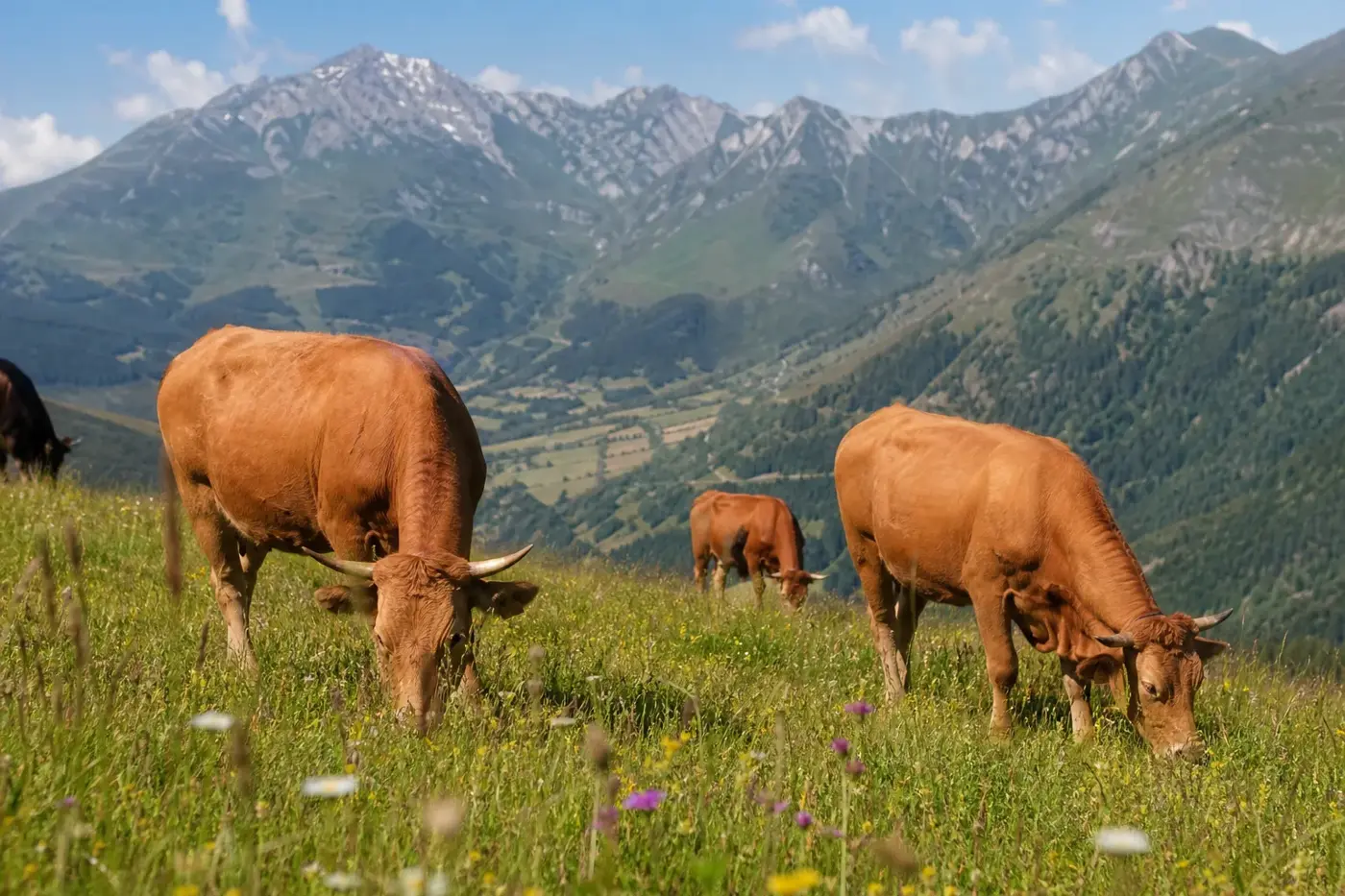
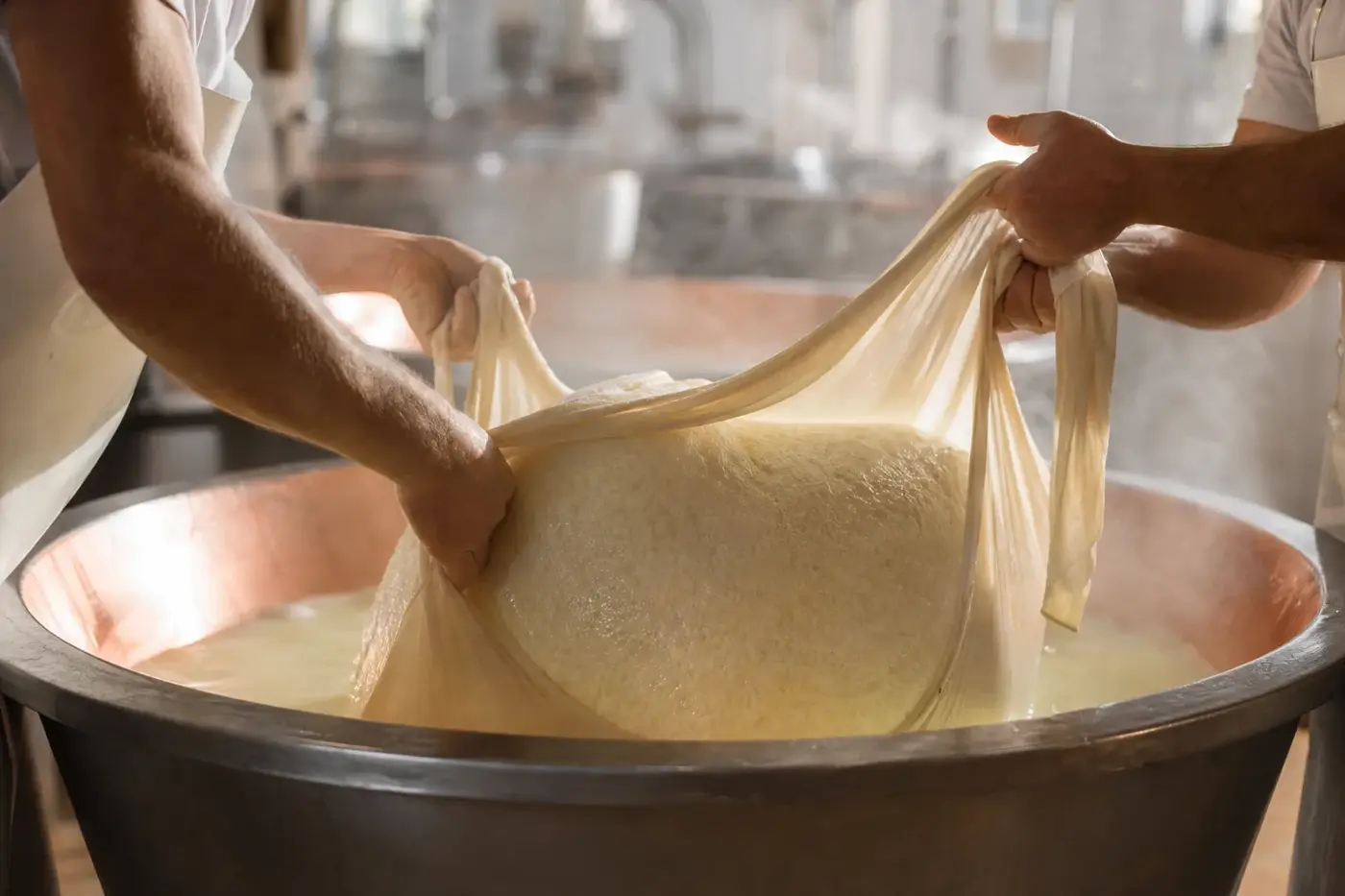
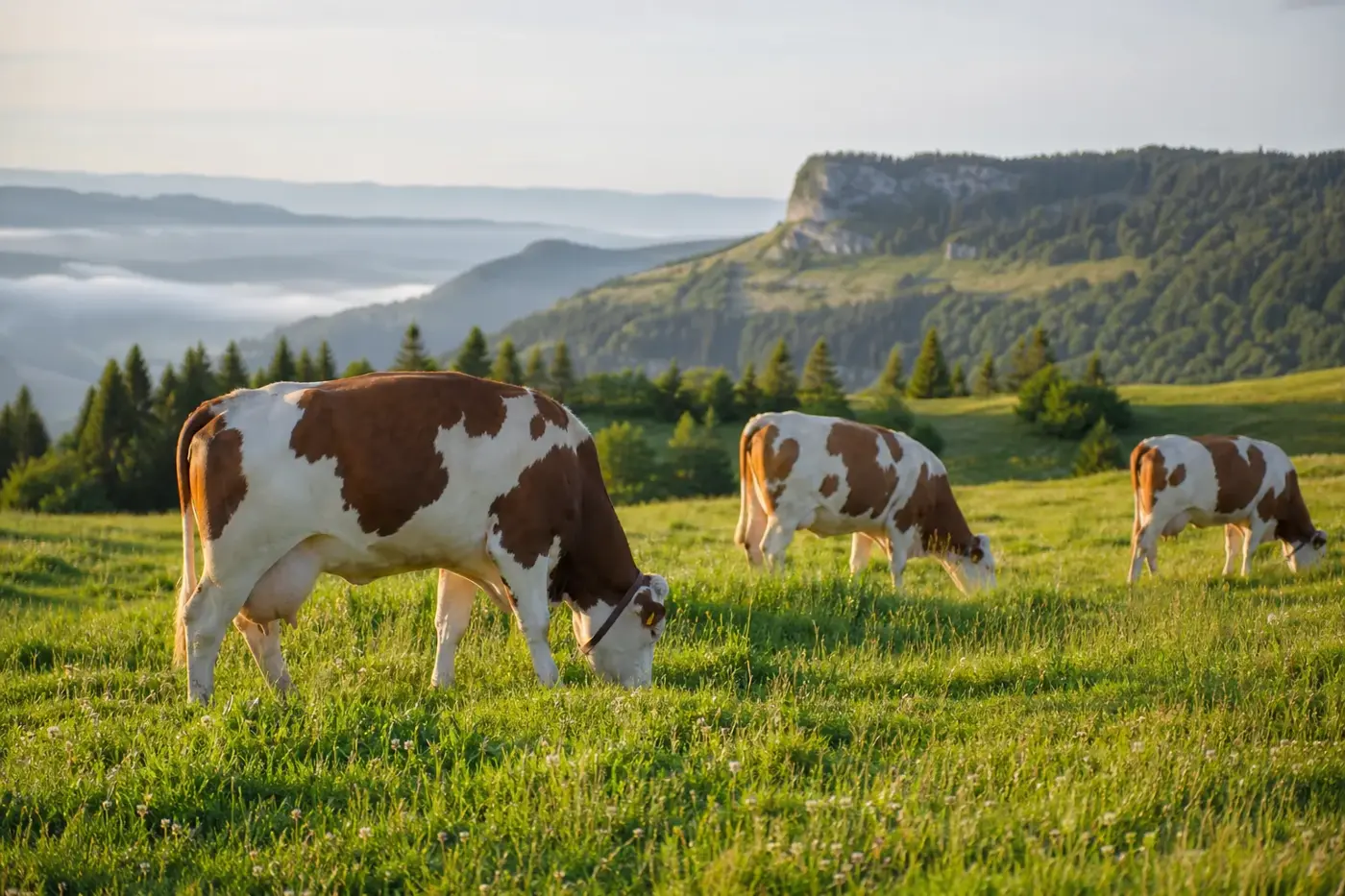
In Beaufort country, the cattle climb with the growing grass. First the valley floor, then the slopes, then summer pasture. Behind them, grazing land becomes hay meadow; their milk becomes cheese, some on the mountain, much in valley dairies. Follow that quiet procession and your Alpine cheese journey has begun. [4]
Austria’s Bregenzerwald, France’s Beaufort country, Switzerland’s Valais and Italy’s Valle d’Aosta each open a different door into this world. You can connect dairies with the high pastures that supply them, leaving time to taste along the way. Settle into one region or join them into a longer trip. [1, 4, 6, 8]
Follow the grass, find the cheese
Follow the animals and the landscape starts to explain itself. Beaufort’s specification describes grazing moving between valley floor, slopes and summer pasture, freeing land for haymaking as the cattle leave. Some milk becomes cheese on the mountain; much heads downhill to valley dairies. [4]
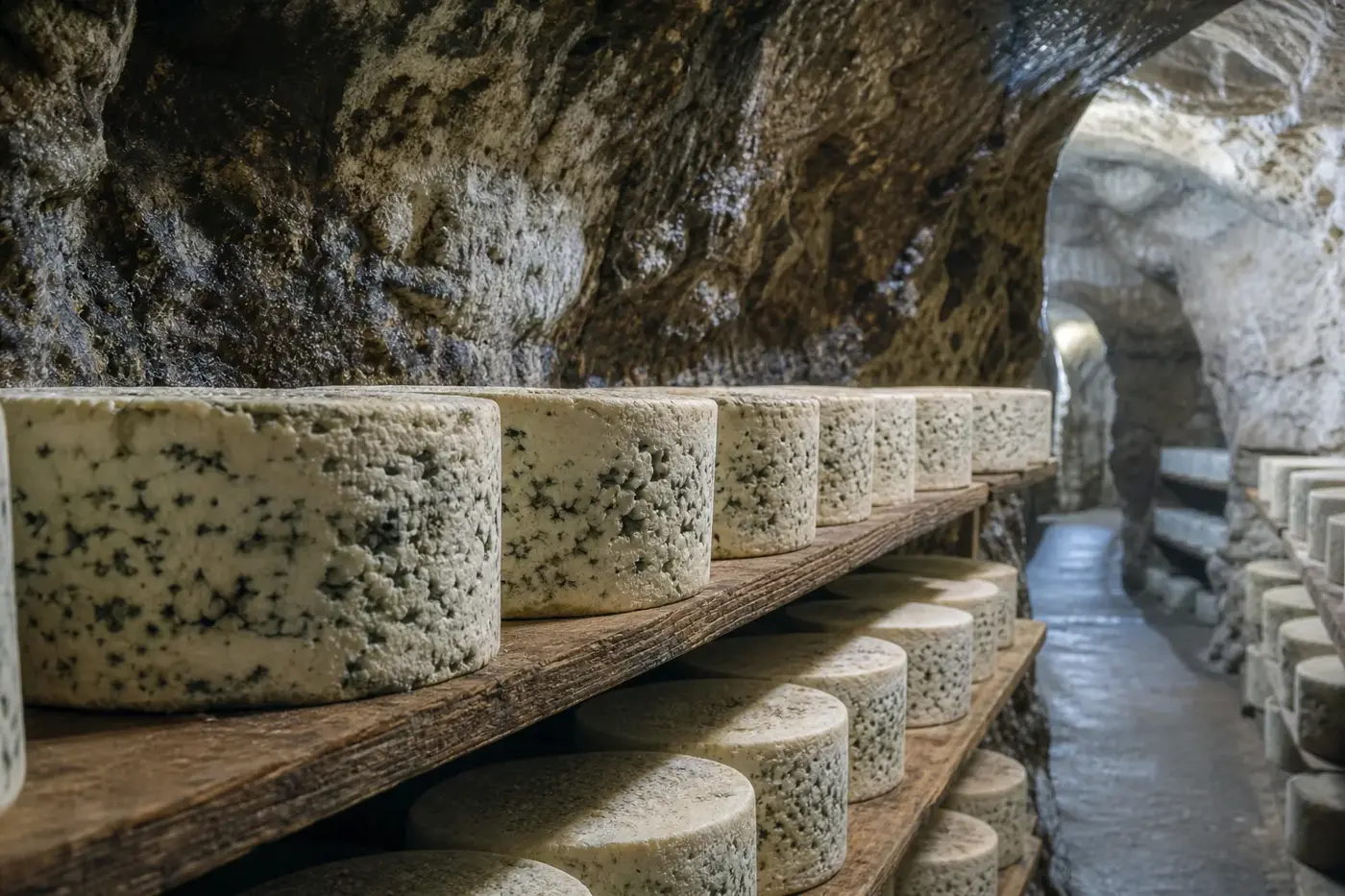
Build your route around those connections. Meet a cheesemaker, see the grazing country where access permits, then visit a shop or maturing cellar. Affinage, the care of cheese during maturation, deserves as much attention as the vat. Ask where your cheese was made and where it matured: the answers may lead to different stops in the same regional story. [4, 8]
Bregenzerwald: meet the makers, including the robot
A cheese care robot might not feature in your Alpine daydreams. Yet it is among the possible sights in Bezau on Austria’s KäseStrasse Bregenzerwald, whose official member directory connects dairies, farms, Alpine producers and places to eat across Vorarlberg. Listings include Alpenkäse Bregenzerwald Sennerei Bezau, farm businesses and restaurants such as Hotel Gasthof Hirschen in Schwarzenberg. Choose contrasting stops; your notebook need not become a cheese census. [1]
Start in Lingenau for an introduction to maturation. The route organisation describes a viewing window into its cheese cellar and bookable tastings, giving you useful grounding before visiting smaller producers. Confirm the format, language and accessibility directly, particularly if you need a seated visit or step-free access. [2]
For a compact trip, follow this with a dairy visit in Bezau and a meal chosen from the member directory. Ask how the dairy’s cheeses differ and where each was produced. Keep a separate slot for a pasture outing, agreed with its host, so you can move the mountain visit if conditions change. [1, 2]
At Bezau, the directory describes a view into the maturing cellar and the possibility of watching that robot work. Which tasks are mechanised, and which decisions belong to the cheesemaker? Take those questions to a smaller farm, too, and ask how cheese care fits into its day. Your visits now have a conversation running between them. [1]
Beaufort country: let the milk show you the way
Beaufort country stretches through the Beaufortain, Tarentaise, Maurienne and part of the Val d’Arly in the French Alps. Its EU protected designation requires raw, whole cow’s milk from Tarine and Abondance cattle, the two permitted breeds. For a first visit, focus on the Beaufortain. Use the official producer directory to explore the Coopérative laitière du Beaufortain and a summer pasture visit. [3, 4, 5]
Two label distinctions help you read the landscape. Beaufort qualified as été is produced from June to October inclusive. Chalet d’alpage sets tighter conditions: production during that period, twice daily by traditional methods above 1,500 metres, using milk from a single herd. Summer cheese is not solely a mountain story; the valley dairy belongs in it too. [3, 4]
The producer directory separates shops, opportunities to watch production and summer Alpine visits. Think about what you want to see: a working vat, a cellar view and a cheese counter each reveal something different. If you have longer, add Tarentaise or Maurienne before heading across another border. [5]
A wheel keeps its own calendar, regardless of your holiday dates. Beaufort must mature for at least five months, so your visit date and the season of production are separate facts. Before comparing cheeses sold as summer production, ask to see their production dates. Note their ages beside your tasting impressions. [4]
Valais: meet the pasture behind your raclette
Your raclette can lead you back to a particular dairy or pasture. Raclette du Valais’s Swiss AOP specification places milk production, cheesemaking and maturation in Valais, with a stated exception for the Spittelmatten pasture in Kandersteg, canton Bern. It requires raw cow’s milk and recognises both village and Alpine dairies. [6]
Begin by asking local tourism offices about Bagnes and Anniviers: both names appear in the specification’s dairy listings. Request a visitor experience connecting a named cheese with its producer, then arrange a raclette meal with a host who can explain what you are eating. For local dining, the regional tourism authority’s Saveurs du Valais restaurant directory is another starting point. [6, 7]
If your host offers the option, taste an unheated piece beside the melted cheese. The specification describes a smooth, supple paste, fresh lactic and floral aromas, and vegetal and fruity notes. Treat those words as prompts, not instructions for your taste buds. Write down what you notice in that particular dairy’s cheese. [6]
The name on the wheel could choose your next stop. Dairy and pasture names listed in the specification connect your tasting to a particular valley. Ask your host to explain that connection, then plan another visit around the answer. A named producer gives you a clearer trail than a broad regional description. [6]
Valle d’Aosta: follow Fontina behind the cellar door
Fontina brings mountain farming and the patient work of maturation into one story. Its Italian PDO specification places production and maturation throughout Valle d’Aosta and requires whole cow’s milk. The consortium describes summer alpeggio production from June to September, when herds graze mountain pastures. Alpeggio means the seasonal mountain grazing operation: animals, pasture and working buildings belong to one system. [8, 9]
Consider Aosta as your base, then investigate the cooperative’s visitor centre at Valpelline for the cellar chapter. The cooperative describes museum displays followed by a warehouse visit explaining the individual care of the cheeses. Ask directly about current tour arrangements, including whether the route through the building meets your access needs. [10]
Fontina’s specification allows maturation in controlled warehouses or traditional caves, under defined temperature and humidity conditions. Ask your guide how the cheeses are turned, how their rinds are cared for and why this particular room was chosen. Pair the visit with a separately arranged pasture outing. You will see both kinds of work that bring a wheel to your table. [8, 10]
Give each region time to speak
For a short break, choose one region and build around one confirmed visit. Add a contrasting stop, perhaps a cellar after a dairy, and a meal featuring local cheese. Leave room for walking, a market your host recommends or a second tasting. Good conversations rarely consult the itinerary.
For a longer journey, sketch out regional chapters before booking appointments. A western combination might connect Beaufort country, Valais and Valle d’Aosta; Bregenzerwald can become a separate eastern chapter. Test that geography against your transport, seasonal access and available time. Choose the experiences first and the crossing afterwards, rather than handing every decision to a scenic road.
Keep transfers and producer visits in separate planning blocks. Before adding another border, ask what it brings: a different grazing system, a new maturation practice or a meal you particularly want to understand. If the answer is simply another cheese name, spend longer with the people already on your route.
Pick your season by what you want to see
Summer is your strongest starting point for grazing and mountain cheesemaking. Fontina’s consortium describes a pasture season from June to September; Beaufort’s summer qualifiers cover June to October. Use those periods to begin planning, then confirm the actual working dates of your chosen pasture with its host. [3, 9]
For autumn, ask the local tourism office about herds returning from the mountains and any publicly organised celebrations. Get the current programme, spectator arrangements and access instructions before making an event the centre of your trip. Watching a working herd movement needs different planning from attending an organised visitor celebration.
Winter draws your attention towards valley dairies, maturing rooms and long meals built around cheese. Beaufort’s directory distinguishes year-round visits from summer pasture experiences, while Valpelline publishes separate seasonal visitor arrangements. Check the current programme before booking accommodation around a particular visit. [5, 10]
Book your visit, then work out the last stretch
Tell the dairy what you hope to see and how you intend to arrive. Ask about booking, language, access to working areas, photography, children, dogs and accessibility. Establish whether your appointment covers production, maturation or tasting, then reconfirm close to travel. Start with the route organisation’s booking pages and the host’s own information. [2, 5, 10]
For public transport, use VMOBIL’s journey planner in Vorarlberg and SBB’s timetable for the Swiss part of your trip. Enter your actual destination and travel date, then check the walk from the final stop to your host. For French and Italian visits, ask the host or tourist office for the relevant regional operator’s link and check your journey there. [11, 12]
Driving still calls for planning the final approach. Ask which road visitors should take, where parking is permitted and whether you must walk the last section. Consult the road authority’s current notices for your crossing, including seasonal closures and weather restrictions. Save your return journey too, and keep a valley alternative for any mountain appointment you cannot reach.
Once arrangements are agreed, send a short summary: visit date, group size, meeting place, transport plan and access requirements. Save the reply offline with a local contact number. Agree what happens if weather prevents the mountain visit. Before setting out, everyone should know whether to meet in the valley, move the appointment or cancel.
Be the guest your cheesemaker welcomes
Arrange access before leaving a public path for a farm building or working pasture. Follow local signs and your host’s instructions on gates, livestock and dogs. During demonstrations, ask where to stand and keep entrances and working routes clear. Permission to enter a shop covers that shop visit; production rooms, barns and pastures need separate agreement.
At the counter, ask which cheese best expresses the producer’s work and whether you can taste contrasting ages. Buy an amount you can transport properly, keep its label and ask how to serve it. In restaurants, find out which dairy supplied the cheese and try a local preparation alongside a simple piece. Specific, interested questions open better conversations than asking which region makes the best cheese.
Bring a good question to the tasting
Give your comparison a clear question. Try two ages from one dairy, cheeses of similar age from two producers, or a summer-labelled cheese beside another clearly identified production. Change one feature where possible and record the others. For background on texture and method, read how to tell cheese styles apart.
Keep a brief entry for each cheese: maker, production place, stated age and any seasonal designation. Notice how the paste behaves and what you smell before tasting. Then follow the acidity, salt and aroma as you chew. Describe the cheese in front of you, rather than borrowing your notes from the previous stop.
Beaufort’s specification describes a supple paste ranging from ivory to pale yellow; Raclette du Valais has its lactic, floral, vegetal and fruity vocabulary. Individual wheels bring differences worth discussing with your host, so set those descriptions beside your own impressions. To understand the label distinctions behind your notes, turn to protected names explained. [4, 6]
Plan a careful journey home for your cheese
Before buying, establish whether you can maintain the storage conditions on the cheese’s label throughout your journey. Ask the seller to identify each portion and supply its label. Consult current official guidance on transporting chilled food in every country you visit.
For England, Wales and Northern Ireland, the Food Standards Agency advises a fridge temperature between 0 and 5 °C. Check the fridge at your accommodation rather than assuming it meets that range, and follow the cheese’s storage label. Elsewhere, consult local official advice. The guide to storing cheese at home covers the next stage of your journey. [13]
For personal consumption, the European Commission’s traveller guidance permits carrying dairy products within the EU and addresses arrivals from Switzerland. For entry into Switzerland, consult the Swiss Federal Food Safety and Veterinary Office’s current traveller guidance. Before each journey, check the rules for the origin, destination and transit countries, including temporary restrictions. [14, 15]
Neither packaging nor a protected designation replaces that check. Traveller guidance: November 2026. [14, 15]
Still curious? Let the Jura be your next chapter
For detailed visitor etiquette, consult the Cheese Travel hub’s dairy and cave visiting guide as you plan appointments. The Comté route in the Jura, outside the Alps, offers a nearby extension. Begin with Comté to understand the cheese before arranging that separate journey. Take the same curiosity with you: connect production, maturation and the people who explain them.
General information only, not medical advice: follow the official guidance where you live.
Questions people ask
When is the best time to see Alpine grazing and cheesemaking?
Summer is the strongest starting point. Fontina’s pasture season runs from June to September, while Beaufort’s summer qualifiers cover June to October; confirm working dates with your chosen pasture’s host.
What is the difference between Beaufort été and chalet d’alpage?
Beaufort été is produced from June to October inclusive. Chalet d’alpage is produced during that period under tighter conditions, including production twice daily above 1,500 metres with milk from a single herd.
Can I visit a cheese cellar in Bregenzerwald?
In Lingenau, the route organisation describes a viewing window into its cheese cellar and bookable tastings. At Bezau, the directory describes a view into the maturing cellar and the possibility of watching a care robot.
Where can I learn about Fontina maturation?
Investigate the cooperative’s visitor centre at Valpelline. The cooperative describes museum displays followed by a warehouse visit explaining the individual care of the cheeses.
Can I bring cheese home from an Alpine trip?
The European Commission’s traveller guidance permits carrying dairy products within the EU for personal consumption and addresses arrivals from Switzerland. Before travelling, check current official rules for your origin, destination and transit countries, and establish whether you can maintain the storage conditions on the cheese’s label.
Sources
- KäseStrasse Bregenzerwald, Unsere Mitglieder und Partner, live member directory, undated, accessed November 2026. Entries for dairies, Alpine producers, farm businesses and hospitality members. Official directory.
- KäseStrasse Bregenzerwald, Erleben und Entdecken, live visitor information, undated, accessed November 2026. Cellar viewing and tasting arrangements. Official visitor information.
- Institut national de l’origine et de la qualité, Beaufort, live designation record, accessed November 2026. Product summary, seasonal qualifiers and links to specifications and regulatory texts. Official product record.
- French Ministry of Agriculture and INAO, Cahier des charges de l’appellation d’origine « Beaufort », approved 20 March 2025, published in the ministry bulletin of 10 April 2025. Sections 2, 3, 5.1, 5.4.6 and 6. Official specification.
- Syndicat de Défense du Beaufort, Où nous trouver ?, live producer and visitor directory, undated, accessed November 2026. An industry organisation’s directory of shops, production visits and summer pasture experiences. Official directory.
- Swiss Federal Office for Agriculture, Cahier des charges: Raclette du Valais, incorporating amendments through 13 December 2023. Articles 1, 2, 5, 7, 8 and 11. Official specification.
- Valais/Wallis Promotion, Restaurants Saveurs du Valais, live regional tourism directory, undated, accessed November 2026. Official restaurant directory.
- Italian Ministry of Agriculture, Food Sovereignty and Forestry, Disciplinare di produzione «Fontina», April 2026 version. Articles 1, 2 and 7. Official specification.
- Consorzio Produttori e Tutela della DOP Fontina, Fontina DOP, live product information, undated, accessed November 2026. The consortium’s account of summer alpeggio production. Consortium website.
- Cooperativa Produttori Latte e Fontina, Visitors’ Centre, live visitor information, including 2026 notices, accessed November 2026. Museum, warehouse visit, reservations and seasonal arrangements. Official visitor information.
- Verkehrsverbund Vorarlberg, VMOBIL, live journey planner, accessed November 2026. Official journey planner.
- Swiss Federal Railways, Timetable and ticket purchase, live timetable portal, accessed November 2026. Official timetable.
- Food Standards Agency, How to chill, freeze and defrost food safely, published 2017, live guidance accessed November 2026. Applies to England, Northern Ireland and Wales. Official guidance.
- European Commission, Your Europe, Taking animal products, food or plants with you in the EU, live traveller guidance, accessed November 2026. Personal consumption and the countries included in this guidance. Official traveller guidance.
- Swiss Federal Food Safety and Veterinary Office, Foods brought into the country by travellers, live guidance, accessed November 2026. Official Swiss traveller guidance.
Researched through official product specifications, regional visitor directories, transport planners and government guidance, with route combinations developed as desk-researched planning suggestions.
Last checked: November 2026
Last checked November 2026.
The editors suggest you read next
Cheese Travel: Visiting Dairies and Caves
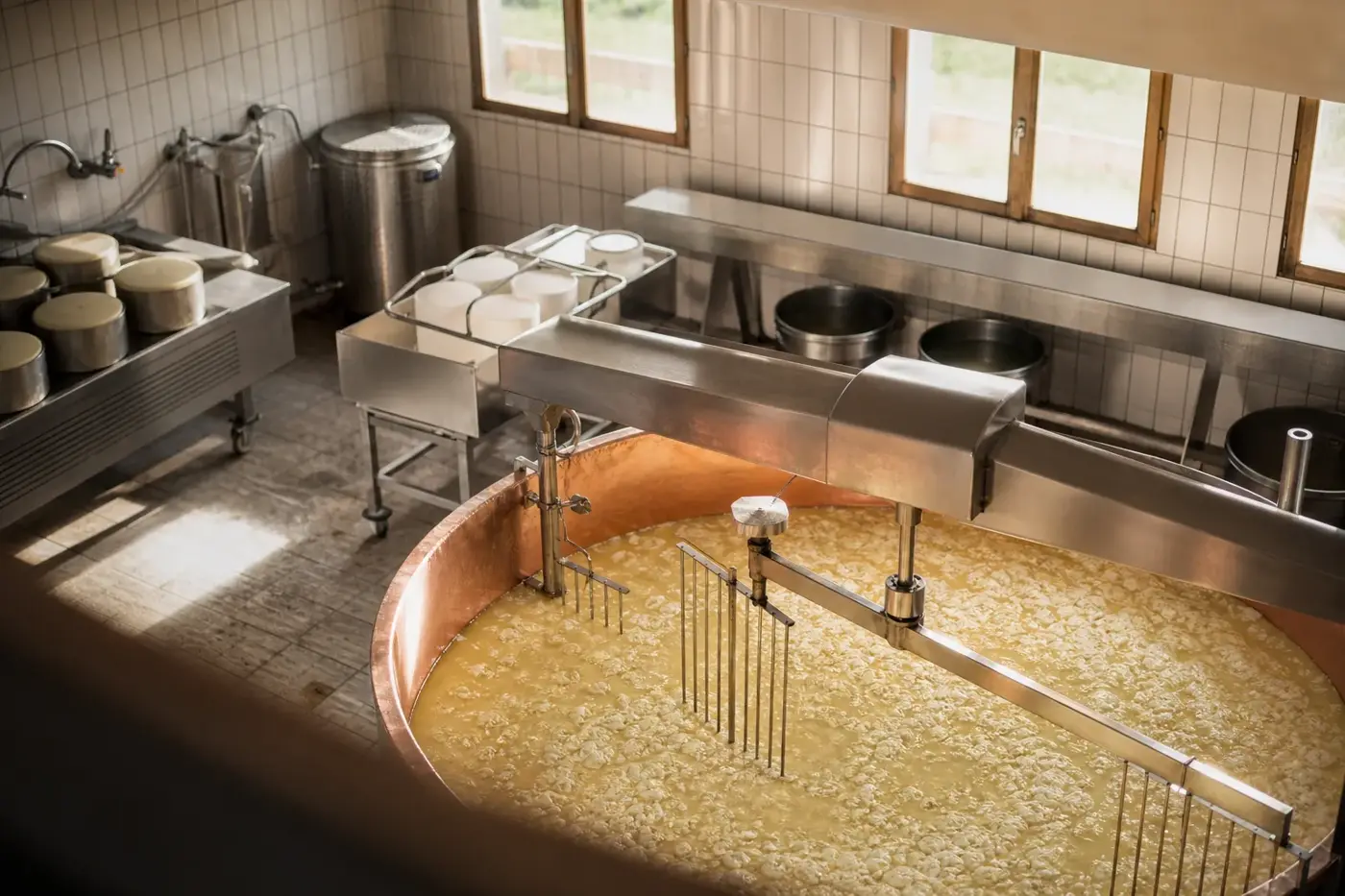
Milk moves through the vats at La Maison du Gruyère in Pringy, Switzerland.