Cow's Milk Cheese
Picture a drum of Blue Stilton, its curd settling under its own weight, without a press.
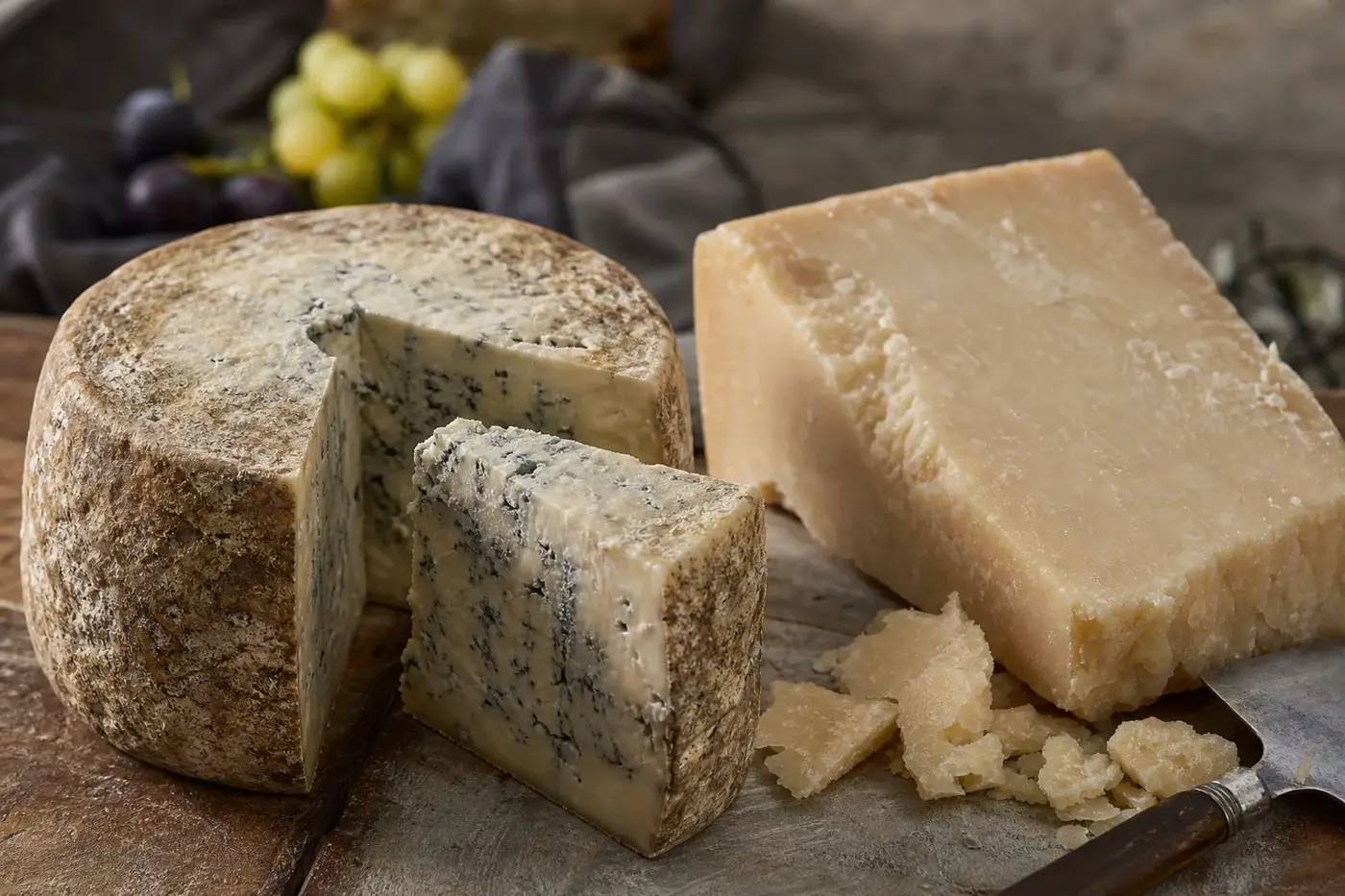
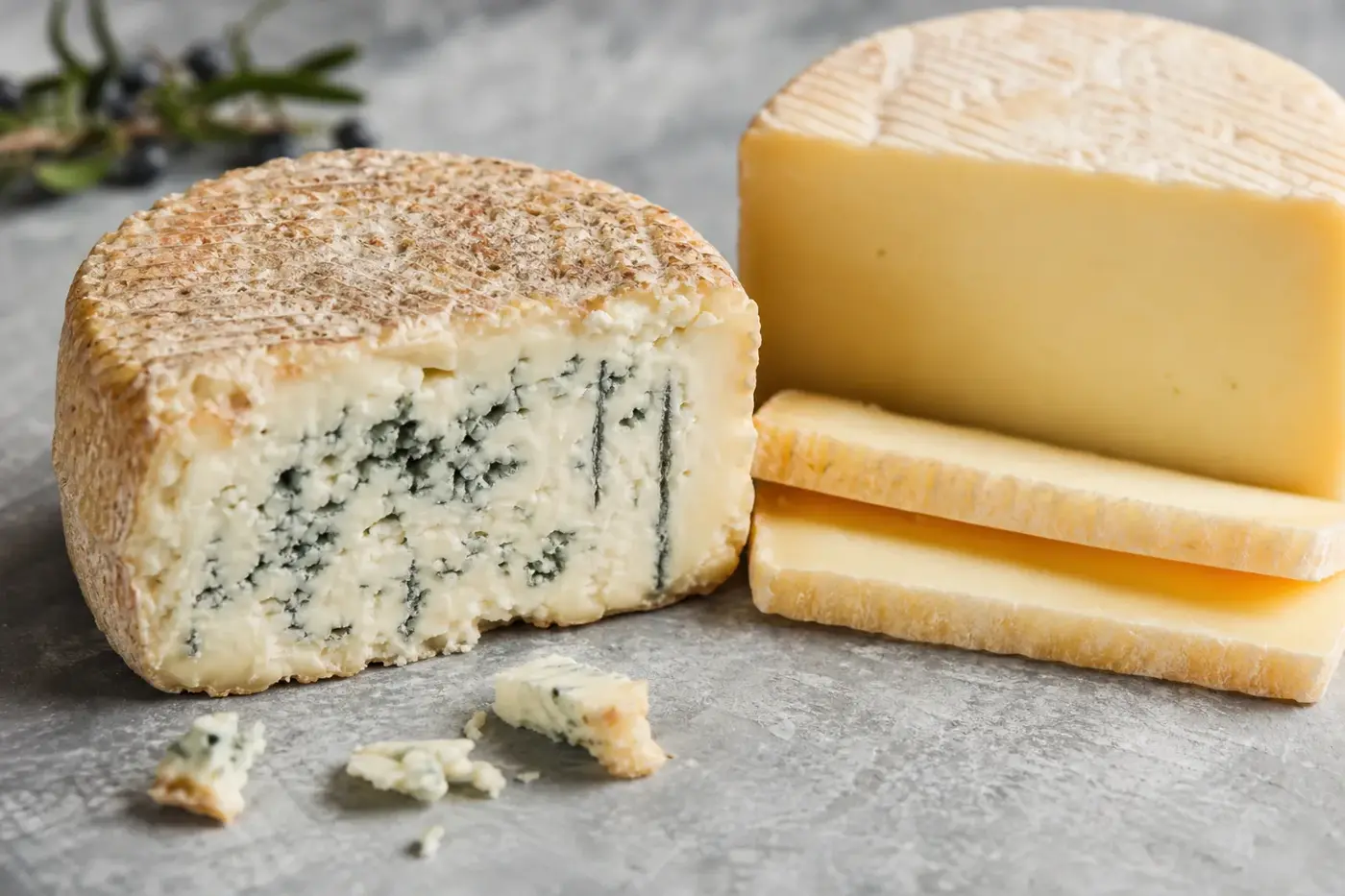
Picture a drum of Blue Stilton, its curd settling under its own weight, without a press. Elsewhere, cream rises naturally from milk destined for Parmigiano Reggiano. One cheese will develop blue veins; the other, a fine-grained paste that breaks into flakes. Your cheese board can hold both, but their stories begin on the farm and diverge in the vat and during ripening.[2,4,6]
From the pasture into the vat
Before the cheesemaker gets to work, the milk already has a story. It contains water, fat, protein, lactose and minerals, with casein playing a particularly important part in building the curd. As the Dairy Processing Handbook explains, breed, diet, health and stage of lactation influence milk composition and how that curd behaves.[2]
Season changes the available feed and where cows are in their lactation cycle. Feeding, animal health, milking hygiene and cooling all help shape the milk arriving at the dairy. A breed name or a handsome picture of pasture gives you only part of this picture.[2,3]
Then comes the maker's contribution. Adjusting fat content, choosing cultures and controlling whey drainage all leave their mark. Parmigiano Reggiano's specification, for example, requires partial skimming by allowing cream to rise naturally. That starting milk is deliberately different from milk used whole.[4]
One milk, a remarkable range of cheeses
Cultures, curd handling, salt and time take milk in different directions. Starter cultures are microorganisms that turn lactose, the milk sugar, into lactic acid. Rennet, a preparation of enzymes, helps milk set into curd: the solid portion separated from liquid whey. Cutting, heating and draining control moisture; salt adds flavour and helps control microbial activity.[1]
Ripening changes the cheese again. Enzymes break down proteins and fats, altering texture and creating flavour compounds, while surface moulds and blue moulds establish different ripening patterns. You can follow the full sequence in how cheese is made. These are the decisions behind the wedge waiting for you at the counter.[1]
Find your way through fresh, soft, blue and hard
Start with texture when you choose cheese for eating or cooking. These broad categories give you a useful route through the range, without requiring a lengthy interview with every wedge.
| Style | Familiar examples | What to look for |
|---|---|---|
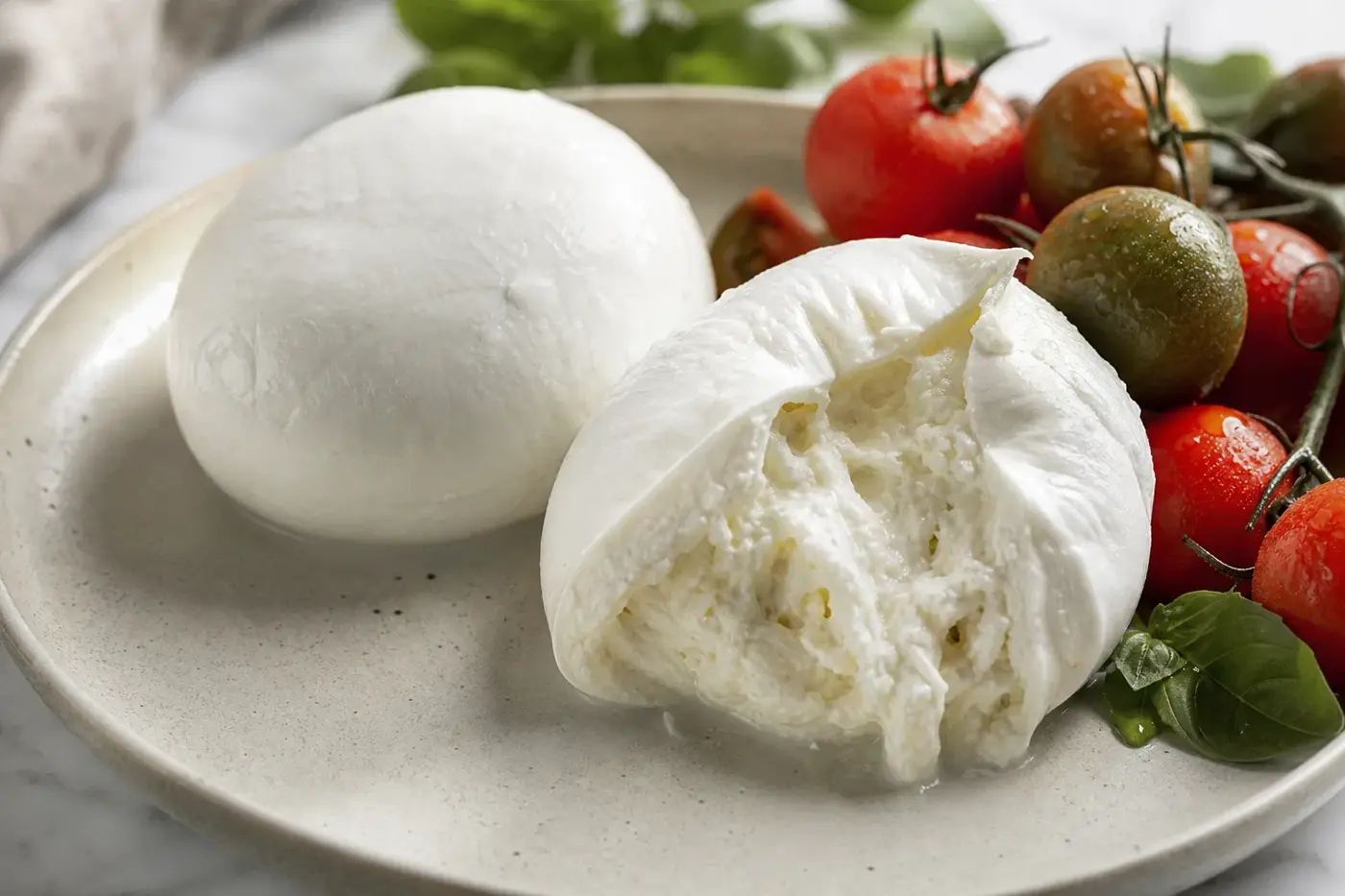
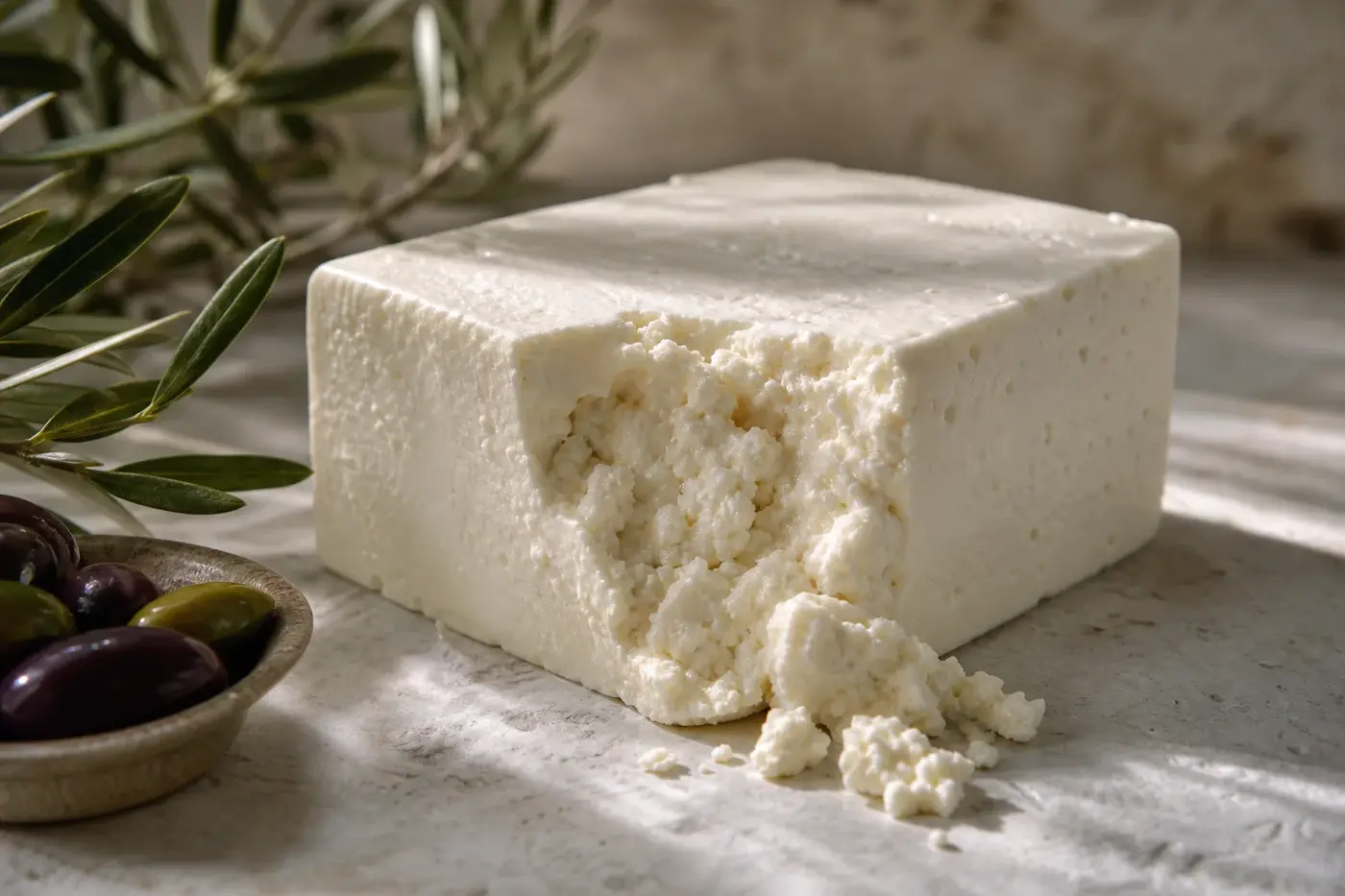
| Fresh | Cottage cheese | Unripened curds, without a matured rind.[1] |
| Soft | Brie de Meaux | A soft interior, ripened from the surface.[5] |
| Blue | Blue Stilton | Blue-green veins inside and a natural coat outside.[6] |
| Semi-hard | Gouda | Firm enough to slice, with texture changing as it matures.[1] |
| Hard | Parmigiano Reggiano | A fine-grained, flaky paste after extended maturation.[4] |
Think of this as a tasting route, not a league table. Put fresh curds beside a soft-ripened wedge, or compare a pliable slicing cheese with a hard, flaky one. Contrasting textures can tell you more about your preferences than strength or age alone. Older and stronger need not mean more enjoyable.
Four cheeses, four ways to make a character
Cheddar: the work behind the familiar wedge
Slabs of curd are stacked and turned, then milled and salted. This is cheddaring, the curd-handling process that helps give Cheddar its character; maturation changes its texture and flavour too.[1] When you choose Cheddar, read the maker's description alongside the stated age. A maturity word cannot tell you the whole story.
Blue Stilton: place, patience and blue veins
Blue Stilton begins with a particular place and method. The Great Britain register lists Stilton Blue Cheese as a registered Protected Designation of Origin, or PDO. Its specification limits manufacture to Derbyshire, Leicestershire and Nottinghamshire and requires pasteurised cow's milk. The curd settles without applied pressure, while introduced Penicillium roqueforti produces the blue veining.[6,7]
Age changes more than its strength. The specification describes younger Blue Stilton as slightly crumbly, with a slightly sharp flavour against a milky background. More mature cheese becomes softer, before longer maturation can bring a drier texture. When you choose a piece, ask about texture as well as intensity.[6]
Brie de Meaux: a scoop, a rind, a flowing centre
The pelle à brie, a flat scoop, is used to hand mould Brie de Meaux. The cited French specification describes raw cow's milk, dry salting and at least four weeks of maturation from renneting. That specification sets out the method behind this particular cheese, rather than the wider Brie family.[5]
Fully ripened Brie de Meaux is supple to slightly flowing, according to INAO. Its aromas can include cream, hazelnut and woodland notes. If you are buying for an occasion, ask for the maker's ripeness description. The longer Brie guide explores the wider style and the distinction between Brie and Brie de Meaux.[8]
Parmigiano Reggiano: the making of those flakes
Natural partial skimming and cooked curd are central to the method in the cited Parmigiano Reggiano document. It specifies raw cow's milk, natural whey starter and calf rennet. Maturation must last at least twelve months in the defined area: time is part of the method, not merely a detail on the label.[4]
Protected specifications govern particular names and production methods within their respective schemes. They explain much of these cheeses' identities, while texture, ripeness and intended use help you choose what to take home. For the wider naming framework, see protected names explained.[4,5,7]
Raw or pasteurised? Consider the whole cheese
Pasteurisation is a heat treatment used to kill harmful bacteria; raw milk has not undergone that treatment.[9] Milk treatment is one part of a cheese's character, not its complete description. Pasteurised Stilton, raw-milk Brie de Meaux and raw-milk Parmigiano Reggiano each combine their specified treatment with a distinct curd structure and ripening method.[4,5,6]
Choose for the whole cheesemaking approach, rather than treating raw or pasteurised as a quality score. Safety requires a separate decision, guided by the official advice below. During pregnancy, the NHS includes some pasteurised cheeses among those that require thorough cooking.[10]
Cow's, goat's or sheep's milk: taste like for like
Put fresh cheese beside fresh cheese, and aged cheese beside aged cheese. The animal gives you a useful first clue, but the difference between a moist young curd and a dry matured cheese can dominate the tasting. Give texture and maturity their share of your attention before drawing conclusions about the milk.
Describe acidity, salt, firmness and aroma separately. You will get a clearer comparison than by searching for one universal cow's, goat's or sheep's flavour: milk from the same animal can make contrasting styles. For dietary choices, remember that the NHS states cow's, goat's and sheep's milk all contain lactose.[11]
This page summarises published guidance from the official sources it cites. It is not medical advice. Guidance differs between countries and changes over time, so check the current source for where you live, and ask your doctor, midwife, pharmacist or dietitian about your own circumstances.
Lactose, milk allergy and vegetarian rennet: know the difference
Lactose intolerance, milk allergy and vegetarian suitability answer different questions. The NHS describes lactose intolerance as difficulty digesting milk sugar; food allergy involves the immune system. Before removing dairy foods from your own or your child's diet, it advises speaking to a GP or dietitian.[9,11,12]
The cheesemaking process matters to lactose content. The Parmigiano Reggiano Consortium reports that fermentation converts lactose into lactic acid early in its cheesemaking.[15] For other cheeses, read product information and follow personal dietary advice. Do not assume that every hard cheese is lactose-free.
Lactose free dairy is unsuitable for milk allergy because removing milk sugar does not remove milk proteins. Cheese made from goat's, sheep's or buffalo milk is not a safe substitute for someone with cow's milk allergy either. Ask an allergy specialist about suitable foods.[9,11,12]
For vegetarian suitability, read the particular cheese's declaration. Stilton's specification permits animal or non-animal rennet; Parmigiano Reggiano's requires calf rennet.[4,6] Milk species, a PDO mark and a vegetarian declaration each tell you something different. If the coagulant is unclear, ask the maker before choosing.
UK pregnancy and higher-risk guidance: where to turn
The following brings together UK official guidance for November 2026. Read the linked sources for the full advice, and discuss your circumstances with a healthcare professional. Use the current guidance for your situation rather than relying on a cheese's name or milk treatment alone.[9,10,13,14]
| UK reader | Advice to follow | Source |
|---|---|---|
| Pregnancy | Read the current NHS pregnancy guidance in full for advice on cheese and thorough cooking.[10] | NHS, current guidance |
| Weakened immunity or older age | The NHS identifies increased risk of serious listeriosis. Follow its refrigeration, use-by and hygiene advice; ask your clinical team about further restrictions.[13] | NHS, November 2026 |
| Babies and young children | Read current NHS guidance for the relevant age group, including its cooking advice.[9] | NHS, current guidance |
Choose for the occasion, store with care
Tell the cheesemonger when you plan to eat the cheese and whether you want a firm or flowing centre. Buy for that occasion. Before choosing, read the milk treatment, vegetarian statement, storage instructions and date marking. Keep the label with the cheese once you get home.[14]
The FSA recommends a fridge between 0 and 5 °C for England, Wales and Northern Ireland. Keep dairy products refrigerated and follow the packaging instructions. Cover different cheeses separately, use clean utensils and protect cheese from raw meat and its drips.[14]
Put out a small selection for serving, then replenish it rather than displaying everything at once. For time outside refrigeration and subsequent handling, follow current FSA and NHS advice. Keep those instructions in mind when planning how much cheese to serve.[13,14]
Know your rind and recognise unwanted changes
Brie de Meaux's surface mould and Stilton's blue veining are intended features of their documented production methods.[5,6] Unexpected growth is a different matter. Ask whether a particular rind or coating is meant to be eaten. Remove non-food coverings such as wax, plastic and cloth before serving.[1]
Smell cannot establish the safety of food carrying a use-by date, the FSA says. For best-before foods, changes in texture, visible mould and smell can help identify deterioration.[16] Do not eat cheese with unexpected growth you cannot identify. Follow current official guidance, and read mould on cheese for the separate question of trimming or discarding.
Do not eat cheese past its use-by date.[17]
At the table and in the kitchen, let cheese lead
Begin simply, then adjust accompaniments to the cheese's age and intensity. You need not assemble half the pantry to discover what you like. These combinations let you compare textures and flavours while keeping the cheese in view.
- Fresh cheese: try cucumber, herbs and bread, or spoon curds into a salad. Let their moisture contribute to the dressing before deciding whether you need more liquid.
- Soft-ripened cheese: start with plain bread, then add apple or pear. Taste rind and centre separately to decide how much rind you want in each mouthful.
- Blue Stilton: serve pear alongside it, or crumble a little into a vegetable dish. Add gradually and taste before adding more salt.
- Cheddar or Gouda: compare slices in a sandwich, then try either in a cheese sauce. Choose for the flavour you want; the names alone do not promise identical results.
- Parmigiano Reggiano: scatter flakes over vegetables or finely grate it into pasta. Taste a small piece by itself, then compare what it brings as a seasoning.
Water makes a useful alcohol-free drink for these comparisons. It lets the accompaniments frame the cheese without introducing another strong flavour. Keep the tasting simple enough that you can notice what changes from one mouthful to the next.
Environmental impact: look beyond the label
Production systems matter as well as the food itself. Poore and Nemecek's life-cycle research combined information covering 38,700 farms and found substantial variation between producers of the same product. It measured several environmental indicators, offering more insight than a single claim about one farming label.[18]
When you encounter an environmental claim about cheese, ask what it measures, which farms or products it covers and how the assessment was made. Favour documented measurement over broad promises. At home, buy quantities you will use and follow storage instructions. These practical steps help avoid wasting the cheese you bring to the table.[14,18]
Questions people ask
How does cow's milk become different kinds of cheese?
Starter cultures convert lactose into lactic acid, while rennet helps milk set into curd. Cutting, heating, draining, salt and ageing all influence the finished cheese.
Which cheeses are made with raw or pasteurised milk?
Blue Stilton's specification requires pasteurised cow's milk. The cited specifications for Brie de Meaux and Parmigiano Reggiano describe raw cow's milk.
How long are Brie de Meaux and Parmigiano Reggiano matured?
The cited Brie de Meaux specification describes at least four weeks of maturation from renneting. The cited Parmigiano Reggiano document specifies at least twelve months in the defined area.
Are Stilton and Parmigiano Reggiano suitable for vegetarians?
Stilton's specification permits animal or non animal rennet, while Parmigiano Reggiano's requires calf rennet. Read the particular cheese's declaration and ask the maker if the coagulant is unclear.
How should cheese be stored in the fridge?
The FSA recommends a fridge between 0 and 5 °C in England, Wales and Northern Ireland. Keep dairy products refrigerated, follow the packaging instructions and cover different cheeses separately.
Sources
- Tetra Pak, Dairy Processing Handbook, chapter 16, “Cheese”, online edition retrieved November 2026. Technical reference published by a dairy equipment supplier.
- Tetra Pak, Dairy Processing Handbook, chapter 2, “The chemistry of milk”, online edition retrieved November 2026.
- Tetra Pak, Dairy Processing Handbook, chapter 1, “Primary production of milk”, online edition retrieved November 2026.
- Parmigiano Reggiano Consortium, Single document: Parmigiano Reggiano, document supplied under the April 2025 filename, reproducing the specification's single-document text. Sections 3.2 to 3.4.
- French Ministry of Agriculture, Cahier des charges de l'AOP « Brie de Meaux », specification associated with the approval notices published in 2020, retrieved through INAO's current product record.
- Department for Environment, Food & Rural Affairs, Product specification: Stilton Cheese, specification linked from the Great Britain register, retrieved November 2026.
- Department for Environment, Food & Rural Affairs, Stilton Blue Cheese, Great Britain protected food name register entry, published 2021, retrieved November 2026. Status: registered PDO.
- Institut national de l'origine et de la qualité, Brie de Meaux, current product record and published sensory description, retrieved November 2026.
- NHS, Dairy and alternatives in your diet, reviewed 11 December 2023, retrieved November 2026. Sections on pasteurisation, children's cheese consumption, milk allergy and intolerance.
- NHS, Foods to avoid in pregnancy, guidance retrieved November 2026, “Cheese, milk and other dairy”. Verified direct link required before publication.
- NHS, Lactose intolerance, current online guidance retrieved November 2026.
- NHS, Food allergy, current online guidance retrieved November 2026.
- NHS, Listeriosis, reviewed 10 November 2023, retrieved November 2026. Sections on higher-risk groups and avoiding infection.
- Food Standards Agency, How to chill, freeze and defrost food safely, 2017, current online text retrieved November 2026. Applies to England, Northern Ireland and Wales.
- Parmigiano Reggiano Consortium, Frequently asked questions, online text retrieved November 2026, answer concerning lactose conversion during production. This is the consortium's published account.
- Food Standards Agency, Home food fact checker, updated 21 August 2026, “Does the sniff test work for milk and dairy food?”
- UK Government, Understanding food labelling: Best before and use-by dates, current online guidance retrieved November 2026.
- Poore, J. and Nemecek, T., Reducing food's environmental impacts through producers and consumers, Science, 360, 2018, pages 987 to 992. Author's accepted manuscript, including notice of the 2019 erratum.
Researched through official specifications, UK public health and food safety guidance, a technical dairy reference and published life-cycle research; pairing suggestions are editorial rather than a recorded tasting.
Last checked: November 2026
Last checked November 2026.
The editors suggest you read next
Goat's Cheese: The Complete Guide
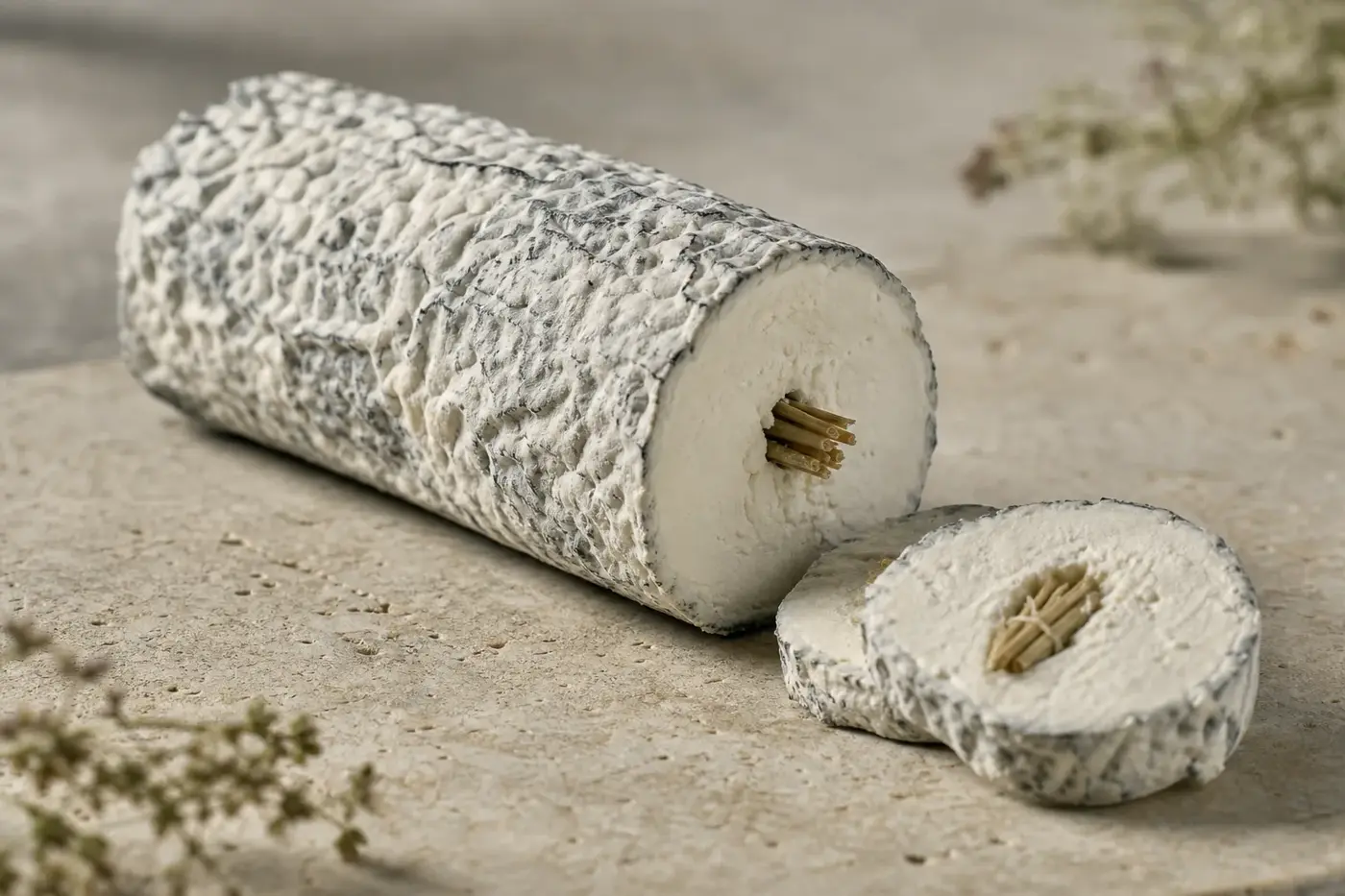
Look beneath the ash-coated surface of Sainte-Maure de Touraine, past its visible ripening mould, and you find a cereal straw running lengthways through the cheese.