Country: Georgia
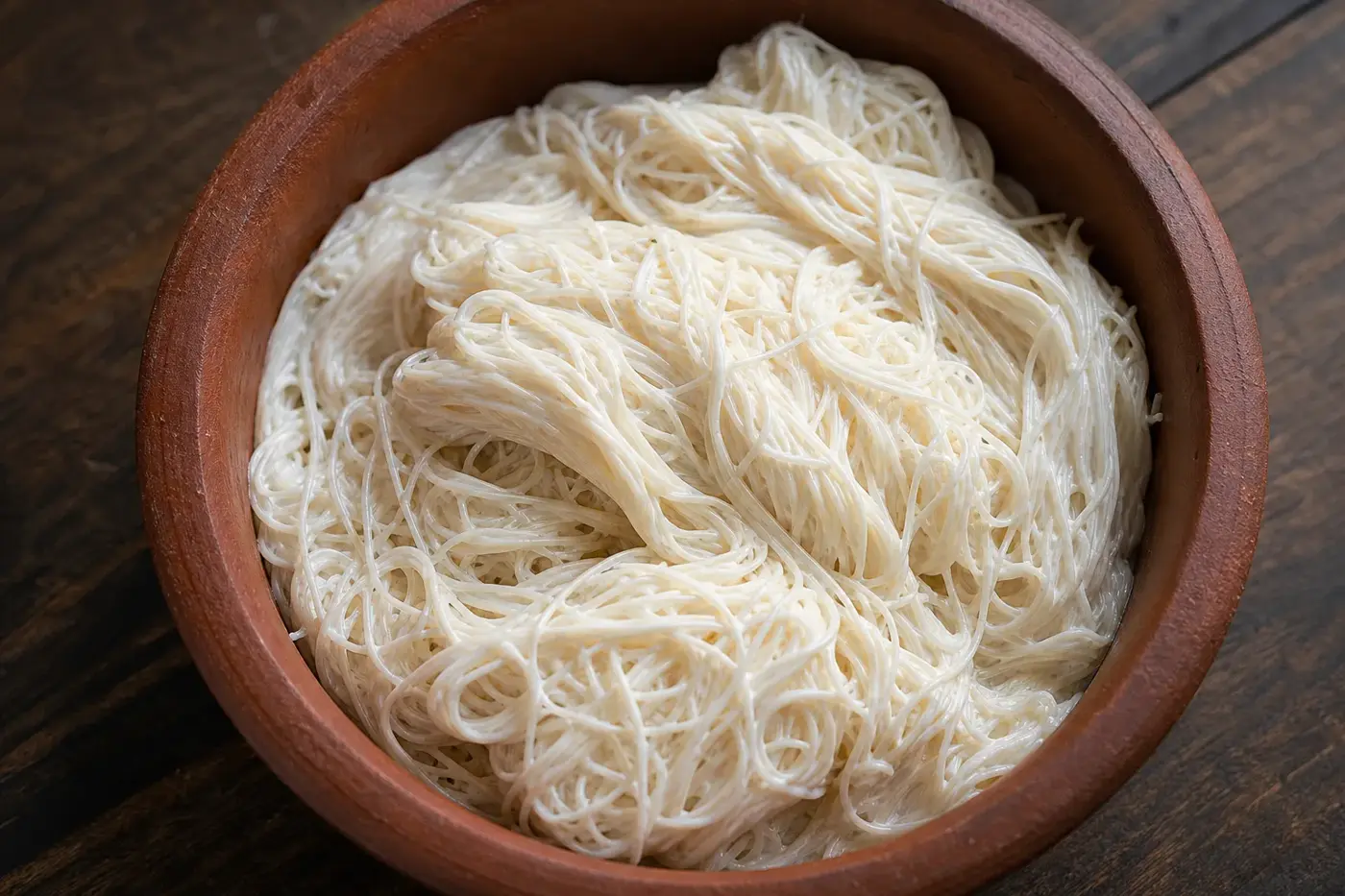
In Meskheti, warm cheese becomes a tangle of fine threads in a cheesemaker’s hands. The strands are dried, coated in cream and packed tightly into clay vessels. This is tenili, and your introduction to a country where milk takes some remarkable turns. Start with Imeruli and sulguni, then seek out tenili, Tushuri guda, dambalkhacho and chogi: stretching, salting, drying and maturing give each its own texture and regional identity.[2][3][4][5]
| Your first taste of Georgian cheese | What to look for |
|---|---|
| Traditions to explore | Fresh and brined cheeses, stretched cheeses, skin-bag maturation, dried curds and cheeses packed into clay vessels.[2][3][4][5] |
| Milk you will encounter | Cow, sheep, goat and buffalo, depending on the cheese and its production rules.[3][5] |
| Who registers the names | National Intellectual Property Center of Georgia, Sakpatenti.[1] |
| Domestic protection categories below | Geographical indication and appellation of origin, recorded separately in Sakpatenti’s register.[1] |
| Registration status as of | November 2026.[1] |
Watch the hands, then follow the cheese
Watch tenili take shape and those fine threads begin to make sense. Cheesemakers repeatedly stretch and fold small portions of softened cheese until they become strands. Sakpatenti’s specification describes a slightly acidic, mildly piquant cheese. Georgia’s national tourism authority records the next steps: a coating of cream and close packing into a clay pot.[2][5]
The vessel has a part to play, too. In Tusheti, a skin bag helps define Tushuri guda, while dambalkhacho’s shaped curds are dried before maturing in clay. Chogi takes another route: first an unsalted stage, then breaking up, kneading and salting.[3][4][5]
Put fresh Imeruli beside layered sulguni, dense guda and a portion of tenili. You have a set curd, a worked curd, a bag-matured cheese and a gathering of fine strands, with differences you can feel before you taste. Compare methods as well as regions; the guide to cheese styles and methods gives you the vocabulary behind them.[2][3][5]
Follow the herds into the hills
In Tusheti, the cheesemaking calendar moves with the animals. The Tushuri guda specification describes their journey to upland pastures by June, weather permitting, and their return to the lowlands in September or October. This movement between seasonal grazing grounds has a name: transhumance.[3]
Each stage belongs to a place. Milking, cheesemaking and the beginning of maturation happen within the defined Tusheti production area. Where necessary, maturation can finish in the named lowland villages of Pshaveli, Kvemo Alvani, Zemo Alvani and Laliskhuri. Cutting and packing are permitted there too.[3]
Sheep are central to this pastoral story, but “sheep’s cheese” tells you only part of Tushuri guda’s story. Its published specification allows sheep’s milk, cow’s milk and a defined mixture of the two. A limited addition of goat’s milk is also permitted, so ask which version you are tasting.[3]
Cow’s milk also appears in the fresh and stretched cheeses associated with western Georgia. Georgia Travel, the national tourism authority’s visitor website, describes sulguni made with cow’s or buffalo milk. Buffalo belongs in this picture alongside cattle, sheep and goats. A cheese’s name alone cannot tell you which milk went into your piece.[5]
At a dairy, separate three things: the cheese’s regional association, the ingredients its specification permits and what this producer actually uses. Ask which milk is being used that season. It is a good way into a conversation about grazing, herd movements and when the cheese was made.
Find your favourite, one texture at a time
Imeruli: get to know the curd
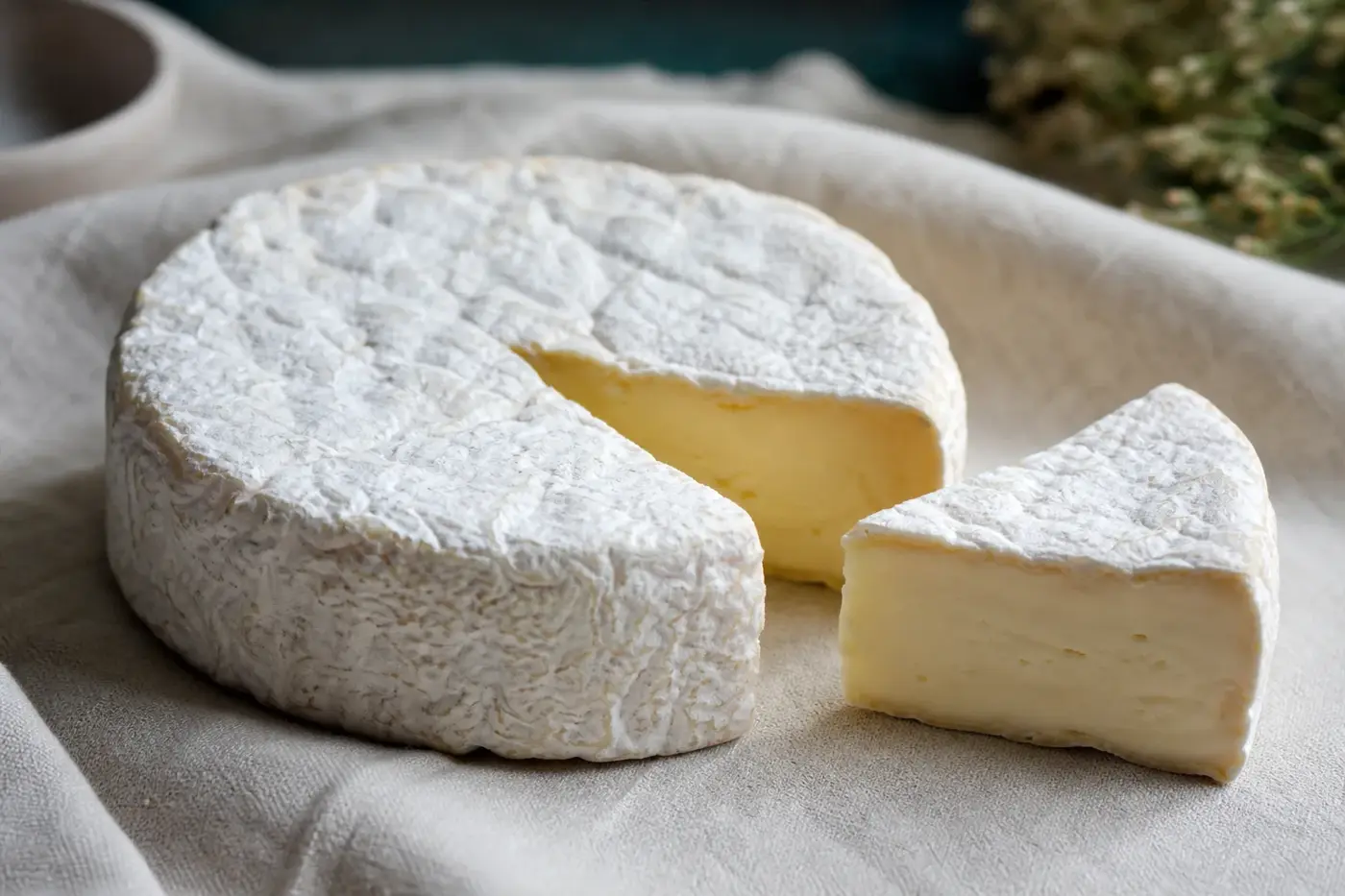
Begin with Imeruli, also called Imeretian cheese in English, and you can still recognise the curd relatively easily. Georgia Travel describes milk set with rennet, the substance that coagulates milk. Hand-working, moderate squeezing, shaping and salting follow, and the cheese may then go into brine.[5]
Ask for a young example and find out whether it has been brined. Beside sulguni, notice how readily its curd breaks, how much moisture it releases and how strongly the salting comes through. Let the seller introduce the cheese in front of you; there is no need for every example to taste alike.
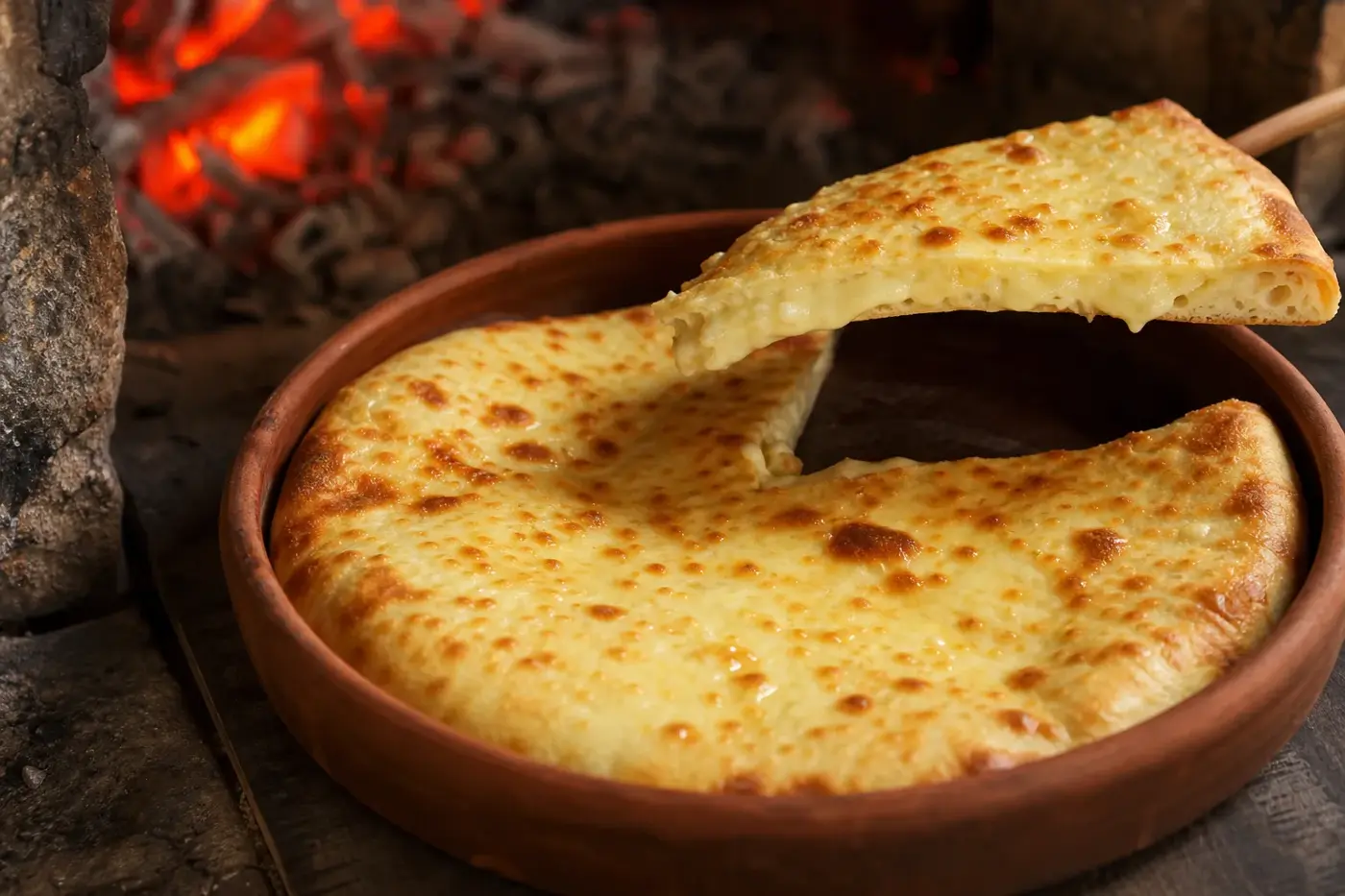
Keep the kitchen in mind, too. Imeruli is the cheese named in the tourism authority’s account of Imeretian khachapuri, where the filling sits enclosed within a round bread. Taste it separately first, and you can better understand what it brings to the finished bread.[7]
Sulguni: tease apart those layers
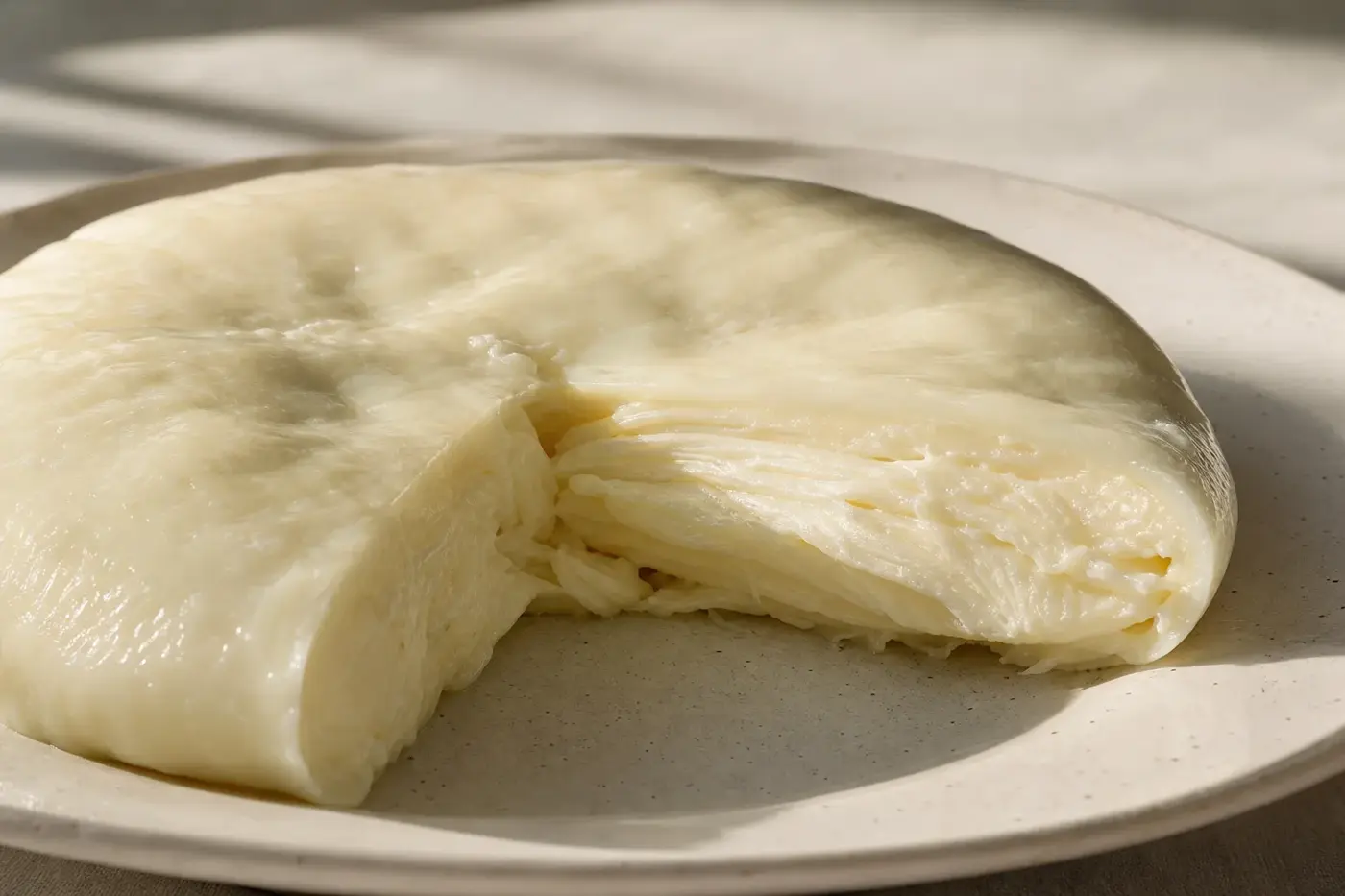
Pull sulguni apart and its defining layers reveal themselves. Georgia Travel describes fresh cheese cut into strips, heated in water or milk, then kneaded, pulled and folded. That working of the curd creates the layers you see.[5]
Compare the way it separates with Imeruli’s less-worked curd. Fresh and smoked sulguni make another worthwhile pairing, should your tasting need an entirely reasonable excuse to expand. Ask who made each cheese and who smoked it, so you know the provenance behind your comparison.[5]
Pay attention to the regional names, too. Sulguni, Megrelian sulguni and Svanetian sulguni have separate registrations in Georgia, each with its own requirements. When a seller offers “sulguni”, ask which particular cheese they mean.[1]
Tushuri guda: discover what the bag brings
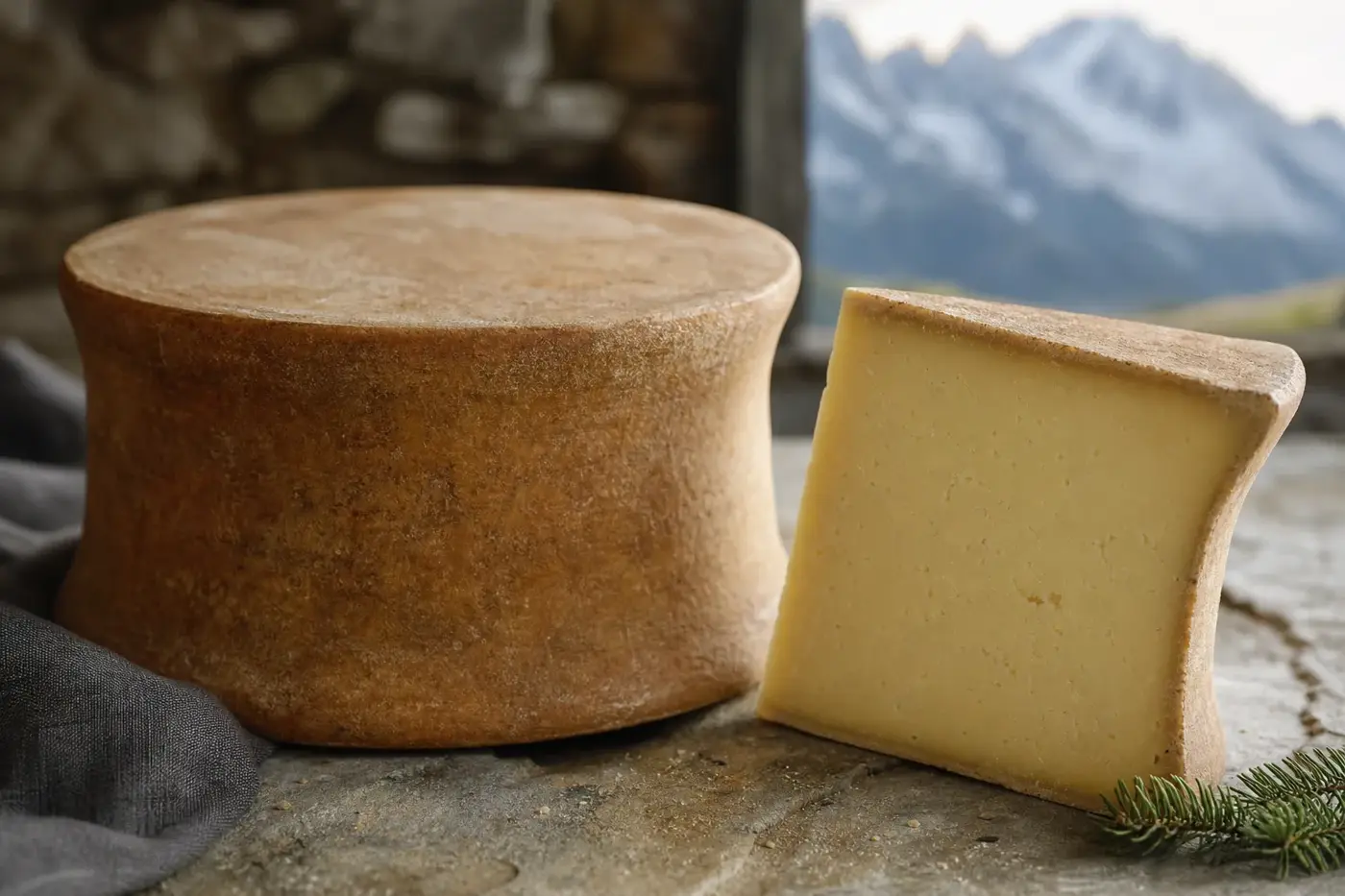
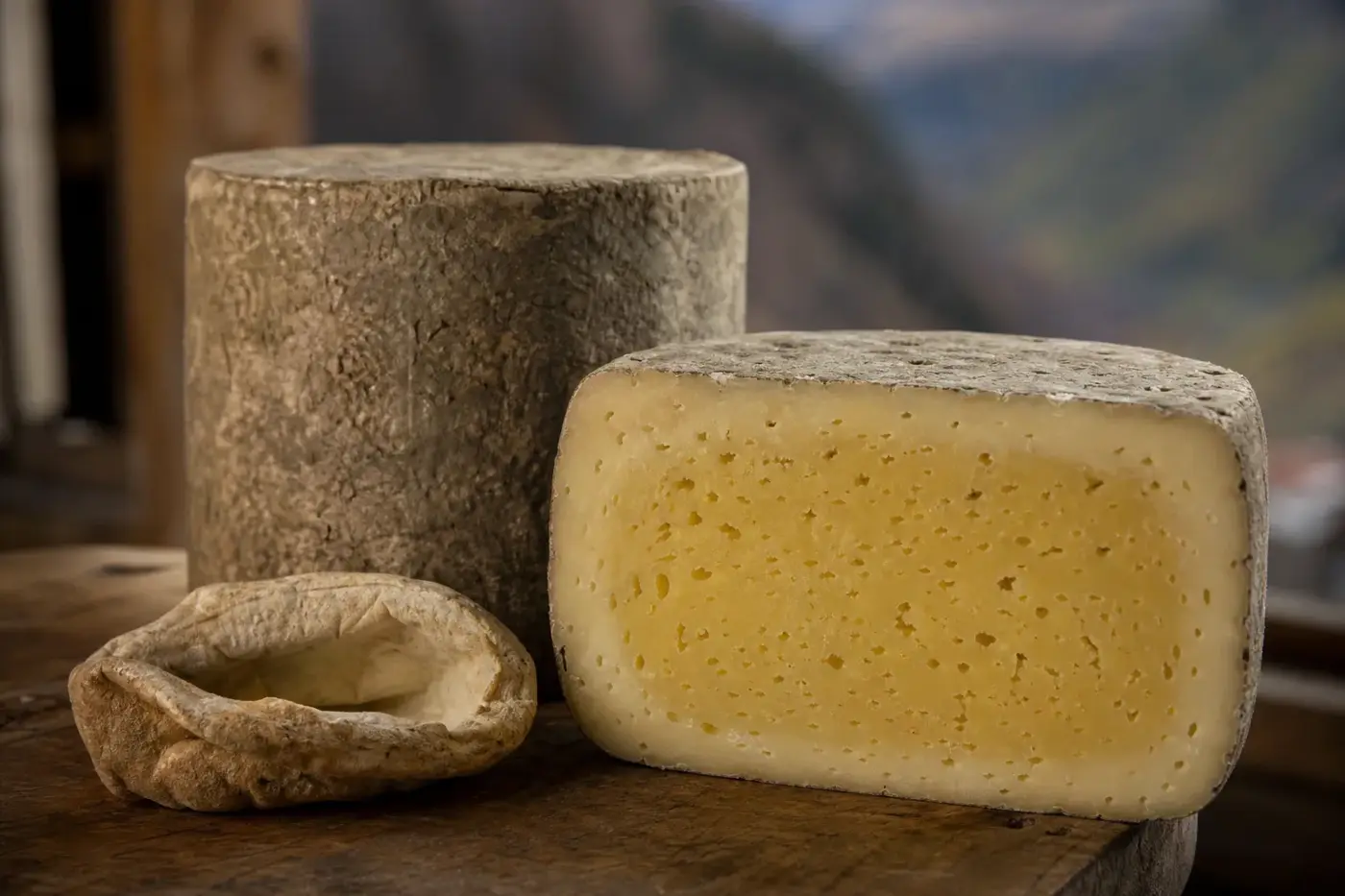
Tushuri guda, or Tushetian guda, matures in a guda: a prepared animal-skin bag. The bag forms part of the cheese’s definition, rather than simply its packaging. Its specification describes a dense, uniform and slightly elastic cheese, with openings in the paste and a salty, piquant, umami flavour.[3]
The published minimum maturation is 60 days. Sheep, cow and mixed-milk versions are permitted, so ask about the milk as well as the age. Those two answers tell you much more than the rather roomy description “mountain cheese”.[3]
Dambalkhacho: look beneath the mould
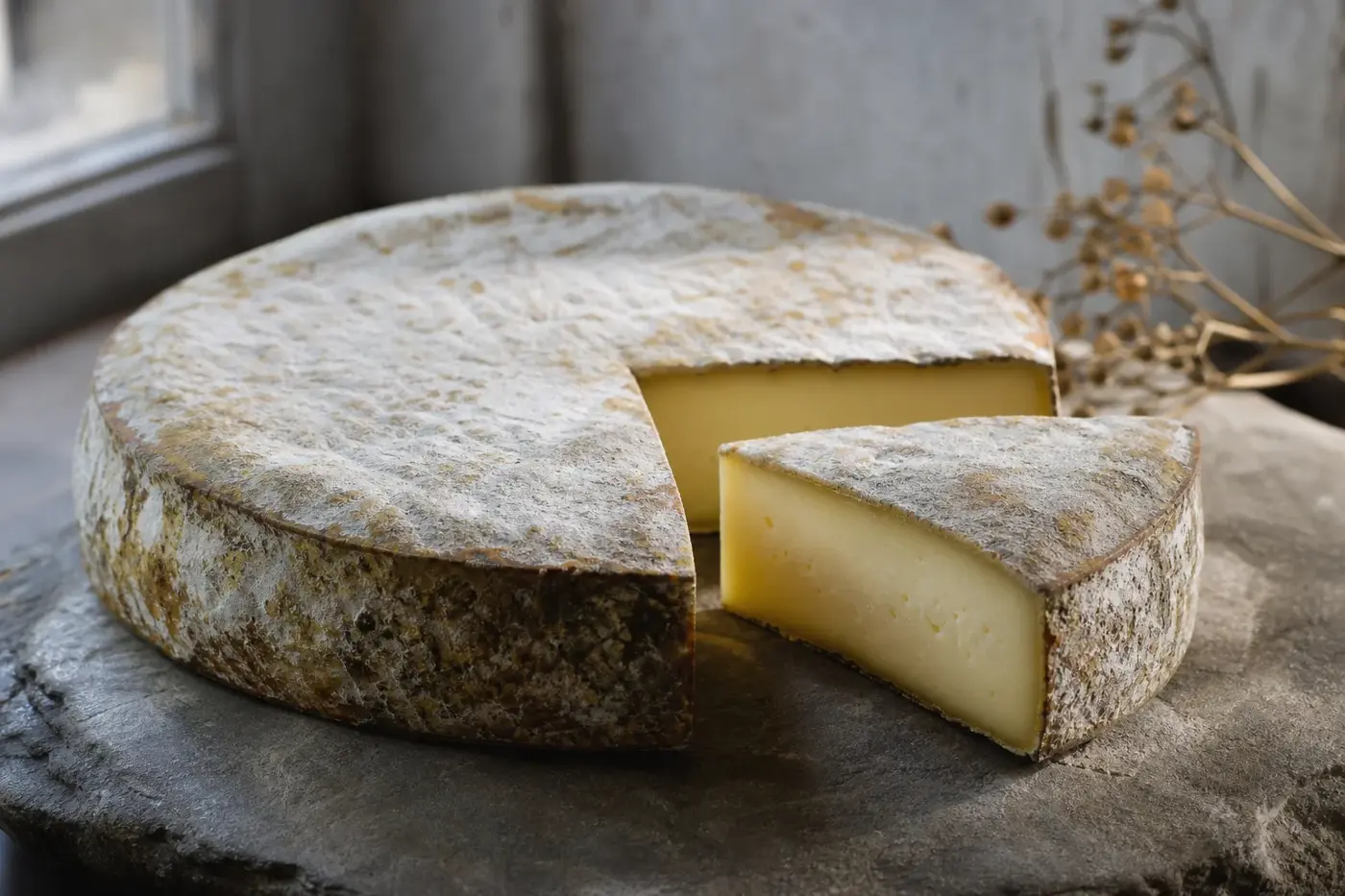
A moulded exterior gives way to a soft, golden interior in Georgia Travel’s account of dambalkhacho. Salted curd is shaped into small rounds and dried in a special container called a dzobani. It then matures in a clay pot or kvevri.[5]
You have two ways to get acquainted. The same account records dambalkhacho eaten dry or heated in a pan with clarified butter. Try both where offered: you can discover how preparation at the table changes your experience of the same cheese.[5]
Tenili: marvel at the fine threads
Tenili’s fine strands begin with repeated stretching. Its registered description names sheep and cow milk, with a slightly acidic, mildly piquant flavour. Georgia Travel records the customary Meskhetian preparation, including cream and close packing into clay.[2][5]
If you can, see the strands before they are gathered together. Turning a small mass of cheese into threads is the heart of this craft, and worth your attention. Arrange any demonstration directly with the producer, and ask whether you will see the full production sequence or a single stage.
Chogi: taste Tusheti’s softer side
Chogi is quite distinct from guda. Its specification names fatty sheep’s milk obtained in July and August, a yellow colour and a butter-like consistency. Expect the piquant taste and smell described there, too.[4]
The cheese starts unsalted, then is broken up and kneaded with salt before further maturation. The specification describes it as ready after a subsequent period of one to two months. Taste it beside Tushuri guda to explore the contrast between chogi’s softness and guda’s prescribed dense, slightly elastic structure.[3][4]
Get to know the names on the label
The twelve names below are registered in Georgia as of November 2026. Sakpatenti’s register treats geographical indications and appellations of origin as separate categories. Here you can find each name’s domestic category and identifier; all share a registration date of 24 January 2012.[1]
| Registered Georgian name | Name in the English register | Georgian protection category and number, November 2026 [1] |
|---|---|---|
| აჭარული ჩლეჩილი | Adjarian Chlechili | Geographical indication 7 |
| დამბალხაჭო | Dambalkhacho | Geographical indication 16 |
| თუშური გუდა | Tushetian Guda | Appellation of origin 14 |
| იმერული ყველი | Imeretian Cheese | Geographical indication 15 |
| კობი | Kobi | Geographical indication 12 |
| მეგრული სულგუნი | Megrelian Sulguni Cheese | Geographical indication 9 |
| მესხური ჩეჩილი | Meskhetian Chechili | Geographical indication 8 |
| სვანური სულგუნი | Svanetian Sulguni Cheese | Geographical indication 11 |
| სულგუნი | Sulguni | Geographical indication 10 |
| ტენილი | Tenili | Geographical indication 5 |
| ქართული ყველი | Georgian Cheese | Geographical indication 6 |
| ჩოგი | Chogi | Geographical indication 3 |
Behind those names sits Georgian law governing their registration, protection and use. It distinguishes a generic term, meaning a name that has become common for goods in Georgia, from the registered rights recorded in the state registry. That distinction matters when you read a label.[6]
Take this useful example. ქართული ყველი, translated in the register as “Georgian Cheese”, is a specific registered name. The broader English expression “Georgian cheese”, used for the country’s cheeses collectively, covers a much wider subject.[1]
A regional association is not the same thing as a registered production area, either. For the legal boundary, turn to the specification rather than an everyday description of where a cheese comes from. Protection abroad is a separate jurisdictional question; the guide to protected names explains how to approach it.
Pull up a chair at the Georgian table
Start simply, with cheese and bread, then discover what cooking changes. Georgia Travel records cheese served with mchadi, a maize bread, and ghomi, alongside dishes including elarji and gebzhalia. Cheese belongs to the everyday meal as well as to more elaborate preparations.[5]
Khachapuri offers you an inviting route into regional differences. In the tourism authority’s account, Imeretian khachapuri encloses its cheese filling, while Megrelian khachapuri has cheese on top as well. Adjarian khachapuri is an open boat, finished with egg and butter.[7]
With Meskhetian khachapuri, you find yourself back with tenili. The dedicated Georgian tourism account describes thinly stretched dough layered with fat, filled with cheese and shaped before baking. It records fresh cheese used together with tenili.[8]
Give each preparation its own attention. Ask which cheese the kitchen uses, whether the filling combines cheeses and whether the recipe follows a regional or family practice. An English menu’s “cheese bread” is doing an awful lot of work; that conversation will tell you much more.
Look back into a long dairy history
The wider Caucasus has a long archaeological record of dairy consumption. A 2022 study examined proteins preserved in human dental calculus from 45 individuals at 29 sites across the Caucasus and neighbouring regions. Using high-resolution tandem mass spectrometry, the researchers identified dairy consumption.[10]
One South Caucasus individual, dated to 3776 to 3651 BC, had cattle milk proteins. That gives you dairy consumption tied to a particular animal source and archaeological context. It does not put a modern Georgian cheese recipe at that date.[10]
For the histories of named cheeses, follow the documented methods, vessels, pastoral practices and written records. The Tushuri guda specification discusses seasonal migration and cheesemaking knowledge passed between generations. Its historical account also identifies twentieth-century written and documentary sources concerning Tushetian cheese.[3]
The compelling connection lies between an old pastoral economy and the particular methods recorded today. Archaeology shows you the depth of dairy consumption. Documented practices bring the living craft, and the people carrying it forward, into focus.
Make room for a Georgian cheese journey
Start among the stalls in Tbilisi
Deserters’ Bazaar, near Tbilisi Central Railway Station, gives you a practical starting point. Georgia Travel identifies it as an agricultural market. Sulguni and other dairy products are specifically listed among its goods.[9]
Build a comparison as you browse. Ask a seller for a fresh cheese and a worked or matured one, then find out where each was made. Before you set out, confirm current market access through official visitor information.
Choose your region by its cheesemaking
Follow a method and your journey gains a purpose. You might seek tenili in Meskheti, guda and chogi in Tusheti, or the fresh and stretched cheeses associated with western Georgia. These documented regional connections give you more direction than a general hunt for “traditional cheese”.[2][3][4][5]
Contact producers before travelling. Ask whether they receive visitors, whether cheesemaking will happen on your proposed date, whether interpretation is available and what accessibility arrangements apply. For mountain visits, reconfirm transport and local conditions close to departure. A production season is not the same arrangement as a visitor season.
Pack these four useful questions
You do not need a long interrogation to learn what matters. These four questions give you a useful place to start:
- Who made this cheese, and in which village or dairy?
- Which animal’s milk was used, and was it pasteurised?
- When was it made, and how was it matured?
- What storage instructions and date information accompany this piece?
Note the producer as well as the cheese name. Each tells you something different. The guide to reading a cheese label helps you distinguish a maker, seller, origin statement and product name.
This page summarises published guidance from the official sources it cites. It is not medical advice. Guidance differs between countries and changes over time, so check the current source for where you live, and ask your doctor, midwife, pharmacist or dietitian about your own circumstances.
Bring your cheese home safely
Ask directly about milk treatment, particularly when buying unpackaged cheese. The Tushuri guda specification expressly describes raw whole milk. Alongside questions about traditional production, establish how the milk itself was treated.[3]
For England, Northern Ireland and Wales, the UK Food Standards Agency’s published consumer guidance recommends a domestic fridge temperature between 0 °C (32 °F) and 5 °C (41 °F). It recommends refrigeration for dairy products and foods carrying a use-by date. Follow your particular cheese’s storage instructions and date information.[11]
Arrange chilled transport before buying cheese to take back to your accommodation. Ask the producer for instructions specific to the product, including handling after opening. For further guidance, turn to cheese storage at home alongside the current official advice for where you live.
Questions people ask
What is the difference between Imeruli and sulguni?
Imeruli’s curd remains relatively recognisable after shaping and salting, and it may be placed in brine. Sulguni is made by heating fresh cheese cut into strips, then kneading, pulling and folding it to create layers.
What is Tushuri guda and how long does it mature?
Tushuri guda matures in a prepared animal skin bag called a guda. Its published minimum maturation is 60 days, and sheep, cow and mixed milk versions are permitted.
What cheese is used in khachapuri?
Georgia Travel names Imeruli as the cheese in Imeretian khachapuri, where the filling is enclosed within a round bread. Its account of Meskhetian khachapuri records fresh cheese used together with tenili.
How is dambalkhacho made and eaten?
Salted curd is shaped into small rounds, dried in a container called a dzobani, then matured in a clay pot or kvevri. Georgia Travel records it eaten dry or heated in a pan with clarified butter.
Where can I find Georgian cheese in Tbilisi?
Deserters’ Bazaar is near Tbilisi Central Railway Station. Georgia Travel lists sulguni and other dairy products among the goods sold at the agricultural market.
Sources
[1] Sakpatenti. State Registry: Appellations of Origin registered in Georgia; Geographical Indications registered in Georgia. Live register, checked November 2026.
[2] Sakpatenti. Geographical Indication: Tenili. Registration 5, dated 24 January 2012; specification currently linked from the register.
[3] Sakpatenti. Specification of the Protected Appellation of Origin Tushetian Guda. Registration 14; specification currently linked from the register, undated revision.
[4] Sakpatenti. Geographical Indication: Chogi. Registration 3, dated 24 January 2012; specification currently linked from the register.
[5] Georgian National Tourism Administration, Georgia Travel. Types of Georgian Cheese. Published 2022, current online version retrieved November 2026. Used for documented culinary practices, not preservation instructions or archaeological conclusions.
[6] Legislative Herald of Georgia. On Appellations of Origin and Geographical Indications of Goods. Law adopted 21 September 2023, official online English text, Articles 1 and 2.
[7] Georgian National Tourism Administration, Georgia Travel. Khachapuri: True Symbol of Georgian Cuisine. Published 2022, current online version retrieved November 2026.
[8] Georgian National Tourism Administration, Georgia Travel. Meskhetian Khachapuri. Undated online account, retrieved November 2026.
[9] Georgian National Tourism Administration, Georgia Travel. Deserters’ Bazaar. Current official visitor information, retrieved November 2026.
[10] Nature Ecology & Evolution. Emergence and intensification of dairying in the Caucasus and Eurasian steppes. Volume 6, pages 813 to 822, published 7 April 2022. Original research using dental-calculus proteomics.
[11] Food Standards Agency, GOV.UK. How to chill, freeze and defrost food safely. Published 18 December 2017, current retrieved version; applies to England, Northern Ireland and Wales.
This desk-researched article brings together Georgia’s official register, available specification text, national tourism documentation, original archaeological research and attributed UK storage guidance.
Last checked: November 2026
Last checked November 2026.
The cheeses of Georgia
Sulguni
Pull apart the warm, folded curd and watch its supple layers separate.
Imeruli
A clay pan sits over embers in an Imereti village, bread wrapped around a filling of fresh, crumbly cheese.
Tushetian Guda
High in Georgia’s Caucasus mountains, cheese ripens pressed against clipped wool.
The editors suggest you read next
French Cheese: The Complete Guide
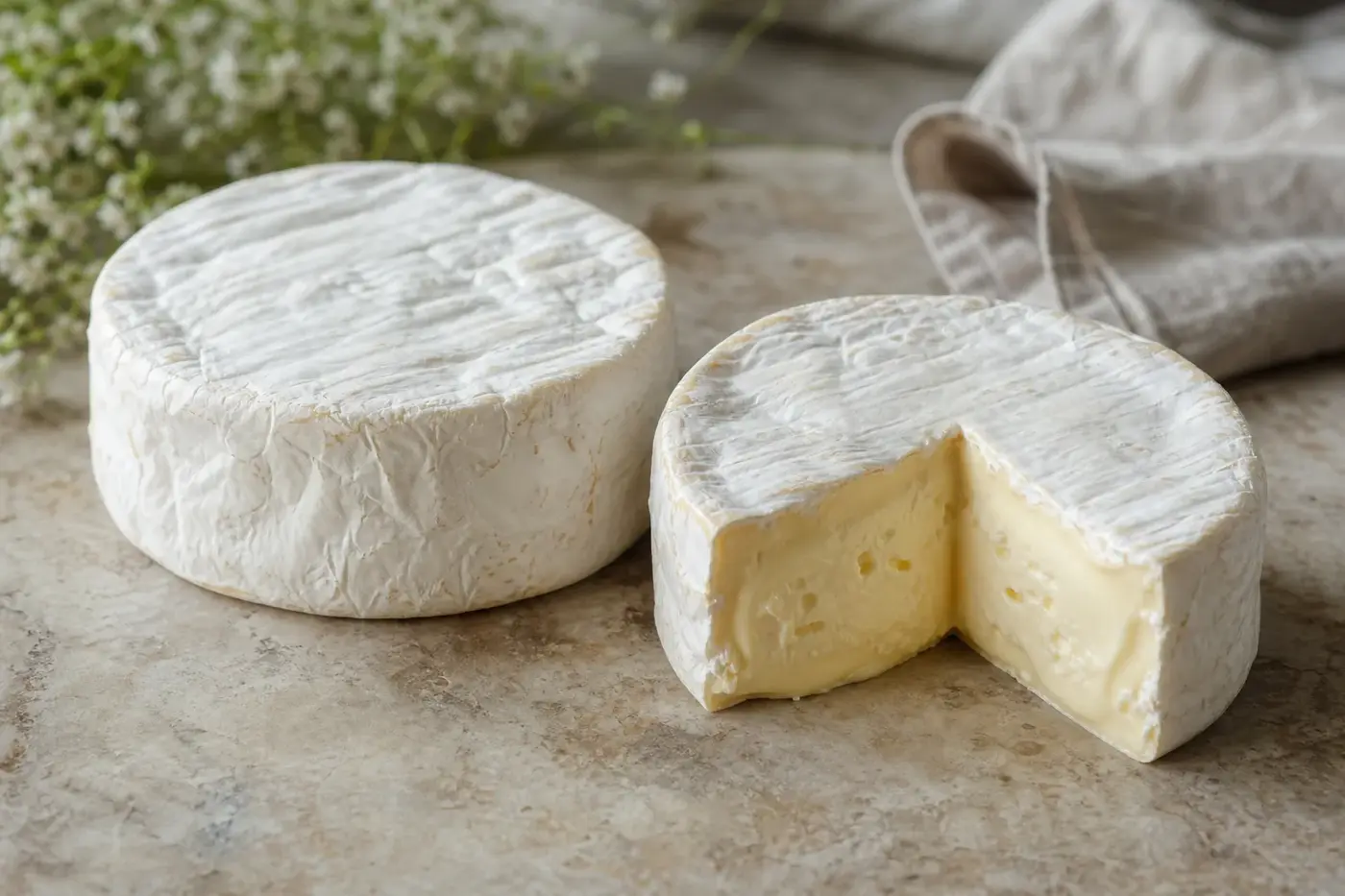
Picture Normandy’s pastures, then follow the milk towards the Loire’s goat dairies, the Jura’s shared cheesemaking traditions and the sheep country of the Pyrenees.