Swedish Cheese
A warm slice arrives from the oven in Hälsingland.
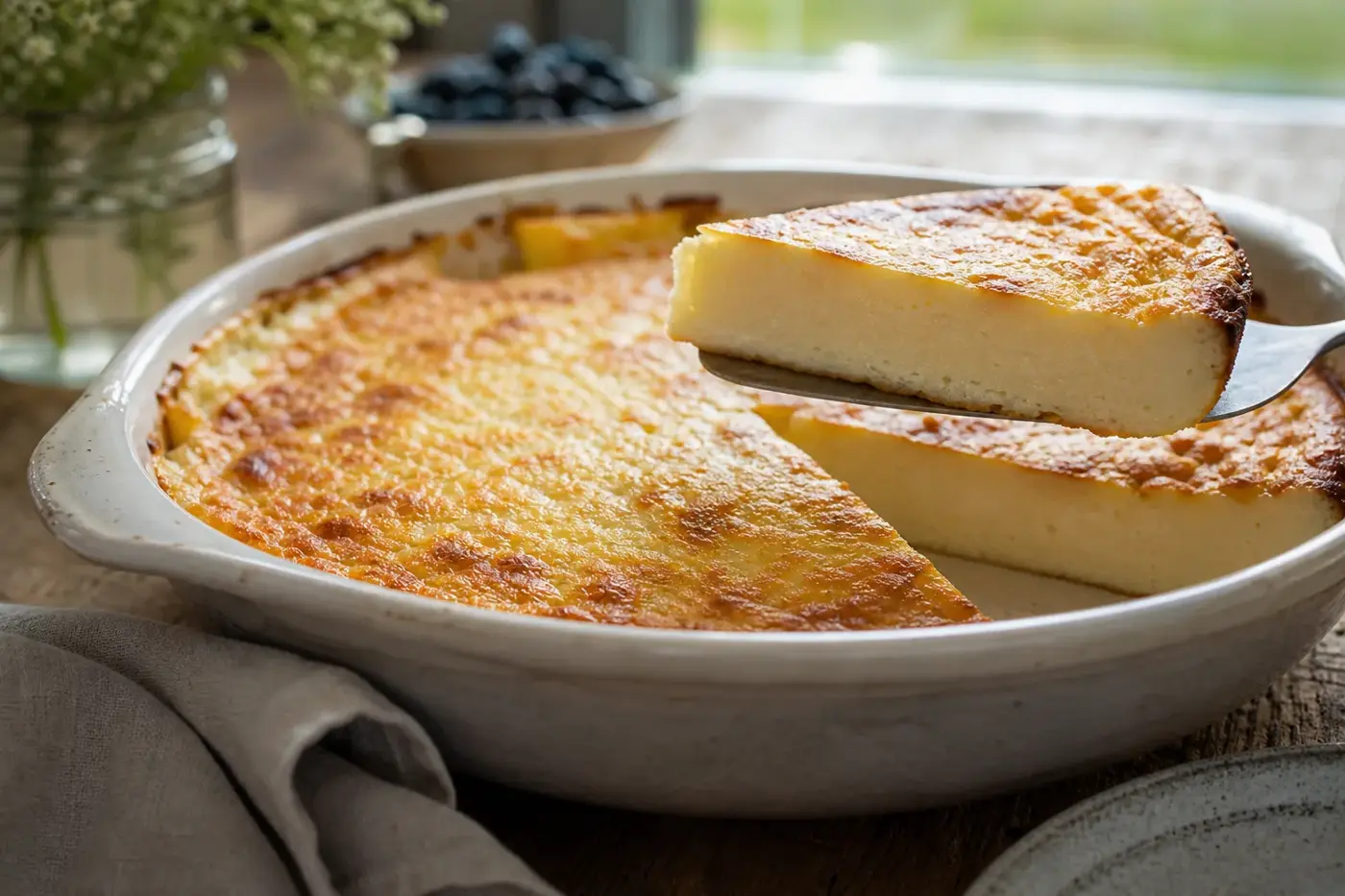
A warm slice arrives from the oven in Hälsingland. You cut into its smooth face, bite into the cow’s milk curd and, sometimes, hear a little squeak. This is Hälsingeostkaka, an introduction to Swedish cheese that takes you well beyond the sandwich: into coffee cups, onto everyday bread and towards slowly matured hard wheels. [1, 3, 4, 7]
Get your bearings before your first bite
| What to know | Your starting point |
|---|---|
| Country | Sweden [1] |
| Milk traditions | Cow, goat and historically reindeer [4, 9] |
| EU schemes | PDO, PGI and TSG [2] |
| Official food authority | Livsmedelsverket [2, 8] |
Start with something warm in Hälsingland
Hälsingeostkaka belongs to the farmhouses, cafés and community food traditions of Hälsingland. The European Commission’s published application describes fresh cheese made with rennet, the enzyme preparation that sets milk into curd. Drain that curd, bake it, and you have a springy texture with a straightforward milk flavour. [1]
Milk takes the lead, although the published application allows small additions of flour, egg, sugar or saffron. That specification distinguishes Hälsingeostkaka from Småland’s ostkaka, which contains almonds. The little squeak you might hear as you bite even has a local name: gnärsk. [1]
Already, your sandwich wedge seems some distance away. Ask how each cheese is meant to be eaten: warm in slices, softened in coffee, shaved over food or cut from a matured wheel. Those answers bring you closer to Swedish cheese than trying to squeeze it all into one national flavour.
Follow the milk from south to north
Start with the dairies and Sweden’s cheese geography begins to take shape. The official producer list places Svecia makers in Falköping, Kristianstad and Kalmar, useful starting points in southern Sweden. Farther north, Västerbottensost comes from the dairy in Burträsk. These places connect you to makers, rather than promising a particular flavour at every latitude. [6, 8]
In central Sweden, Södermanland brings a different landscape into view. The Sörmlands Ädel application describes small plains and valleys divided by hills, with pasture and locally sourced cow’s milk helping tie the cheese to its region. Its cheesemakers adjust their work as the milk changes through the seasons. [5]
Head north and the Kaffeost application takes you through extensive forests, mires, long winters and short growing seasons. It includes cow’s, goat’s and reindeer milk, with cows especially associated with eastern farming districts and goats able to use rougher grazing. Northern cheesemaking draws on both settled dairy farming and upland pastoral traditions. [4]
Reindeer milk has its own place in this history. Samer.se, the Sámi information service, records earlier reindeer-milk cheesemaking and the later keeping of goats and mountain cattle. When you choose a northern cheese today, ask which milk it contains. The map cannot do that part for you. [9]
Let texture lead you to your next cheese
After warm ostkaka, try the contrast of Västerbottensost. Its producer describes a pressed hard cheese made from pasteurised cow’s milk in Burträsk, matured for at least 14 months. That maturation requirement belongs to the maker, not an EU geographical indication. The producer also describes the name as a registered trademark; its relevant market and registration remain open questions here. [6]
Prästost and Herrgårdsost bring you back to the everyday table. Arla lists its Präst and Herrgård products among hard cheeses, a category it describes as firm in texture and suited to sandwiches and hot dishes. Ask a cheesemonger for examples of similar age, compare how cleanly they slice, then give the flavour a moment to develop as you chew. [7]
For a change of pace, turn to Sörmlands Ädel. Its published application describes a soft to semi-soft blue cheese made from pasteurised organic whole cow’s milk, with a supple paste threaded with blue-green veins. Look for salt, acidity and umami, alongside cellar and caramel notes. “Strong” is beginning to look rather underqualified for the job. [5]
If you would like words for what you are tasting, the guide to cheese styles helps you compare texture and rind. For the distinction between pasteurised and raw milk, turn to milk treatments.
Get to know the places behind protected names
You will encounter three EU schemes in Sweden: PDO, protected designation of origin; PGI, protected geographical indication; and TSG, traditional speciality guaranteed. PDO requires the production stages to happen within the defined area, while PGI requires at least one. TSG protects a traditional product or method, rather than an exclusive place of production. [2]
The records below separate categories listed by Swedish authorities from information at the application stage. They concern EU status, so the jurisdiction matters. A familiar name and a protected name do not mean the same thing. [1, 2, 3]
| Name | EU record, November 2026 | Where it takes you |
|---|---|---|
| Hälsingeostkaka | PGI application published 5 August 2026; subsequent registration remains an open question [1] | Hälsingland [1] |
| Hushållsost | Current registration and category remain open questions | Household slicing cheese listed by Arla [7] |
| Kaffeost | PDO listed by Jordbruksverket [3] | Six northern provinces in the published application [4] |
| Sörmlands Ädel | PGI listed by Jordbruksverket [3] | Södermanland [5] |
| Svecia | PGI listed by Jordbruksverket [3] | Listed dairies include Falköping, Kristianstad and Kalmar [8] |
| Wrångebäcksost | PDO listed by Jordbruksverket [3] | Listed producer: Almnäs Bruk, Hjo [8] |
Behind those names, you will find very different things to eat. Kaffeost is a fresh cheese whose surface may be dried, smoked or baked, according to its application. Hälsingeostkaka is fresh too, but oven-baked and served in slices. Neither needs to behave like a conventional matured wedge to earn your attention. [1, 4]
If you are planning a regional itinerary, follow Sörmlands Ädel towards Södermanland and Wrångebäcksost towards the Hjo area. Svecia connects you with several dairies, rather than one visitor destination. At the counter, ask for the exact name and producer together. That gives the shop more to work with than “something typically Swedish”. [5, 8]
The labels become easier to navigate once you separate place, tradition and brand. Read protected names explained for the distinction between a geographical indication, a traditional speciality and a commercial brand.
Pull up a chair, and bring your coffee
Begin with the modest pleasure of a cheese sandwich. Try a slicing cheese on crispbread, then on softer bread, keeping your first mouthful plain. Add cucumber or apple afterwards, so you can taste what the accompaniment changes. This is a tasting exercise, not a fixed Swedish menu.
Those hard cheeses have plenty to do beyond the breadboard. Arla suggests them for pasta, gratins and other hot dishes, while Västerbottensost’s recipe collection includes cheese-topped potatoes. For breakfast, choose a texture that slices well. For a festive table, gather contrasting styles and identify each by maker and region. [6, 7]
With Kaffeost, your cup joins the proceedings. Its application describes small pieces placed in coffee, then eaten once the liquid has warmed and softened them. The sensory descriptions vary with milk species and surface treatment: smoking brings smoke notes, while a baked surface can add caramel-like flavours. You can often expect a squeaky texture. [4]
There is a wider cultural geography in that cup, too. Sámi food traditions have their own history, including the reindeer milking and cheesemaking recorded by Samer.se. Ask your host how their family or community serves the cheese. You will learn more that way than by expecting one method to represent every northern household. [9]
Meet the working lives behind the cheese
Swedish cheese has several histories, rather than one tidy origin story. Hälsingeostkaka’s application connects its method with a local tradition of making ostkaka from milk. The Sámi information service describes earlier reindeer-milk cheeses made in low moulds. Different animals, working conditions and ways of using milk shaped each tradition. [1, 9]
Summer-pasture and farm work belong in this picture, too. Västerbottens museum’s catalogue description of a filmed family farming record includes goat cheesemaking and mese cooking. Such records place dairy work among a farm’s other tasks. You see cheese as part of a working life, rather than a craft standing apart from it. [10]
Today, larger dairies and specialist makers work alongside one another. Sweden’s official list of protected-name producers includes established Svecia dairies, the Sörmlands Ädel maker in Hälleforsnäs and several northern Kaffeost makers. It gives you a glimpse of different scales of production and regional specialisms continuing together. [8]
Plan a journey with plenty to taste
Build your trip around contrasting settings: a farm dairy, a specialist cheese counter, a market and a restaurant serving regional food. Before travelling, consult each venue’s website for visitor access, booking requirements and accessibility. A dairy’s place on a producer list connects it to the cheese, but does not promise public visits. Before bringing cheese home, consult the current official personal travel rules from Sweden to your destination, including any transit countries.
In Hälsingland, ask cafés or restaurants whether they serve locally made Hälsingeostkaka and how they present it. In Södermanland, request Sörmlands Ädel and ask which dairy made the cheese on offer. Around Hjo, start with the name Wrångebäcksost. In the north, ask which milk and surface treatment distinguish the available Kaffeost. [1, 4, 5, 8]
At any counter, a few direct questions will serve you well. Where was it made, who made it, and which animal supplied the milk? How old is this example, and what does the maker recommend serving with it? Ask separately where it matured, because the place of sale tells you little about the dairy behind it.
For a manageable first selection, choose an everyday slicing cheese, a matured hard cheese, a blue and a regional warm-cheese speciality. Taste each with a plain accompaniment before trying the maker’s suggested combination. Note the producer and age alongside the style name. Your future cheese-shopping self will appreciate the paperwork.
Use how to read a cheese label to compare origin and maker information. If a dairy’s account leaves you curious about curd, pressing or maturation, follow that curiosity into how cheese is made.
Questions people ask
What is Hälsingeostkaka?
Hälsingeostkaka is a fresh cheese from Hälsingland, made by draining and baking milk curd. It is served warm in slices and has a springy texture.
What milk is used to make Kaffeost?
The published Kaffeost application includes cow’s, goat’s and reindeer milk. Its surface may be dried, smoked or baked.
How long is Västerbottensost matured?
Its producer says Västerbottensost is matured for at least 14 months. It is a pressed hard cheese made from pasteurised cow’s milk in Burträsk.
What does Sörmlands Ädel taste like?
The published application describes salt, acidity and umami, with cellar and caramel notes. It is a soft to semi soft blue cheese made from pasteurised organic whole cow’s milk.
Which Swedish cheeses have protected EU names?
Jordbruksverket lists Kaffeost and Wrångebäcksost as PDO cheeses, and Sörmlands Ädel and Svecia as PGI cheeses. A PGI application for Hälsingeostkaka was published on 5 August 2026, but subsequent registration was not verified.
Sources
- European Commission, Publication of an application for registration: ‘Hälsingeostkaka’, Official Journal C/2026/4268, 5 August 2026. Application identifier PGI-SE-02934.
- Livsmedelsverket, Skyddade beteckningar, undated consumer explanation, retrieved November 2026.
- Jordbruksverket, Smaka Sverige, Produkter med skyddad EU-beteckning, updated 25 June 2026.
- Sveriges Gårdsmejerister, Ansökan om skyddad ursprungsbeteckning: Kaffeost, revision dated 11 October 2024, hosted by Livsmedelsverket.
- Sörmlands Matkluster, Ansökan om skyddad geografisk beteckning: Sörmlands Ädel, product description dated 13 June 2021, hosted by Livsmedelsverket.
- Västerbottensost, Crafts, undated producer account; and Västerbottensost, recipe collection and product website, retrieved November 2026. These are commercial producer sources.
- Arla, Ost, undated product-category guide, retrieved November 2026. This is a commercial producer source.
- Livsmedelsverket, Kategori Ost, official list of protected-name manufacturers, reviewed 1 December 2025.
- Samer.se, Mat: Renstek och röding, undated cultural account, retrieved November 2026.
- Västerbottens museum, Kafé & shop, retrieved November 2026; indexed extract includes a description of filmed farming and dairy work at Herrgårds fäboda, Robertsfors.
This desk-researched draft draws on official application documents, Swedish public-authority information, a Sámi cultural account and attributed producer material.
Last checked: November 2026
Last checked November 2026.
The cheeses of Sweden
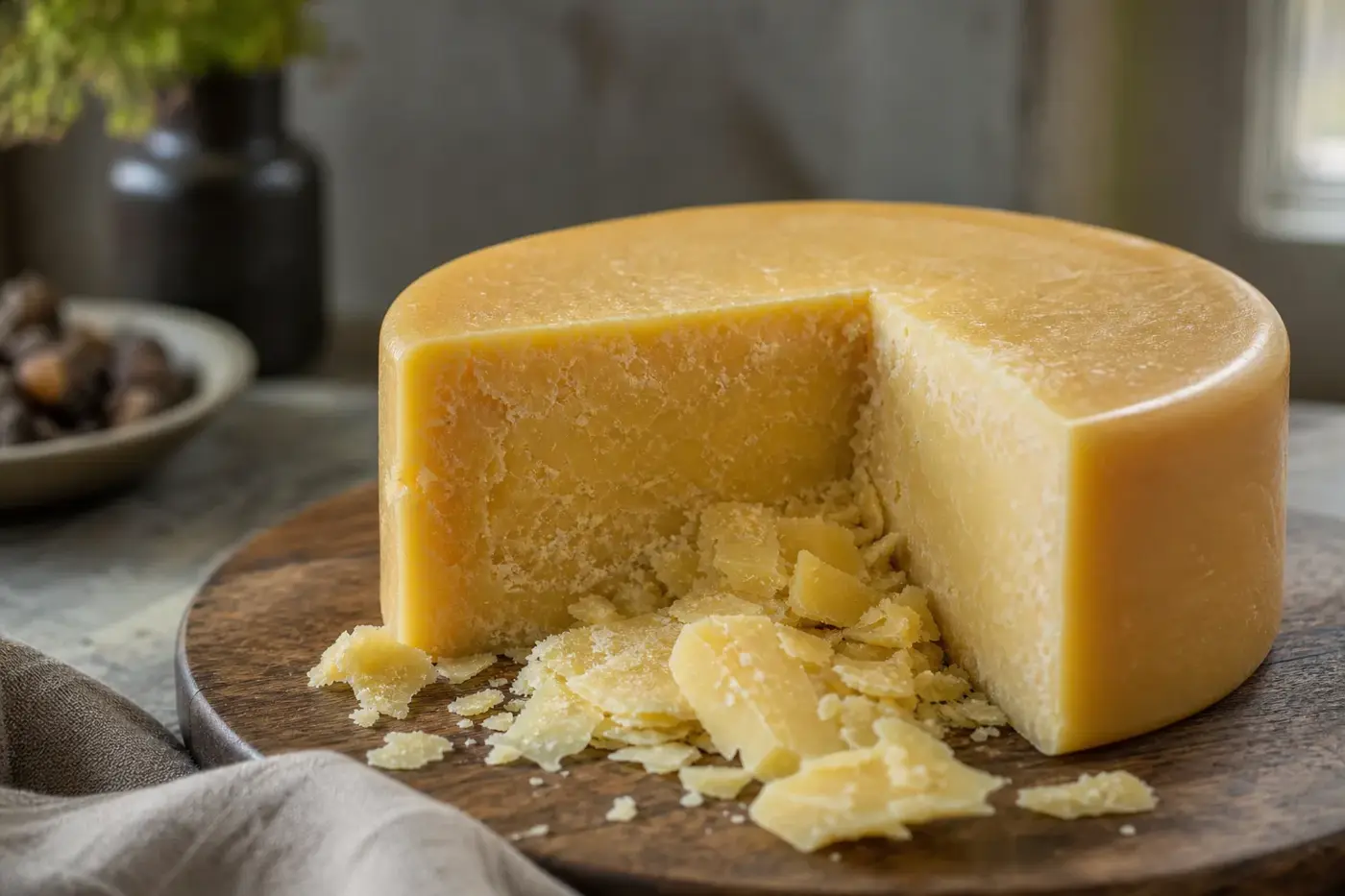
Västerbottensost
Your cheese plane meets Västerbottensost and a neat slice becomes a tumble of brittle flakes.
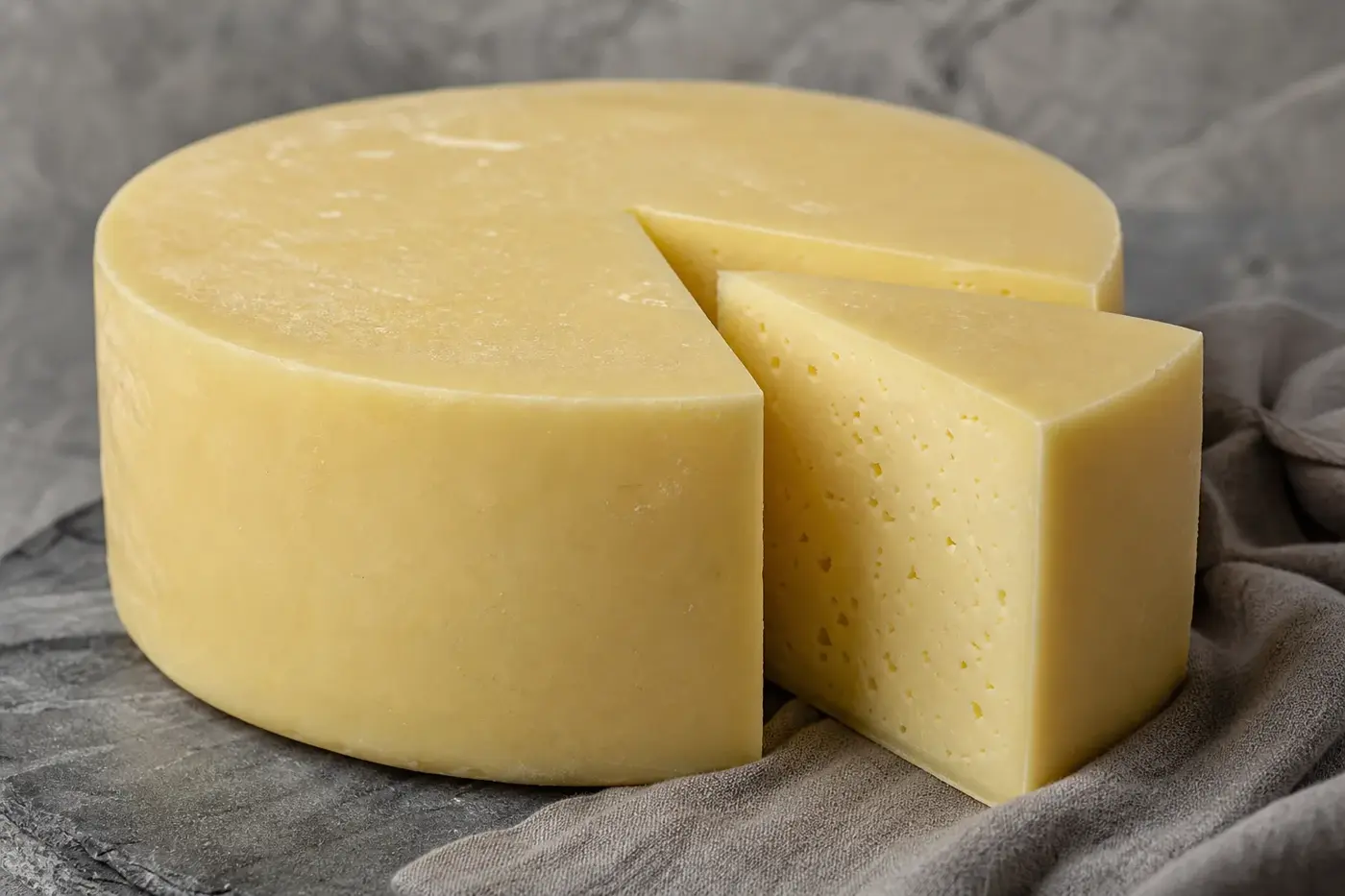
Svecia
A neat slice of Svecia settles onto your breakfast bread.
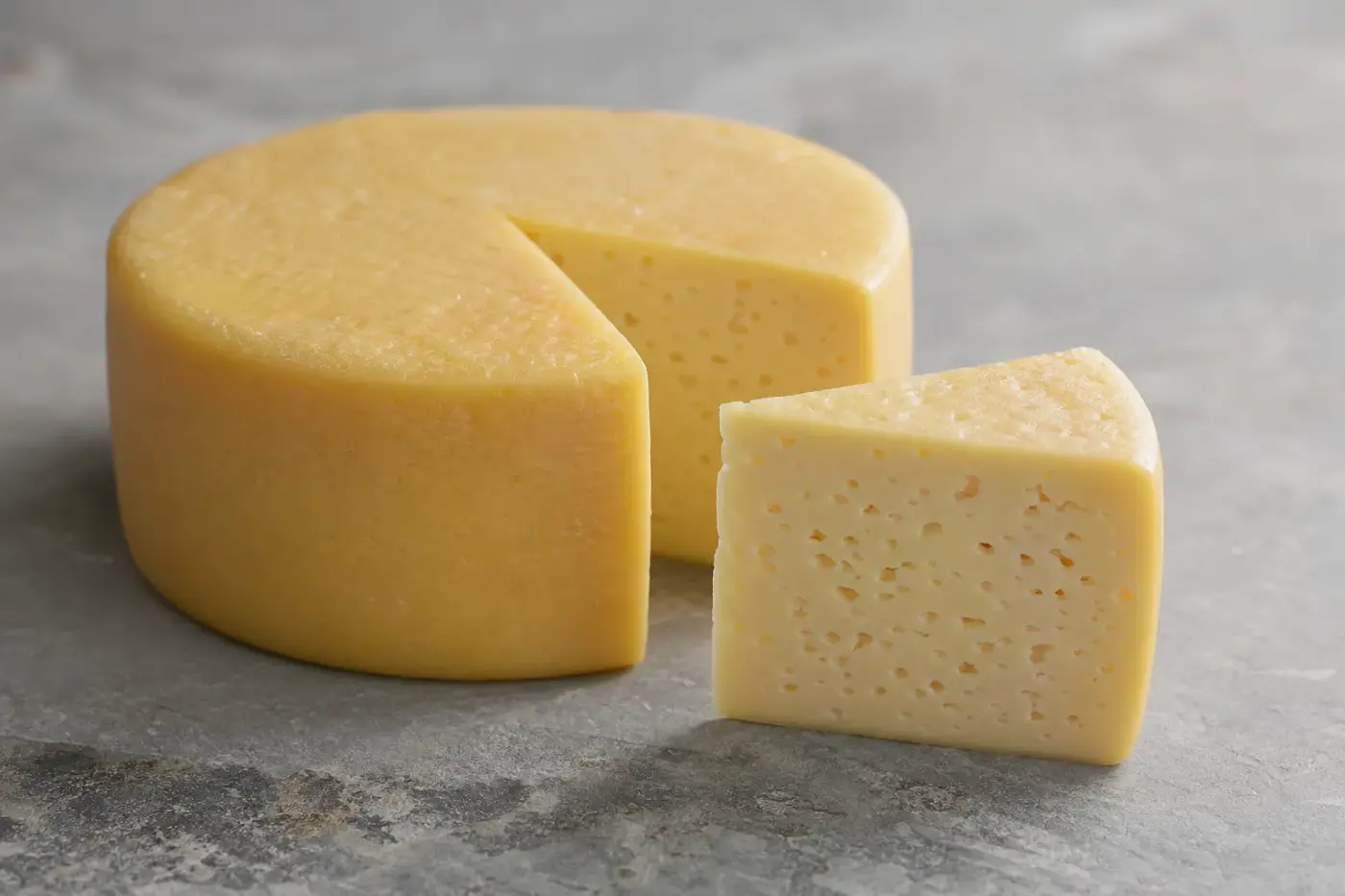
Prästost
Picture a farmer in Småland setting aside particularly good cheese for the church.
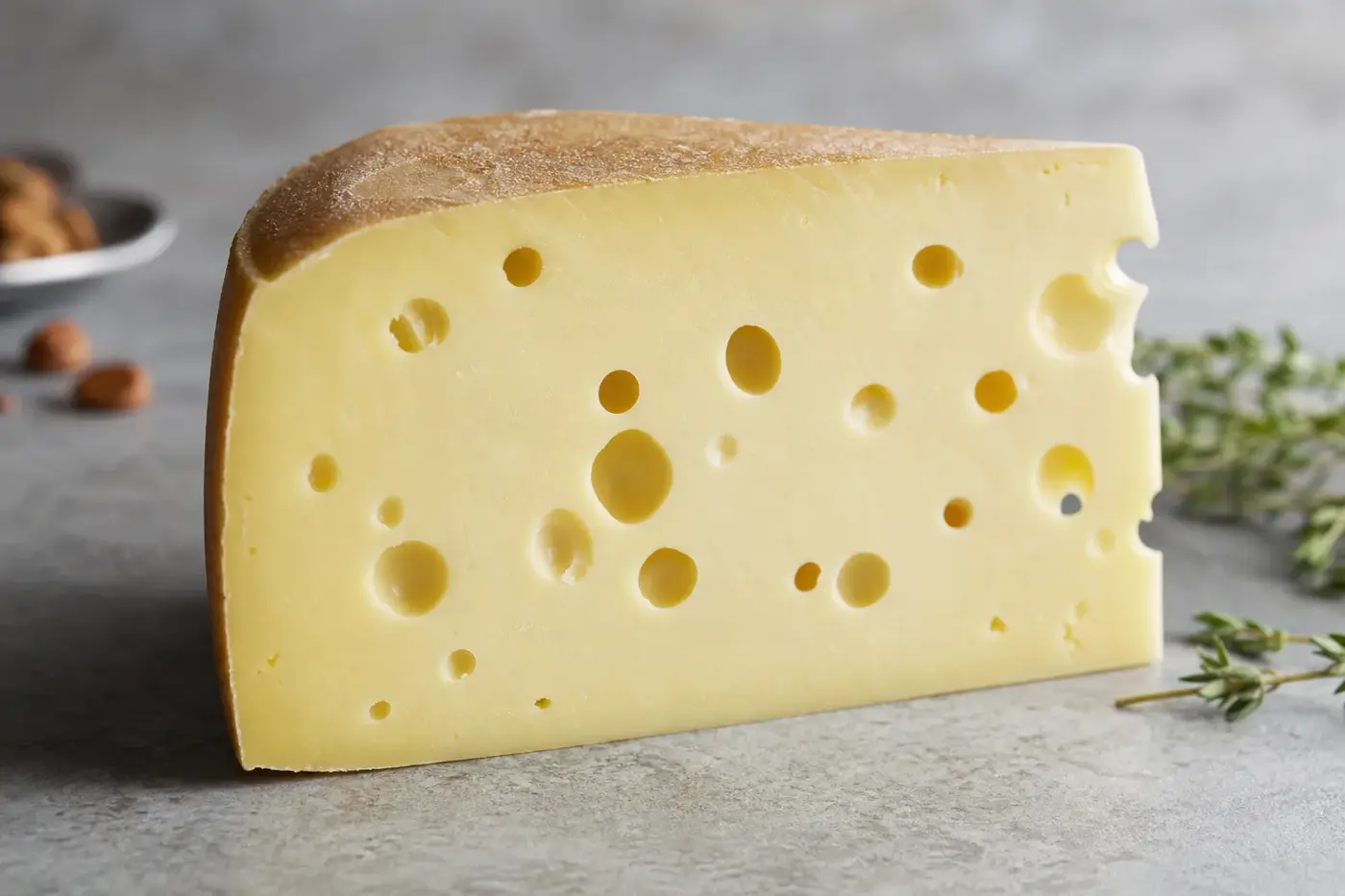
Herrgårdsost
At Marsvinsholm in southern Sweden, a Swiss cheesemaker arrives with a task: make something resembling Emmental.
The editors suggest you read next
French Cheese: The Complete Guide
Picture Normandy’s pastures, then follow the milk towards the Loire’s goat dairies, the Jura’s shared cheesemaking traditions and the sheep country of the Pyrenees.