South African Cheese
Lean towards a ripening Brie at Fairview and the mushrooms arrive before your first bite.
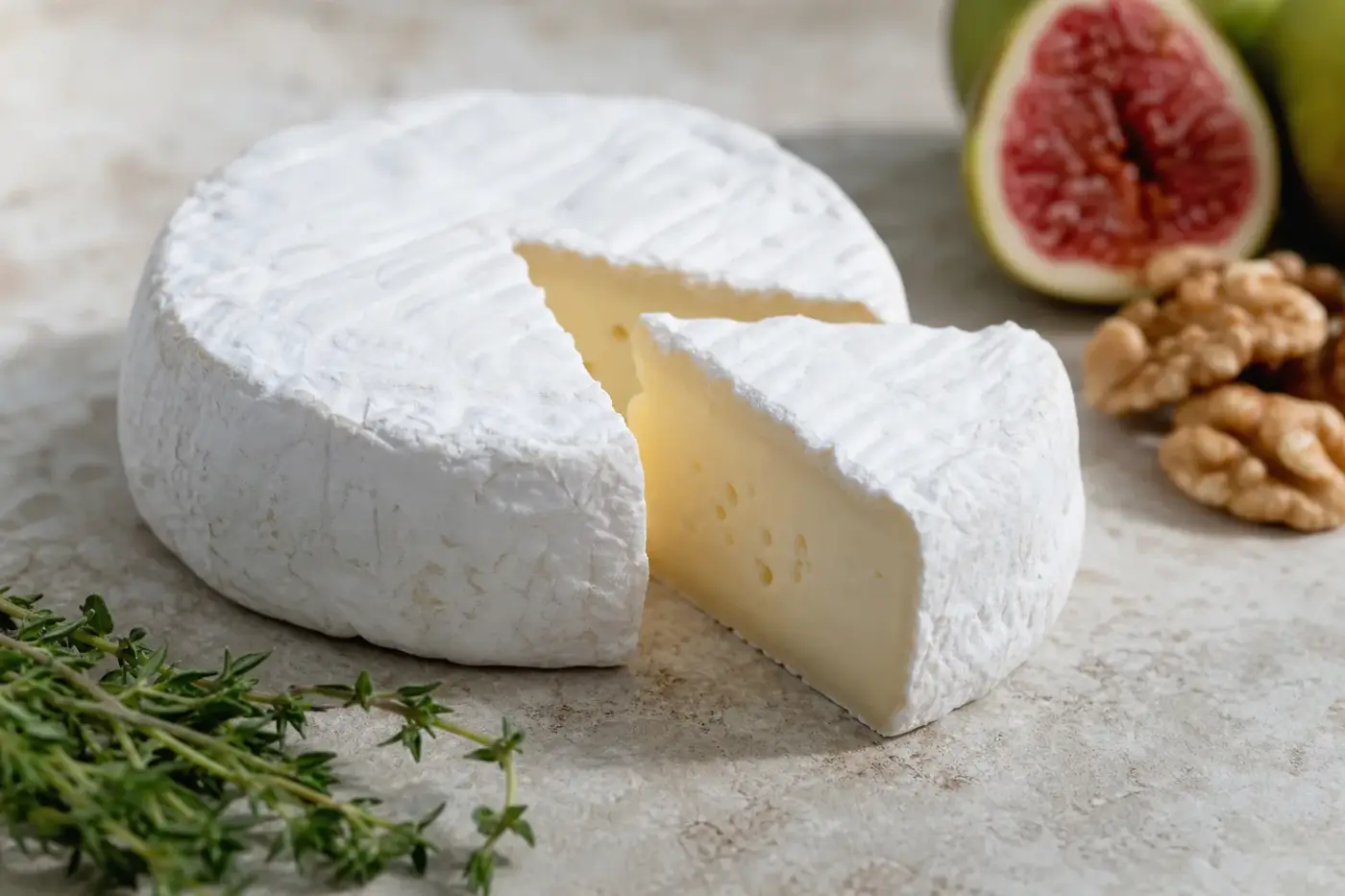
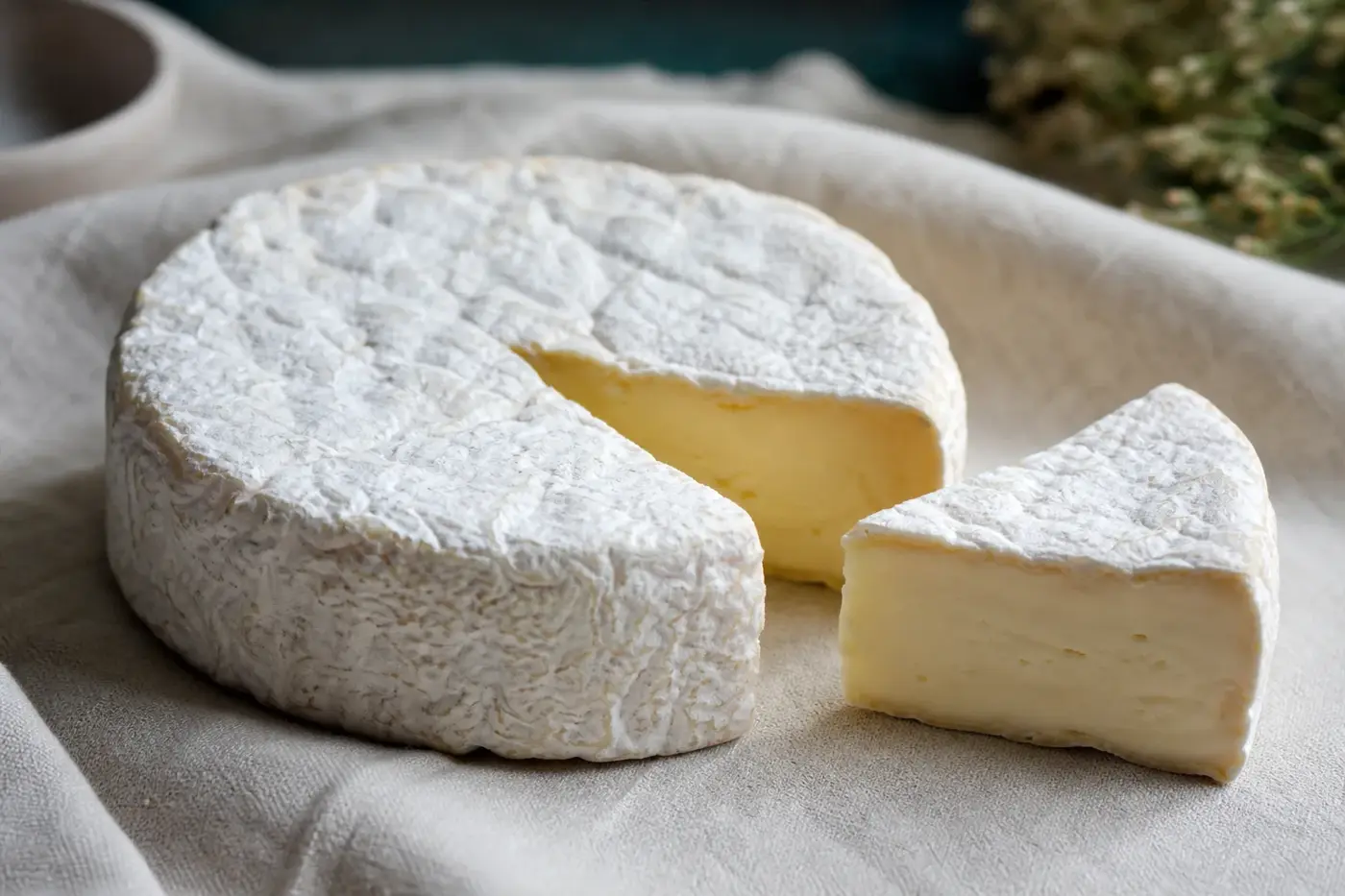
Lean towards a ripening Brie at Fairview and the mushrooms arrive before your first bite. Made with Jersey milk, it starts firm and softens towards the centre as it ripens. Follow that scent and you have a delicious route into South African cheese, from the Cape Winelands to the Eastern Cape’s milk-producing belt and KwaZulu-Natal’s dairy farms. [1][5][6][9][11]
Along the way, you find local fermented-milk traditions alongside European cheesemaking knowledge. Cheddar, Gouda and feta share the stage with white-mould cheeses, blues and artisan creations with names of their own. Your usual shopping list may need a little more room. [1][5][6][9][11]
| Your starting point | What to look for |
|---|---|
| Country | South Africa [2] |
| Significant dairy provinces | Western Cape, Eastern Cape and KwaZulu-Natal, January 2025 producer counts [1] |
| Milks to get to know | Jersey cow’s milk and Saanen goat’s milk [5][6] |
| Styles for your shortlist | Cheddar, Gouda, feta, white-mould cheeses and blues [4][6][9][11] |
| Industry reference | Milk South Africa, an industry organisation [1] |
| Registered cheese GI count | Unspecified |
Begin with a bowl of amasi
Before you reach the cheese counter, spend a moment with the livestock and households behind South African dairy. The government’s historical account describes Khoekhoen pastoralists living largely along the coast some 2,000 years ago, followed by the later arrival of Bantu-speaking agropastoralists. These established food cultures come first, before the European cheese names enter the story. [2]
Then there is amasi, also called maas: thick, sour fermented milk. The Dictionary of South African English traces the word to isiZulu and isiXhosa, recording an 1809 account of travellers obtaining curdled milk in villages. Later quotations bring you closer to the table, showing its place in everyday eating and social life. [3]
Amasi is not cheese, but it belongs here. South Africa’s 2019 dairy regulations place maas, amasi and amazi within cultured milk, separately from cheese. A tub of amasi and a wedge of matured cheese offer you two related, but distinct, ways into the country’s dairy traditions. [4]
Follow the trail from French wine farms to South African goats
A visit to French wine farms helped set Fairview on the path to goat’s cheese. The Paarl company links that venture to the visit and the arrival of Saanen goats in 1980. Behind this farm’s story are longer European connections: Dutch settlement at Table Bay began in 1652, and British settlers arrived at Algoa Bay in 1820. [2][5]
Fairview also records help from an Italian cheesemaker who had settled in South Africa. Jersey cow’s milk cheese production followed in 1995. Dalewood took another route, through dairy-technology study, experimentation and time learning about cheese in France, before putting that knowledge to work on a local farm. [5][6]
When you choose a cheese, look for those individual decisions as well as its ancestry. A French-inspired rind, a Jersey herd and a locally developed recipe can all help explain the same wedge. The dairy’s story often gives you more to savour than the familiar name on the front. [5][6]
Make room for three provinces on your cheese map
Start with the Western Cape, KwaZulu-Natal and the Eastern Cape. Milk SA’s Lacto Data records 299 milk producers in the Western Cape, 182 in KwaZulu-Natal and 164 in the Eastern Cape in January 2025. Those figures count farms, not provincial shares of cheese production. [1]
In the Western Cape, the Winelands bring you close to farm-linked cheesemaking. Fairview calls Paarl home and makes cheeses from Saanen goat’s milk and Jersey cow’s milk. Dalewood places its farm on the Klapmuts to Simondium road, where its own Jersey herd supplies the milk for its cheeses. [5][6]
The Eastern Cape connects milk-producing countryside with larger dairy businesses. Woodlands Dairy’s published range includes First Choice Gouda, South African feta and Camembert. Its catalogue also separates cheese from products explicitly called processed cheese, a useful distinction when you are choosing for your board. [10][11]
KwaZulu-Natal belongs on your map for its substantial recorded population of milk producers. If a cheese is associated with the province, ask for the dairy and production locality. A named maker and a particular product give you more to explore than a regional label alone. [1]
Find your bearings with Cheddar, Gouda and South African feta
Cheddar, Gouda and feta offer an easy comparison with cheeses you already know. Read the origin statement separately from the style name. Give the maker and age as much attention as that familiar big word on the pack.
Cheddar and Gouda can be sold at different ages, so ask how long your particular cheese has matured. The label or maker can help you choose. A familiar name is a starting point, not a promise that every cheese will taste alike.
With feta, begin by asking about the milk. Fairview’s South African feta uses Jersey cow’s milk, with versions containing dried olives or garlic and chilli. The full description tells you the animal, added ingredients and place of manufacture; “feta” has quite enough to do without carrying the whole label. [9]
If those names tempt you further, explore the guides to cheddar, gouda and feta. Then return to the provenance of the pack in your hand.
Follow the mushrooms, white rinds and blue veins
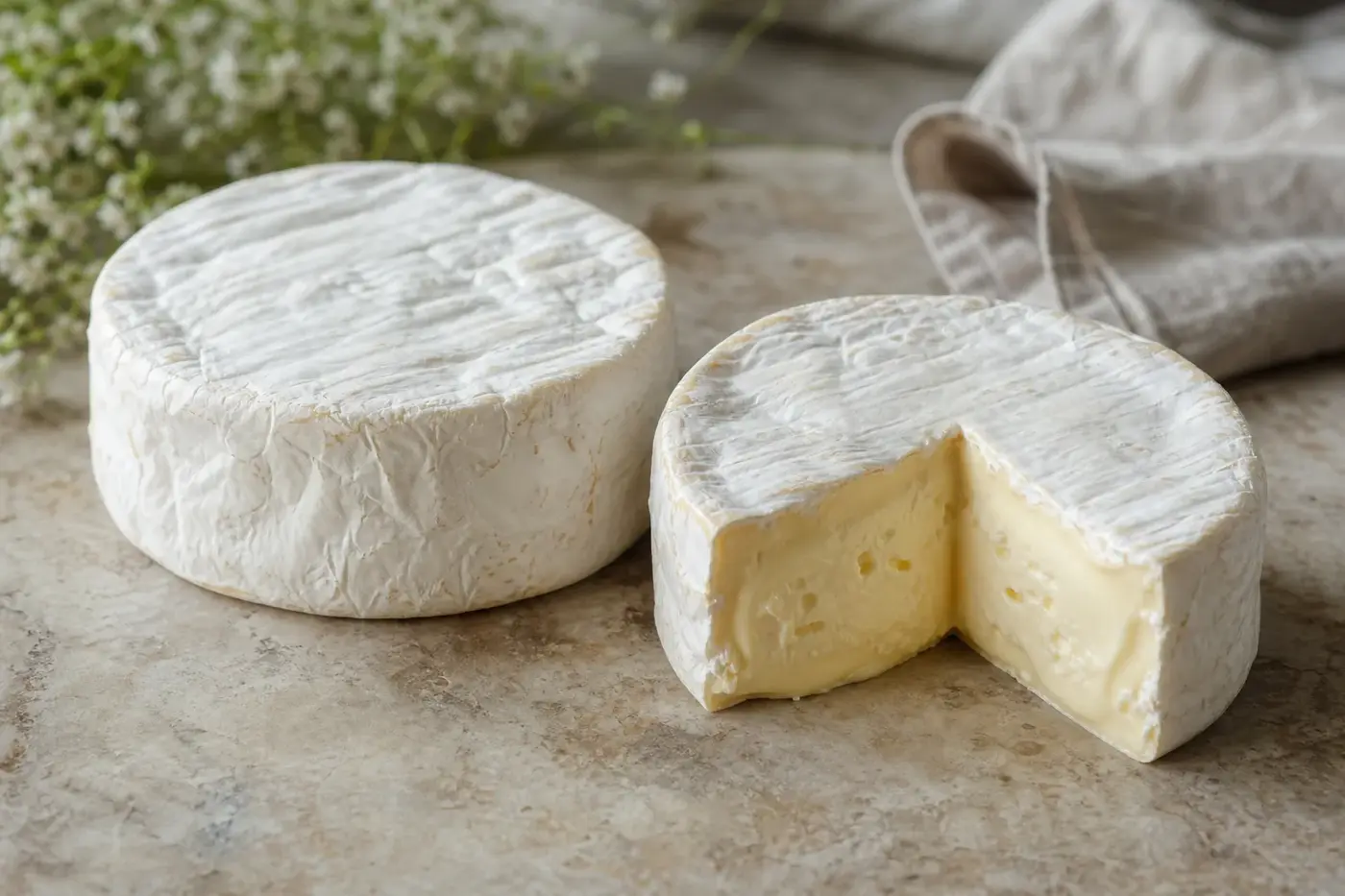
Fairview’s Jersey-milk Brie lets you picture ripening at work. The maker describes its initially firm texture softening towards the centre as a mushroom aroma develops. Its Camembert becomes softer and earthier with age, according to the dairy’s description. [9]
Blue Rock offers a different experience: firm yet creamy, with four to six months of maturation. Fairview explains that mould enzymes act on the cheese’s fats and proteins during that time, developing its characteristic flavour. At the counter, ask about age and condition rather than choosing by colour alone. [9]
Dalewood also makes Brie, Camembert and blue cheeses. Together, these catalogues show you artisan production beyond hard slicing cheeses, taking in surface-ripened and blue-veined forms. For help finding your way between them, turn to the guide to cheese styles. [6]
Meet Huguenot and Lanquedoc by name
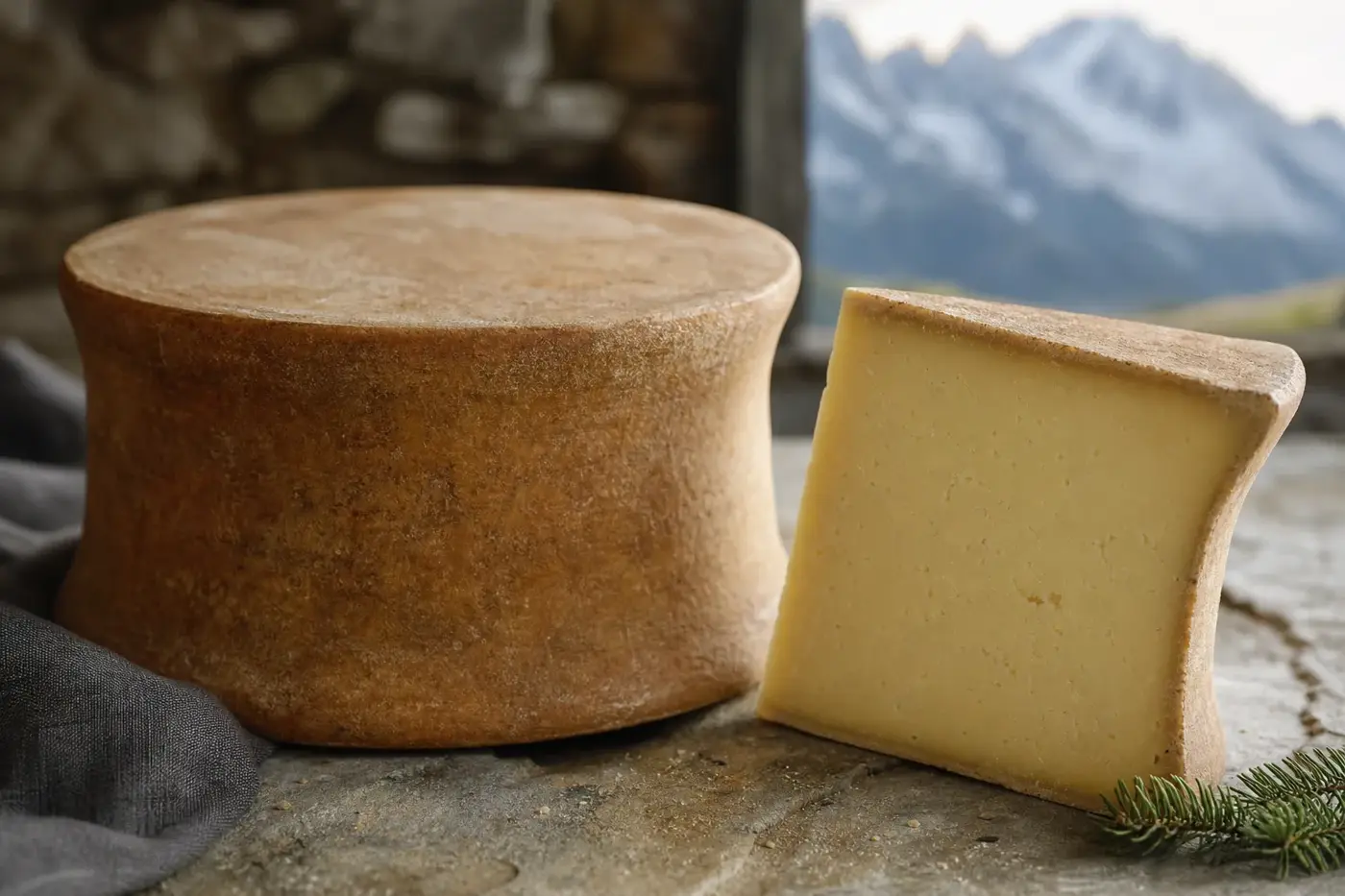
Ready to leave the familiar style names for a moment? Seek out Huguenot, which Dalewood describes as a semi-hard, brushed-rind cheese made from pasteurised Jersey cow’s milk. It matures for at least six months, with the dairy’s tasting notes describing a medium-full character and nutty overtones. [7]
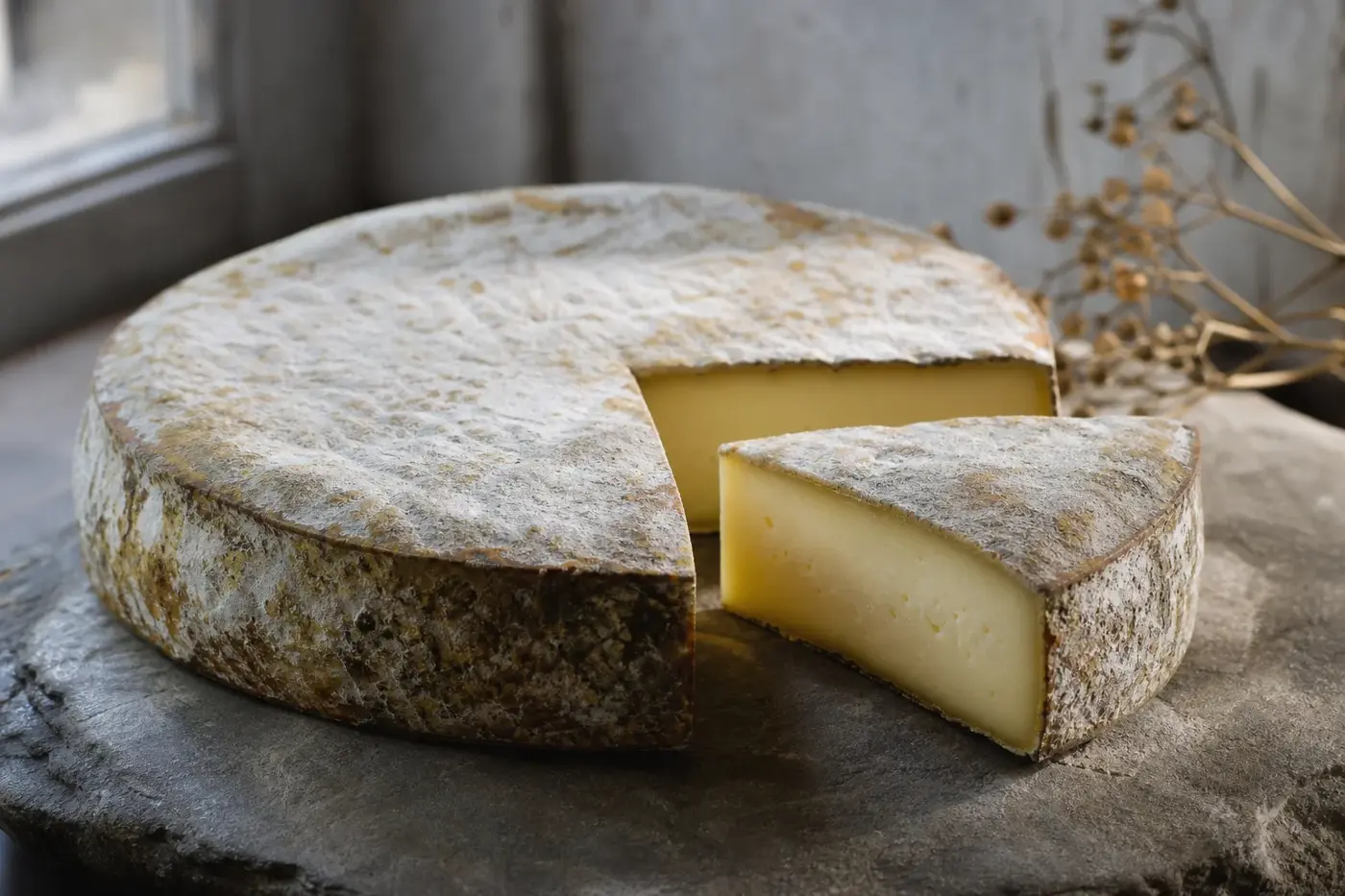
Lanquedoc, from the same farm, takes you in another direction. Dalewood describes a semi-soft, washed-rind cheese with a supple paste and savoury milk and meat notes. Its comparison is bacon and egg, a rather more useful invitation to your imagination than “strong”. [6][8]
Both names bring you back to a particular farm, its published range and its own milk supply. Ask for Huguenot or Lanquedoc by maker to keep that connection clear. “Something South African” opens the conversation; these names take you further into rind, texture, maturation and flavour. [6][7][8]
Let milk, method and age guide your tasting
For a useful comparison, keep three things together: milk, method and age. Dalewood uses milk from its own Jerseys; Fairview’s history records goat’s milk cheeses followed by the addition of Jersey milk. Choose two named cheeses and note all three details, rather than asking milk species to explain everything. [5][6]
Bring the same curiosity to sheep’s milk. A style associated with sheep elsewhere may use different milk in a South African version, as Fairview’s Jersey-milk feta shows. Look for cow, goat or sheep milk, or a blend, instead of guessing from the style name. [9]
To explore climate, ask about farming and maturation. What are the animals fed through the year, and does the milk supply change seasonally? How is the cheese matured?
Compare the documented answers, not just the broad regional promise. You might have an own-herd cheese, a white-rind cheese that softens as it ripens, or a brushed-rind cheese with a stated maturation period. Each gives you something specific to taste and think about. [6][7][9]
That makes a more interesting tasting notebook than a single description of “national flavour”. Is the paste springy, crumbly, firm or supple? Set your impressions beside the labelled age and dairy’s description, keeping milk treatment as a separate entry and the guide to raw, thermised and pasteurised milk nearby.
Get to know the cheese behind the label
Start with the full product name and country of manufacture. Then look for producer, milk species, treatment, added ingredients and age. A South African business address and a European style name tell you different things.
At the counter, ask where the cheese was made and who made it. Find out whether the seller also matured it. Short questions can give you plenty to go on.
Read the food description as closely as the brand, especially online. Woodlands’ catalogue separately lists Full Fat Gouda Cheese and Full Fat Cheddar Flavoured Processed Cheese Slices. They are different products, although a shortened search result can make the distinction easy to miss. [11]
For an individually named artisan cheese, compare the maker’s product page with the pack or counter label. Dalewood’s Huguenot page specifies pasteurised Jersey milk and non-animal rennet. Those details belong to that product; do not assume the same coagulant or milk treatment applies across the farm’s entire range. [7]
Outside South Africa, ask specialist cheesemongers and importers for the dairy and exact cheese name. Within the country, build your shortlist from makers’ published ranges, then confirm the particular product with the seller. Keep the guide to reading cheese labels handy for the other details.
Bring bread, fruit and preserves to the board
Build your first South African board around contrast: a familiar slicing cheese, a soft white-mould cheese and a locally named creation. Add bread from a South African bakery, fresh pears or grapes, and a small dish of fig or apricot preserve. Give yourself enough variety to compare, without losing the cheeses among the accompaniments.
Try pear with the semi-hard cheese, grapes with the white-mould cheese and fig preserve with the blue. Taste each cheese alone first, with plain bread available throughout. Put preserves in separate dishes so you can adjust the balance with every mouthful.
For alcohol-free accompaniments, choose water or unsweetened rooibos. Change one accompaniment at a time. Leave some bread plain so you can return to the cheese on its own between combinations.
Keep the label for your next tasting
Keep the packaging or counter label with your cheese, so its storage instructions stay close. Follow the product’s directions for refrigeration and use after opening. Different South African cheeses need their own instructions, rather than one shelf life applied to them all.
For readers in the United States, the FDA guidance referenced here for November 2026 advises keeping refrigerators at 4.4 °C (40 °F) or below. It advises refrigerating or freezing meat, poultry, eggs, seafood and other perishables within two hours of cooking or purchasing, or within one hour if the temperature outside is above 32.2 °C (90 °F). Consult the current official advice where you live. [12]
Serve a small selection, replenishing it from the fridge as needed. Keep the rest with its identifying label, ready for another comparison. Name, maker and age give you a better starting point than the memory of an anonymous wedge; for more detail, see storing cheese at home.
General information only, not medical advice: follow the official guidance where you live.
Questions people ask
What cheeses are made in South Africa?
South African cheeses include Cheddar, Gouda and feta, as well as Brie, Camembert and blue cheeses. Individually named creations include Dalewood’s Huguenot and Lanquedoc.
Is amasi a cheese?
Amasi, also called maas, is thick, sour fermented milk. South Africa’s 2019 dairy regulations classify it as cultured milk, separately from cheese.
What milk is used in South African feta?
Fairview makes its South African feta with Jersey cow’s milk. It offers versions containing dried olives or garlic and chilli.
What is Huguenot cheese?
Huguenot is a Dalewood cheese made from pasteurised Jersey cow’s milk and matured for at least six months. It has a brushed rind and, according to the dairy, a medium to full character with nutty overtones.
What happens to Fairview Brie as it ripens?
Fairview’s Jersey milk Brie develops a mushroom aroma as it ripens. Its initially firm texture softens towards the centre.
Sources
- Milk South Africa and the Milk Producers’ Organisation. Lacto Data, volume 28, May 2025, distributed under the June 2025 download filename. Table 6 records provincial milk-producer numbers for January 2025.
- South African Government. History, undated online account, retrieved November 2026. Opening historical overview and “European contact”.
- Dictionary Unit for South African English. Dictionary of South African English: maas, amasi, online edition, 2025. Etymology, definition and dated historical attestations.
- South Africa, Department of Agriculture, Forestry and Fisheries. Regulations relating to the classification, packing and marking of dairy products and imitation dairy products intended for sale in the Republic of South Africa, Government Notice R.1510, Government Gazette 42850, 22 November 2019. Regulation 6 and Table 11.
- Fairview. [Cheese history](../topics/cheese-history/), undated company account, retrieved November 2026.
- Dalewood Fromage. About, undated producer account, retrieved November 2026. Farm milk supply, development of the range and published locality.
- Dalewood Fromage. Huguenot, undated product description, retrieved November 2026.
- Dalewood Fromage. Lanquedoc, undated product description, retrieved November 2026.
- Fairview. The Fairview cheese range, undated producer catalogue, retrieved November 2026. Product descriptions and tasting notes are Fairview’s own.
- Woodlands Dairy. Our company, undated company account, retrieved November 2026.
- Woodlands Dairy. Our brands, undated company catalogue, retrieved November 2026.
- US Food and Drug Administration. Safe food handling, online consumer guidance, retrieved November 2026, “Chill”.
Researched from South African industry statistics, official historical and regulatory publications, documented language records and producers’ own accounts; serving combinations are editorial suggestions rather than recorded tastings.
Last checked: November 2026
Last checked November 2026.
The editors suggest you read next
French Cheese: The Complete Guide
Picture Normandy’s pastures, then follow the milk towards the Loire’s goat dairies, the Jura’s shared cheesemaking traditions and the sheep country of the Pyrenees.