Beenleigh Blue
The first bite brings earthy blue notes and a gentle sharpness.
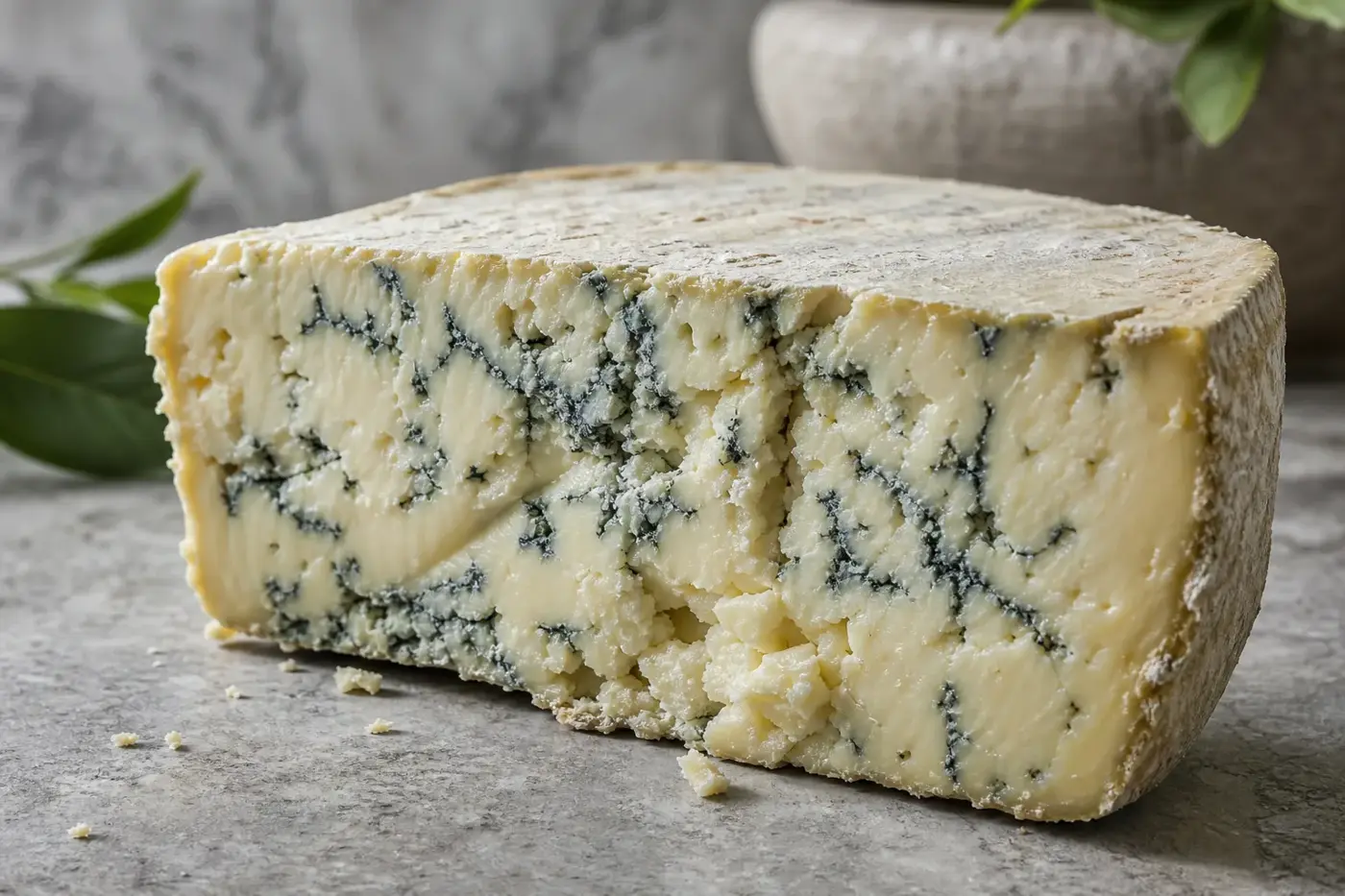
The first bite brings earthy blue notes and a gentle sharpness. Then sweetness lingers, sometimes recalling sherry, according to Ticklemore’s tasting notes. Made from rich sheep’s milk at Ticklemore Cheese Dairy in Ashprington, near Totnes in Devon, Beenleigh Blue gives you a balance of milk sweetness and blue veining worth lingering over. [1,2]
Your first look at Beenleigh Blue
| What you want to know | The detail |
|---|---|
| Maker | Ticklemore Cheese Dairy. [2] |
| Home | Ashprington, near Totnes, Devon, England. [2] |
| Milk and coagulant | Pasteurised sheep’s milk; vegetarian coagulant, declared by Neal’s Yard Dairy. [3] |
| Blue culture | Penicillium roqueforti, listed by Neal’s Yard Dairy. [3] |
| Whole cheese | Approximately 2.56 to 2.93 kg in Neal’s Yard Dairy’s listing. [3] |
| Time to mature | Average age of 6 to 12 months in Neal’s Yard Dairy’s listing. [3] |
| Registered name, authority and ID | Not established here |
| Pregnancy guidance | UK NHS advice on soft blue-veined cheese, November 2026. [13] |
Back to the smallholding where the name began
Beenleigh Blue’s story starts in 1978, according to Ticklemore. Its name comes from the smallholding at Beenleigh, near Totnes, where a cheese dairy and milking parlour were established around 1979. Think of those dates as separate chapters: first the cheese, then the partnership at the place that gave it its name. [1,4]
In the dairy’s retrospective history, the path begins with sheep’s milk yoghurt. Strained yoghurt cheese follows, then blue cheese. The business grew, opening a Totnes shop in 1986 and building the dairy still used today. [4]
The business changed hands in October 2023, Ticklemore says. Its current lead cheesemaker had already worked there since 2002, bringing that long experience through the transfer. One name needs untangling: Ticklemore Cheese Dairy and Sharpham Dairy are separate businesses, although Sharpham’s goat’s milk cheese also carries the Ticklemore name. [2,5]
Unwrap it and follow the sweetness
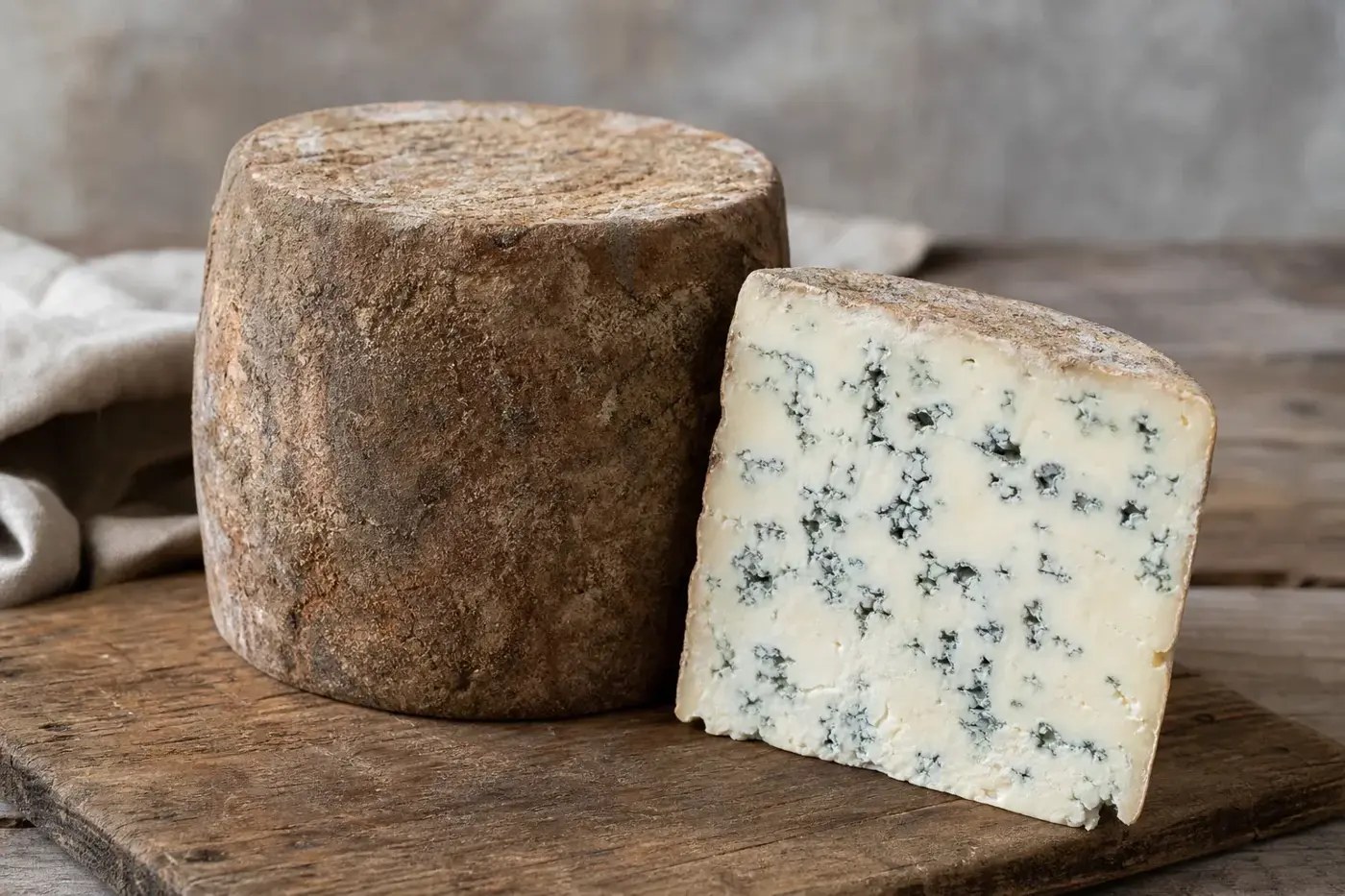
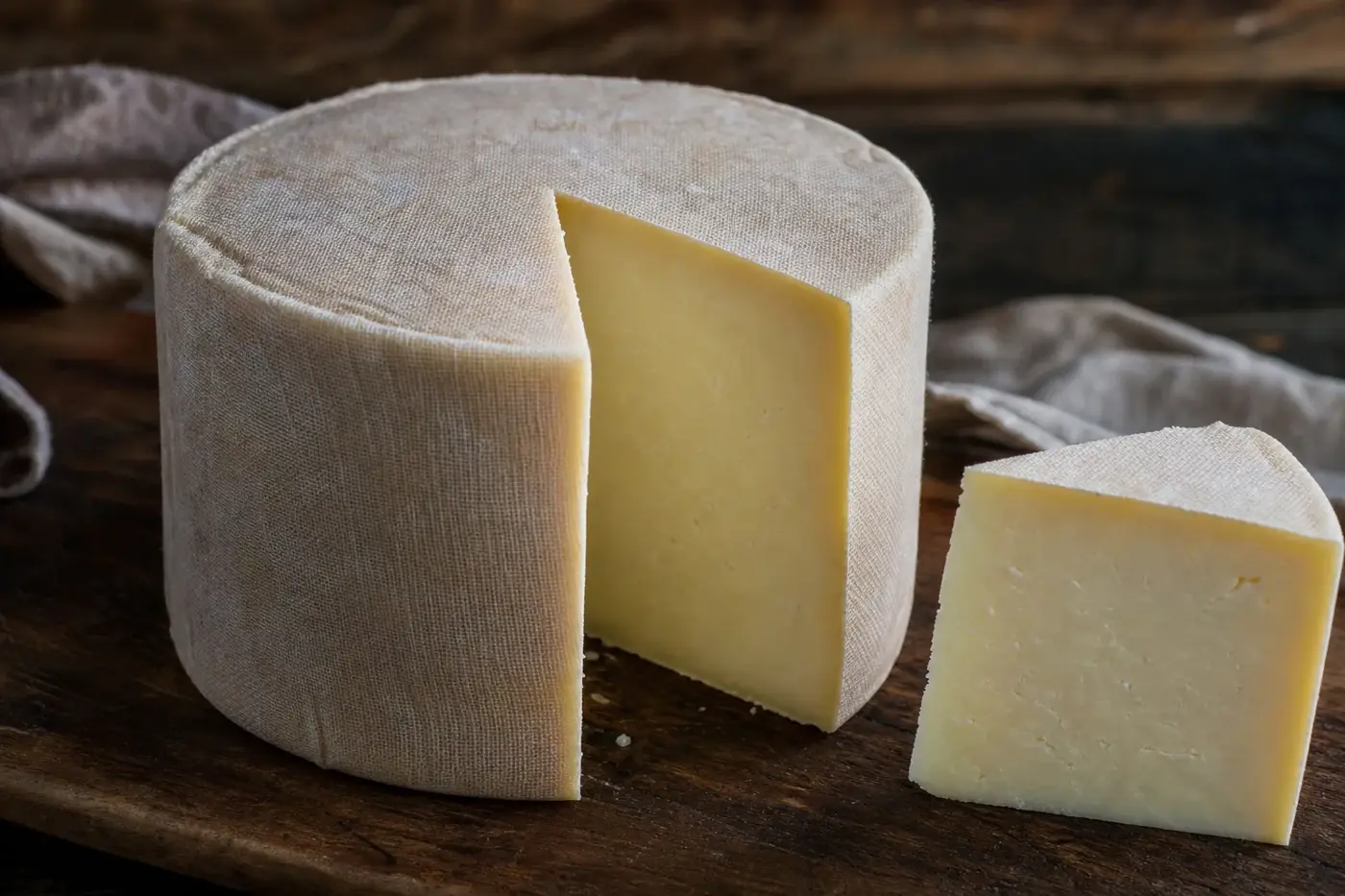
Moist, crumbly, delicately blued and lemony sweet: that is how Neal’s Yard Dairy describes the Beenleigh it selects. If you want details of the cheese’s shape, paste colour and rind, ask for the maker’s current specification. [3]
Give the outside a little attention before you taste. Neal’s Yard Dairy says the cheeses are wrapped after a few weeks to prevent rind development, so expect a restrained outer surface rather than a substantial natural crust. Ask your seller how to handle the exterior of the particular piece you take home. [3]
Ticklemore’s notes describe a smooth body, earthy blue character and lingering sweetness. Let that earthiness guide your first impression of the aroma, then take a slow bite. Does the blue character step forward, or does the sheep’s milk sweetness keep your attention? [1]
How a little air brings out the blue
Neal’s Yard Dairy lists pasteurised sheep’s milk, salt, cheese cultures, vegetarian coagulant and Penicillium roqueforti. The coagulant helps the milk set into curd, the solid part separated from liquid whey. Rennet is a coagulant; you can explore the differences in rennet explained. [3,6]
The basic blue cheesemaking sequence begins with setting the milk and cutting the curd to release whey. Draining, moulding, salting and ripening follow. Errington’s published account illustrates these stages for its own cheeses, including hand piercing after salting. That gives you the general method; Beenleigh follows Ticklemore’s particular recipe. [6]
For Beenleigh, Neal’s Yard Dairy describes moulding and piercing before wrapping. Those piercings let air into the cheese, and oxygen allows the internal blue mould to grow, as the FSA and Food Standards Scotland explain. The veins follow openings inside the cheese. Nobody is standing over a finished wheel with a pot of blue. [3,7]
Sheep’s milk and the rhythm of the seasons
Beenleigh’s current sheep’s milk supply relationship began in 2011. Ticklemore says the supplying farm moved from Somerset to the Exeter area in April 2021. It describes daytime grazing when the weather allows, alongside supplementary feed. The maker credits the change of supplier with bringing new flavour characteristics to the cheese. [1]
The seasons have helped set the dairy’s rhythm. Its historical account describes sheep milking from January to June, while its Devon Blue page says cow’s milk cheese is made throughout the year, fitted around sheep’s and goat’s milk production. That sheep milking calendar describes the dairy’s past working pattern, not today’s availability. [4,8]
At the counter, ask when your cheese was made and how it is tasting now. Milk season and maturation time tell you different things. Ask about the batch’s firmness, blue intensity, sweetness and finish rather than assuming the oldest piece wins. Cheese age is not a competitive sport.
Meet a few neighbours on the blue cheese board
Start with milk and maker when you compare blue cheeses. These four offer useful contrasts, with the details below drawn from the businesses that make or select them. [2,3,9,10]
| Cheese | Milk | What makes it different |
|---|---|---|
| Beenleigh Blue | Sheep’s | Made by Ticklemore in Devon with bought-in milk. [1,2] |
| Lanark Blue | Sheep’s | Made in Scotland from Errington’s own Lacaune flock. [9] |
| Devon Blue | Cow’s | Ticklemore’s year-round cow’s milk blue. [8] |
| Harbourne Blue | Goat’s | Ticklemore’s goat’s milk blue. [10] |
Lanark Blue is your closest comparison here by milk species. Its maker describes a semi-soft texture and earthy, tangy flavour, with a fresher summer character and riper winter character. Its own flock supplies the milk, unlike Beenleigh’s bought-in supply. That gives you another difference to explore in a side-by-side tasting. [1,9]
Devon Blue and Harbourne Blue invite you to try three milk species from one dairy. Ticklemore describes Harbourne as gently blue, sometimes with fruity or coconut notes, while its Devon Blue account emphasises a crumbly texture. Taste for those differences, rather than treating the cheeses as automatic replacements for one another. [8,10]
Have a conversation at the cheese counter
Ask for Beenleigh Blue by name. Then look at the maker, milk treatment, vegetarian declaration and date information on the current label or counter record. A seller who has just cut the cheese can describe that batch, explain its maturation and help you decide whether it suits your serving day.
Choose enough for the meal you have in mind, and bring the storage instructions home too. For counter-cut cheese, record the date and the seller’s advice before you discard the wrapping. How to read a cheese label takes you through the wider labelling questions.
Make room for Beenleigh in the fridge
Keep Beenleigh covered, chilled and separate from raw foods. The FSA home guidance cited here applies to England, Wales and Northern Ireland. It recommends a fridge between 0 and 5 °C (32 to 41 °F), chilled storage for dairy products and following the pack’s instructions. [11]
Blue veining belongs in this cheese; unexpected mould calls for a different assessment. Consult the current guidance from the food safety authority where you live. Use that authority’s current official advice for date label questions too.
For wrapping choices and fridge organisation, see how to store cheese at home. Keep instructions for use after opening with the cheese itself. A general storage guide cannot tell you how much shelf life remains in your particular pack.
Keep it simple with bread, pear and a glass
Start with a modest piece of Beenleigh, plain bread and ripe pear. That keeps your attention on the balance of milk sweetness and blue character. Bread and pear feature among Ticklemore’s own recommendations, so taste the cheese alone first, then with the pear, and see which you prefer. [1]
Bring out only what you intend to eat, leaving the rest refrigerated. Let your portion lose its fridge chill briefly, covered and away from heat. The FSA recommends keeping chilled food out for the shortest possible time, with a maximum of four hours in the guidance cited here. Preparation and display both count towards that time. [11]
For an alcohol free glass alongside, sparkling apple juice offers apple flavour and gentle sweetness. If you want to explore broader principles, turn to cheese and wine pairing.
This page summarises published guidance from the official sources it cites. It is not medical advice. Guidance differs between countries and changes over time, so check the current source for where you live, and ask your doctor, midwife, pharmacist or dietitian about your own circumstances.
Before serving, consider pregnancy and dietary needs
In the UK, the NHS says soft blue veined cheeses should be eaten only when cooked until steaming hot. Read its current pregnancy guidance directly before deciding how to serve your Beenleigh. [13]
Beenleigh contains sheep’s milk, so read the current ingredients and accompanying allergen information. Include anything you serve alongside it: a vegetarian declaration does not answer an allergy question. For the distinction between the conditions, read cheese allergy vs lactose intolerance. [3]
Bring Beenleigh’s blue character into the kitchen
Sauces are among Ticklemore’s recommended uses for Beenleigh. [1] If you are following UK pregnancy guidance, consult the NHS advice on cooking cheese until steaming hot. [13]
Under the FSA home guidance cited above, cool cooked leftovers and refrigerate them within one to two hours. Eat them within 48 hours or freeze them. Those instructions apply to the cooked leftovers, separately from the storage life of your uncooked cheese. [11]
Questions people ask
What milk is Beenleigh Blue made from, and is it vegetarian?
Beenleigh Blue is made from pasteurised sheep’s milk. Neal’s Yard Dairy declares that it uses a vegetarian coagulant.
What does Beenleigh Blue taste like?
Ticklemore describes earthy blue notes, gentle sharpness and a lingering sweetness that sometimes recalls sherry. Neal’s Yard Dairy describes its selected cheese as moist and crumbly, with lemony sweetness.
How long is Beenleigh Blue matured?
Neal’s Yard Dairy lists an average age of six to twelve months. A seller can describe the maturation and character of the batch being cut.
Can I eat Beenleigh Blue during pregnancy?
In the UK, the NHS says soft blue veined cheeses should be eaten only when cooked until steaming hot. Check the current NHS pregnancy guidance directly.
How should I store Beenleigh Blue?
The FSA recommends chilled storage for dairy products and a fridge temperature between 0 and 5 °C. Its home guidance applies to England, Wales and Northern Ireland and advises following the pack’s instructions.
Sources
- Ticklemore Cheese Dairy, Beenleigh Blue, undated, current web version retrieved November 2026. Maker’s account of milk sourcing, first production, character and serving suggestions.
- Ticklemore Cheese Dairy, Ticklemore Cheese Dairy, undated, current web version retrieved November 2026. Maker, address, cheese range and distinction from Sharpham Dairy.
- Neal’s Yard Dairy, Beenleigh Blue, undated, current product listing retrieved November 2026. Declared ingredients, whole-cheese weight, average age, selection notes and production account. Neal’s Yard Dairy sells the cheese and describes its own selection work.
- Ticklemore Cheese Dairy, Our Origins, undated, current web version retrieved November 2026. Retrospective company history, naming and historical seasonality.
- Ticklemore Cheese Dairy, About us, Present, undated, current web version retrieved November 2026. Company’s account of the October 2023 business transfer and cheesemaking continuity.
- Errington’s Barn, Our Cheesemaking Story, undated, current web version retrieved November 2026. Producer’s illustrated account of its own curd formation, drainage, salting, piercing and maturation.
- Food Standards Agency and Food Standards Scotland, The risk to vulnerable consumers from Listeria monocytogenes in blue cheese, version 1.2, May 2023, reference G1000067. Section 4.2 explains internal mould and oxygen supplied by piercing.
- Ticklemore Cheese Dairy, Devon Blue, undated, current web version retrieved November 2026. Cow’s milk sourcing, year-round production and maker’s texture description.
- Errington’s Barn, Lanark Blue, undated, current web version retrieved November 2026. Own-flock Lacaune milk, maker’s texture and seasonal tasting descriptions.
- Ticklemore Cheese Dairy, Harbourne Blue, undated, current web version retrieved November 2026. Goat’s milk and maker’s flavour description.
- Food Standards Agency, How to chill, freeze and defrost food safely, published 18 December 2017, current GOV.UK version retrieved November 2026. Applies to England, Wales and Northern Ireland.
- GOV.UK, Understanding food labelling: Best before and use-by dates, current web page retrieved November 2026. Publication review of the relevant passage remains outstanding, as recorded below.
- NHS, Foods to avoid in pregnancy, current web version retrieved November 2026. UK pregnancy advice on soft blue-veined cheeses and thoroughly cooked cheese.
- Food Standards Agency, Alerts, live index retrieved November 2026. Recall-check limitations are recorded in the evidence log.
Researched from the maker’s published accounts, a selecting cheesemonger’s product declarations, comparison producers’ records and official food safety guidance; no site tasting or dairy visit was undertaken.
Last checked: November 2026
Last checked November 2026.
The editors suggest you read next
West Country Farmhouse Cheddar Cheese
Large pieces of curd turn and stack under the cheesemaker’s hands.