Brazilian Cheese
In a Minas Gerais farmhouse, whey from today’s cheese is already part of tomorrow’s work.
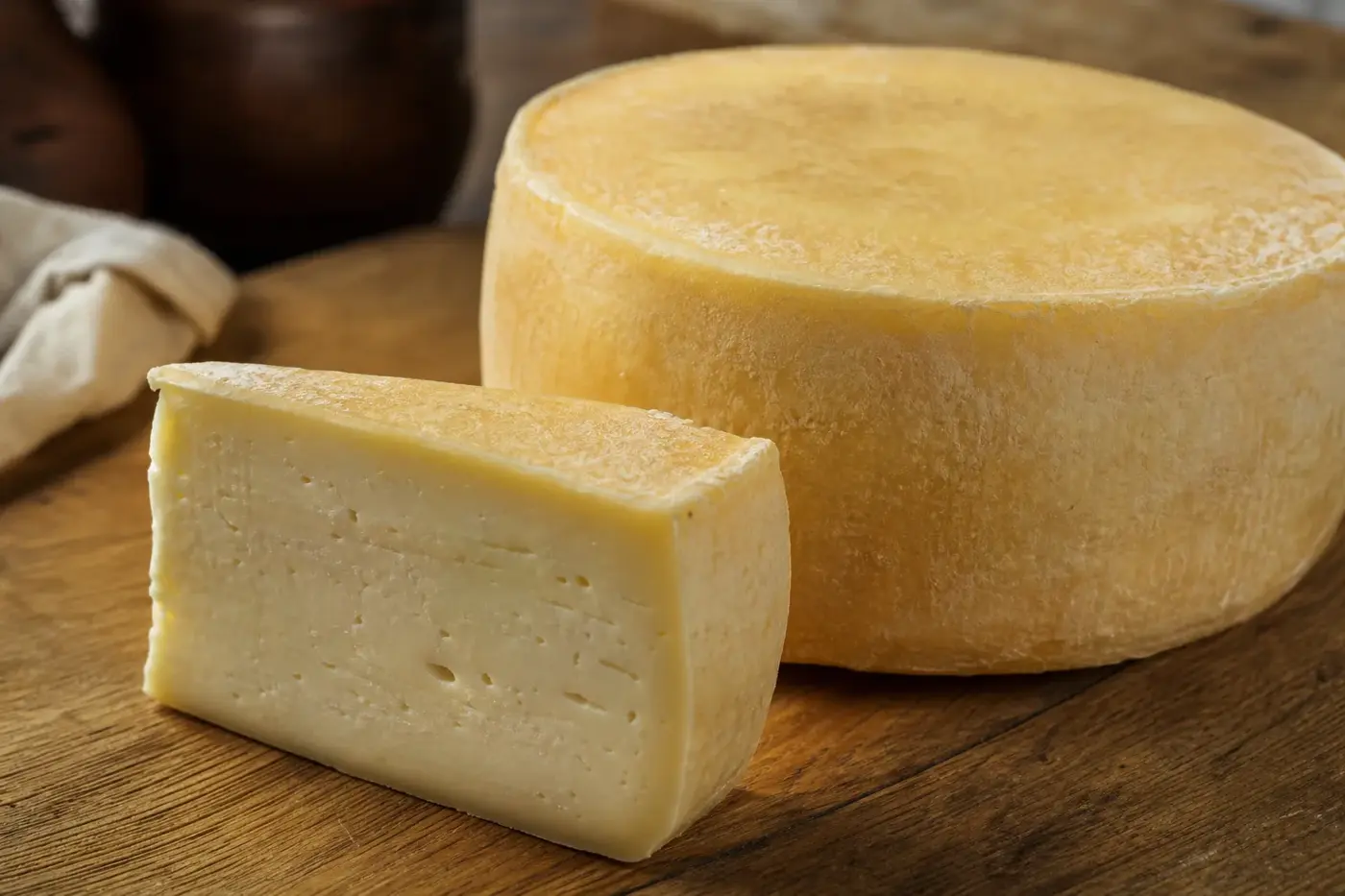
In a Minas Gerais farmhouse, whey from today’s cheese is already part of tomorrow’s work. Makers carry this starter, called pingo, from one batch into the next. Follow it and you find soft, white Minas frescal on everyday tables, coalho and manteiga in the Northeast, and Marajó’s distinctive buffalo milk cheeses in Pará. You are following a country’s regional knowledge, not shopping for one Brazilian style. [1][2][3][4][12]
| Your quick guide to Brazil | What to know |
|---|---|
| Traditions to explore | Fresh and artisanal Minas cheeses; Northeastern coalho and manteiga; Marajó cheeses; southern colonial cheese; requeijão. [1][2][3][4][5][10] |
| The milk behind them | Canastra specifies cow’s milk; Marajó permits buffalo milk or a buffalo and cow’s milk mixture. [2][4] |
| Who registers geographical indications? | Instituto Nacional da Propriedade Industrial, INPI. [6] |
| Protected names to look for | Canastra, Serro and Marajó, registered in Brazil as indicações de procedência. [2][4][6] |
| Complete national count of protected cheese names | No total given here |
| Who oversees federal agricultural inspection? | Ministério da Agricultura e Pecuária, MAPA. [7] |
Let the curd show you around Brazil
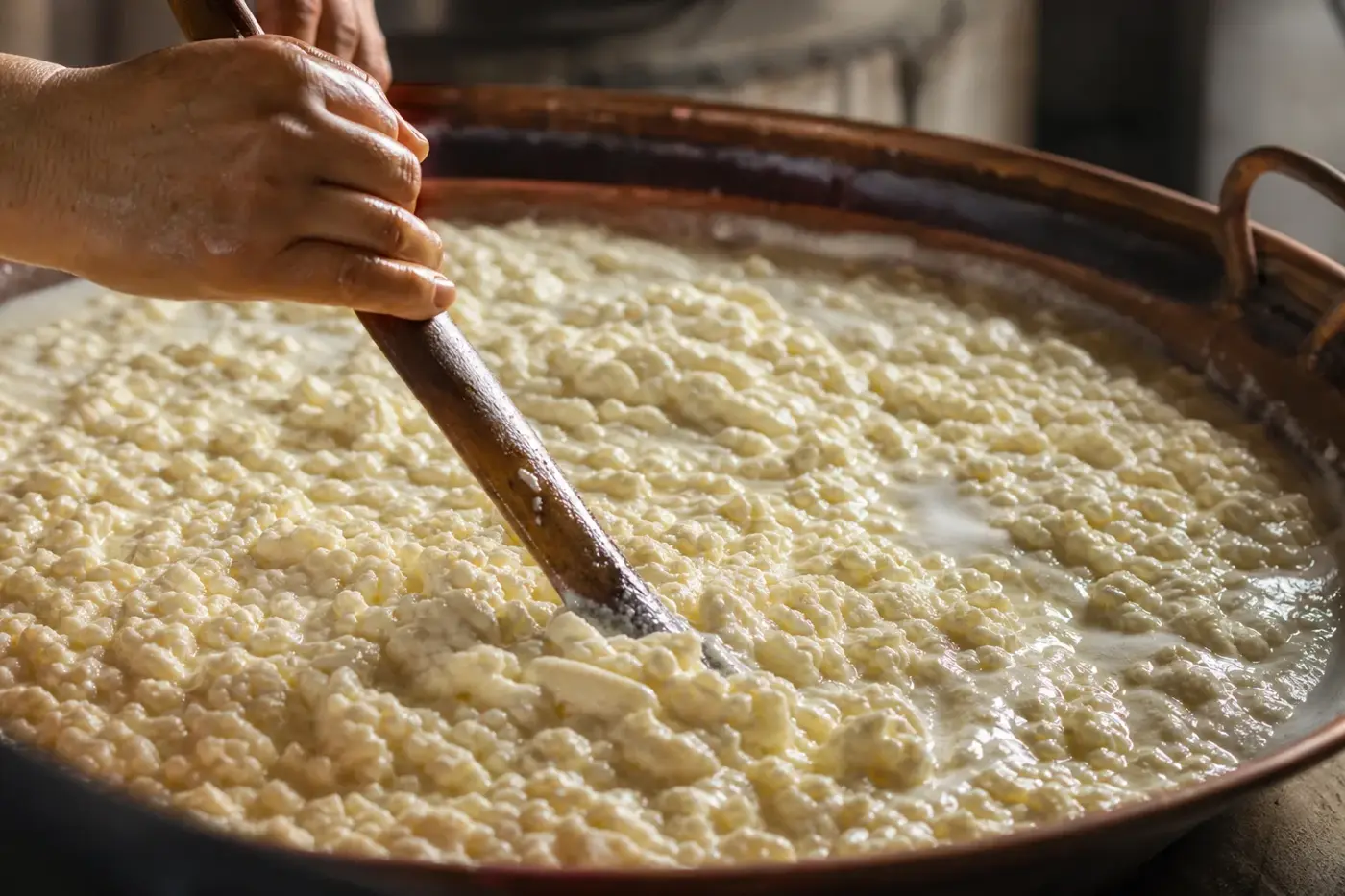
Start with the making, and Brazil’s cheese traditions begin to separate beautifully. Minas frescal is eaten fresh; artisanal Minas cheese develops through maturation. Coalho has a cooked or partly cooked curd, while Marajó’s tradition includes heating and working drained curd with cream or butter. One description of “Brazilian cheese” would have quite a lot on its plate. [1][2][3][4]
The people behind those methods bring different histories, too. In Minas Gerais, family farmhouse production passes knowledge through everyday work. In southern Brazil, colonial cheese tells of immigrant farming communities adapting European cheesemaking habits to local households and dairies. Place shapes the working day as well as the cheese. [5][8]
For your first exploration, choose contrasting methods rather than several similar-looking rounds. Try a fresh Minas cheese, a matured Minas cheese and a cheese intended for grilling: three textures, three different uses. The broader guide to cheese styles helps you find words for the differences.
Minas cheese: will you have it fresh or matured?
Soft, whitish, mild or slightly acidic: Brazil’s legal standard paints a clear sensory portrait of Queijo Minas frescal. Portaria 352/1997, including its amended classification, defines a very high moisture cheese made by enzymatic coagulation, with or without selected lactic bacteria. This is cheese intended to be consumed fresh. [1]
| A legal detail to follow up | Where to look next |
|---|---|
| Current legal milk treatment requirements | Consult the current requirements |
A matured farmhouse round is another proposition, not frescal with a longer wait. Frescal gives you softness and restrained flavour; Canastra develops a rind and a firmer interior through maturation. Leaving fresh cheese to age will not reproduce a matured cheese’s production method. [1][2]
At the counter, then, “Minas” alone tells you too little. Read the full product name, find the producer and place of manufacture, then establish whether it is fresh or matured. If your recipe asks for grated matured Minas cheese, moist frescal changes the ingredient substantially. [1][2][11]
The distinction matters beyond your kitchen. Fresh cheese belongs to Minas Gerais’s cheese culture, but its matured farmhouse traditions have their own story. Give each a little room, and you get a much richer picture.
Meet the families behind Canastra and Serro
On 4 December 2024, UNESCO announced the inscription of Traditional ways of making Artisan Minas Cheese in Minas Gerais on its Representative List of the Intangible Cultural Heritage of Humanity. The recognition reaches beyond a recipe. It embraces the knowledge and practices surrounding production: work that lives through the people doing it. [8]
That work belongs to small rural properties and family working systems. UNESCO’s account takes in pasture and cattle management, cheesemaking, marketing, and learning through observation and daily participation. Hospitality belongs here, too. Getting to know the cheese means getting to know something of the life around it. [8]
Canastra makes that bond between farm and cheese especially clear. INPI’s technical record specifies raw whole cow’s milk produced and processed on the property of origin, alongside pingo, rennet and salt. Rennet is the coagulant that helps turn milk into curd. [2]
Picture a thin yellowish rind, darkening with maturation, around an interior classified as semi-hard but tending towards softness. The record describes the flavour as slightly acidic and not piquant. Take those descriptions to your cheesemonger, then ask about the particular wheel in front of you. [2]
Serro is another registered Minas cheese origin in Brazil. It gives you another name to follow into the region’s farmhouse traditions, rather than treating them as one uniform style. [6]
| More to explore about Serro | Where to look next |
|---|---|
| Production area and specific production requirements | Consult the current specification |
Pingo: tomorrow’s cheese starts today
After salting and the cheese’s first turning, whey drains away. EPAMIG, Minas Gerais’s agricultural research organisation, describes makers collecting this liquid for the next day’s production. Whey is the liquid released from curd; here, it carries pingo, the traditional starter linking one batch of artisanal Minas cheese to the next. [12]
Rather than starting each morning with an entirely new commercial culture, the maker carries forward a microbial community associated with the dairy’s production. EPAMIG identifies pingo as an important contributor to artisanal Minas cheese’s characteristics. The continuity is cultural, but it is practical, too. It is part of the daily work. [12]
Pingo is a fermented whey starter containing a community of microorganisms. Call it simply “yeast” and you might picture a packet of baker’s yeast, which misses the point. Preparing and managing this starter is part of the maker’s technical knowledge. [12]
Ask whether your cheese follows this traditional starter system. Then ask about milk treatment separately: the explanation of milk treatments takes you through raw, thermised and pasteurised milk.
Head Northeast for coalho over heat and manteiga with butter
Coalho roasted on skewers or fried in manteiga de garrafa, the region’s bottled butter: that is the serving tradition in EPAMIG’s published account. Browned and heated, the cheese offers you a direct introduction to its place at the table. Start there, then follow the curd back to its making. [13]
Coalho begins with coagulation. Brazil’s Instrução Normativa 30/2001 defines queijo de coalho through rennet or other suitable enzymes, with optional selected lactic bacteria. A partly cooked or cooked curd follows. [3]
Queijo de manteiga takes another route. Its federal standard describes acid coagulation, draining, washing and fusion of the curd, with added manteiga de garrafa, manteiga da terra or manteiga do sertão. Those butter forms appear in the regulation because they belong to the production method, not merely the serving suggestion. [3]
Try a slice of manteiga with bread to keep the cheese in focus. Set it against coalho’s established heated presentation, and you have a useful contrast. Read the full product name when buying: “butter cheese” and “rennet cheese” describe quite different processes, despite their shared Northeastern home. [3][13]
Marajó: a northern journey through milk, cream and butter
Marajó’s Brazilian geographical indication takes you to seven municipalities: Cachoeira do Arari, Chaves, Muaná, Ponta de Pedras, Salvaterra, Santa Cruz do Arari and Soure. INPI locates this cheese-producing territory in the Campos do Marajó. You are in Pará, in northern Brazil. [4]
Here, the specification recognises two types, creme and manteiga. Both involve heating and fusion of drained curd, with cream or butter distinguishing the products. To understand the cheese on your plate, pay as much attention to that working of the curd as to the milk itself. [4]
Buffalo milk is central to the tradition, but it need not be the only milk involved. The GI documentation permits buffalo milk alone or a mixture with cow’s milk; INPI’s technical record caps the cow’s milk proportion at 40%. All the milk must come from within the delimited area. [4]
Your best introduction is on the label. Is this creme or manteiga, and is the milk entirely buffalo or mixed? Those answers tell you more than a comparison with mozzarella. Sharing buffalo milk does not mean sharing a method, let alone an identity. [4]
Queijo colonial: making a home in southern Brazil
Late nineteenth-century Italian immigration helped shape queijo colonial in southern Brazil. A technical publication from Rio Grande do Sul links its development particularly to families bringing cheesemaking habits into new rural households. Familiar practices found a new home in farming settlements, adapting along the way. [5]
Women’s work mattered in early household production, the publication records. If “colonial” catches your eye in English, the name refers to the agricultural colonies where the cheese developed. That small distinction gives you a clearer way into its history. [5]
Production later grew beyond the family table. The same account describes today’s range, from household making to dairies of different sizes. Both raw milk traditions and pasteurised milk production appear within it, so the name alone cannot tell you how your cheese was made. [5]
Begin with the maker, then ask about milk and maturation. Colonial gives you a regional and historical starting point, not a complete specification of flavour or milk treatment. Its story of settlement, adaptation and continuing production takes different forms in individual dairies. [5]
Requeijão: get to know the name on the pack
Portaria 359/1997 gives requeijão a specific federal identity and quality regulation in Brazil. When you are choosing a product, that makes the name worth a closer look. [10]
| More to explore about requeijão | Where to look next |
|---|---|
| Current legal requirements and texture differences within the requeijão family | Consult the current regulation |
Start with the legal name of the food, rather than the brand or the description on the front of the pack. Requeijão sits alongside other regulated processed cheese products. The legal name helps you distinguish neighbouring categories before making assumptions about what is inside. [7][10]
The cheese label guide helps you find and interpret it. Establish exactly which product you have in front of you first. Understanding the cheese starts with that small, useful detail.
Make room for pão de queijo and Romeu e Julieta
Grated matured Minas cheese appears in a pão de queijo preparation published in the Minas Gerais Legislative Assembly’s food collection. Pão de queijo brings cheese together with cassava starch, called polvilho. The collection describes versions using sweet starch, sour starch or both. [11]
The cheese goes into the dough, so your choice matters to the preparation itself. A recipe calling for matured cheese means a different ingredient from fresh Minas frescal. Follow the named cheese and texture: “Minas” on both labels does not make them interchangeable. [1][11]
Romeu e Julieta brings you a simpler meeting: cheese and goiabada, the firm guava sweet or paste. Brazilian food writing documents the pairing in desserts and filled pão de queijo, too. There is more than one way to bring the two together, should your cheese need further company. [15]
Taste each component separately, then try them together. Put a small piece of guava paste beside your cheese and adjust the balance as you eat. Let the fruit’s sweetness complement a milder cheese without overwhelming it, exploring the contrast one mouthful at a time.
Choose for the job, then taste the differences
First, decide what you want your cheese to do. Choose Minas frescal for a soft, mild slice, matured Minas cheese for rind and maturation, or coalho for its established heated presentation. With Marajó, choose between the creme and manteiga traditions. These distinctions help you narrow the choice before comparing individual makers. [1][2][4][13]
For a tasting, put the milder fresh cheese before the matured one. Notice firmness, acidity and how the texture changes as you chew. Keep bread and water alongside, then try guava paste separately. Different regional cheeses need not match in intensity to make an interesting plate.
For storage, follow the product’s stated conditions, including its instructions after opening. Brazil’s Anvisa advises a refrigerator below 5 °C (41 °F), with foods in their original packaging or clean, closed containers. It also directs you to observe manufacturers’ after-opening instructions and expiry dates. [16]
| Storage guidance reference | Date |
|---|---|
| Brazilian guidance | November 2026 |
Keep the label when cheese is cut or repacked. Its identity and storage instructions should travel with it, rather than disappear with the wrapping. The guide to storing cheese at home covers handling different formats.
Know your origins, and keep milk rules separate
Canastra, Serro and Marajó are recognised production origins under Brazil’s indicações de procedência. INPI records the names and identifiers below for the cheeses discussed here. The Brazilian registration reference date is November 2026. [2][4][6]
| Name on the register | Brazilian register ID | Key registration dates |
|---|---|---|
| Canastra | IG201002 | Granted 13 March 2012; amendment granted 17 September 2024. [2] |
| Serro | No identifier given here | Listed among INPI’s granted geographical indications. [6] |
| Marajó | BR402018050007-0 | Granted 23 March 2021. [4] |
Canastra’s amended record includes eight municipalities, among them São João Batista do Glória. Older descriptions of production areas can linger. If you want to know where a cheese may be made, turn to the current record. [2]
Origin recognition and sanitary inspection answer different questions. Federal Law 13.860/2019 defines artisanal cheese around traditional methods, territorial or cultural connections and good practices. It connects raw milk cheese maturation with the production process and the characteristics of the variety. [17]
| Federal rules to follow up | Where to look next |
|---|---|
| Current Brazilian requirements for inspection and sale of artisanal raw milk cheese | Consult the current requirements for the full position. [17][18] |
When choosing, establish the producer, origin, milk treatment and inspection identification separately. Together, they tell you more than “artisanal” alone. They also leave room for Brazil’s full cheesemaking breadth: fresh and matured, pasteurised and farmhouse, with distinct traditions you can discover on their own terms.
General information only, not medical advice: follow the official guidance where you live.
Questions people ask
What is pingo in Brazilian cheesemaking?
Pingo is a fermented whey starter containing a community of microorganisms. In artisanal Minas cheesemaking, whey collected after salting and the first turning is used in the next day’s production.
What is the difference between Minas frescal and matured Minas cheese?
Minas frescal is a soft, whitish cheese intended to be eaten fresh. Matured Minas cheese develops a rind and a firmer interior, and it is not simply frescal kept for longer.
How is queijo de coalho served?
EPAMIG describes coalho roasted on skewers or fried in manteiga de garrafa, the region’s bottled butter. Its production involves a partly cooked or cooked curd.
Is Marajó cheese always made entirely from buffalo milk?
No. The geographical indication permits buffalo milk alone or a mixture with cow’s milk, with cow’s milk making up no more than 40%.
How should Brazilian cheese be stored?
Brazil’s Anvisa advises keeping the refrigerator below 5 °C and storing food in its original packaging or in clean, closed containers. It also advises following manufacturers’ instructions after opening and observing expiry dates. Check the current guidance from Anvisa.
Sources
[1] Ministério da Agricultura. Portaria 352, de 4 de setembro de 1997: Regulamento Técnico para Fixação de Identidade e Qualidade do Queijo Minas Frescal, including the classification amended by Instrução Normativa 4/2004. Official ministry reproduction.
[2] INPI. Ficha técnica de registro de indicação geográfica: Canastra, incorporating the amendment granted on 17 September 2024. Registration, production area, ingredients and sensory description.
[3] Ministério da Agricultura. Instrução Normativa 30, de 26 de junho de 2001, Annex II, queijo de coalho, and Annex III, queijo de manteiga.
[4] INPI. Ficha técnica de registro de indicação geográfica: Marajó, registration granted 23 March 2021; Caderno de especificações técnicas: IG Marajó, 2021.
[5] Secretaria da Agricultura, Pecuária, Produção Sustentável e Irrigação do Rio Grande do Sul. Technical circular on queijo colonial, Circular Técnica 28, official PDF posted in 2025, introduction.
[6] INPI. Fichas técnicas de indicações geográficas. Official index of granted Brazilian geographical indications, edition retrieved November 2026.
[7] Ministério da Agricultura e Pecuária. Legislação em inspeção de produtos de origem animal. Regulatory index, edition retrieved November 2026.
[8] UNESCO. Traditional ways of making Artisan Minas Cheese in Minas Gerais, nomination file 02102, inscription 2024; UNESCO announcement dated 4 December 2024.
[9] INPI. Serro: caderno de especificações. Official specification retrieved November 2026. The scanned document requires further passage verification before publication of specification details.
[10] Ministério da Agricultura. Portaria 359, de 4 de setembro de 1997: Regulamento Técnico para Fixação de Identidade e Qualidade do Requeijão ou Requesón. Official PDF retrieved November 2026.
[11] Assembleia Legislativa de Minas Gerais. Nossa comida tem história, “Pão de queijo”, p. 77, publication available through the Minas 300 collection.
[12] Governo de Minas Gerais, reporting EPAMIG research. Epamig estuda a qualidade dos pingos utilizados na fabricação dos queijos artesanais de Minas. Edition retrieved November 2026.
[13] EPAMIG. Agroindústria: leite e derivados. Published technical collection, section discussing queijo de coalho and its consumption.
[15] Superinteressante. Como começaram a chamar queijo e goiabada de Romeu e Julieta? Retrieved November 2026. Used only to document the cheese and guava pairing, not to establish its origin.
[16] Anvisa. Vigilância sanitária: guia didático, “Para conservar bem os alimentos”. Official digital library edition, retrieved November 2026. Source URL: Not verified.
[17] Brasil. Lei 13.860, de 18 de julho de 2019. Official text and MAPA legislation repository, retrieved November 2026.
[18] Brasil. Decreto 11.099, de 21 de junho de 2022, published 22 June 2022, particularly Article 2. Official gazette reproduction supplied by MAPA.
Researched through Brazilian register records, agricultural regulations, public research publications and UNESCO documentation, with unresolved publication checks recorded below.
Last checked: November 2026
Last checked November 2026.
The cheeses of Brazil
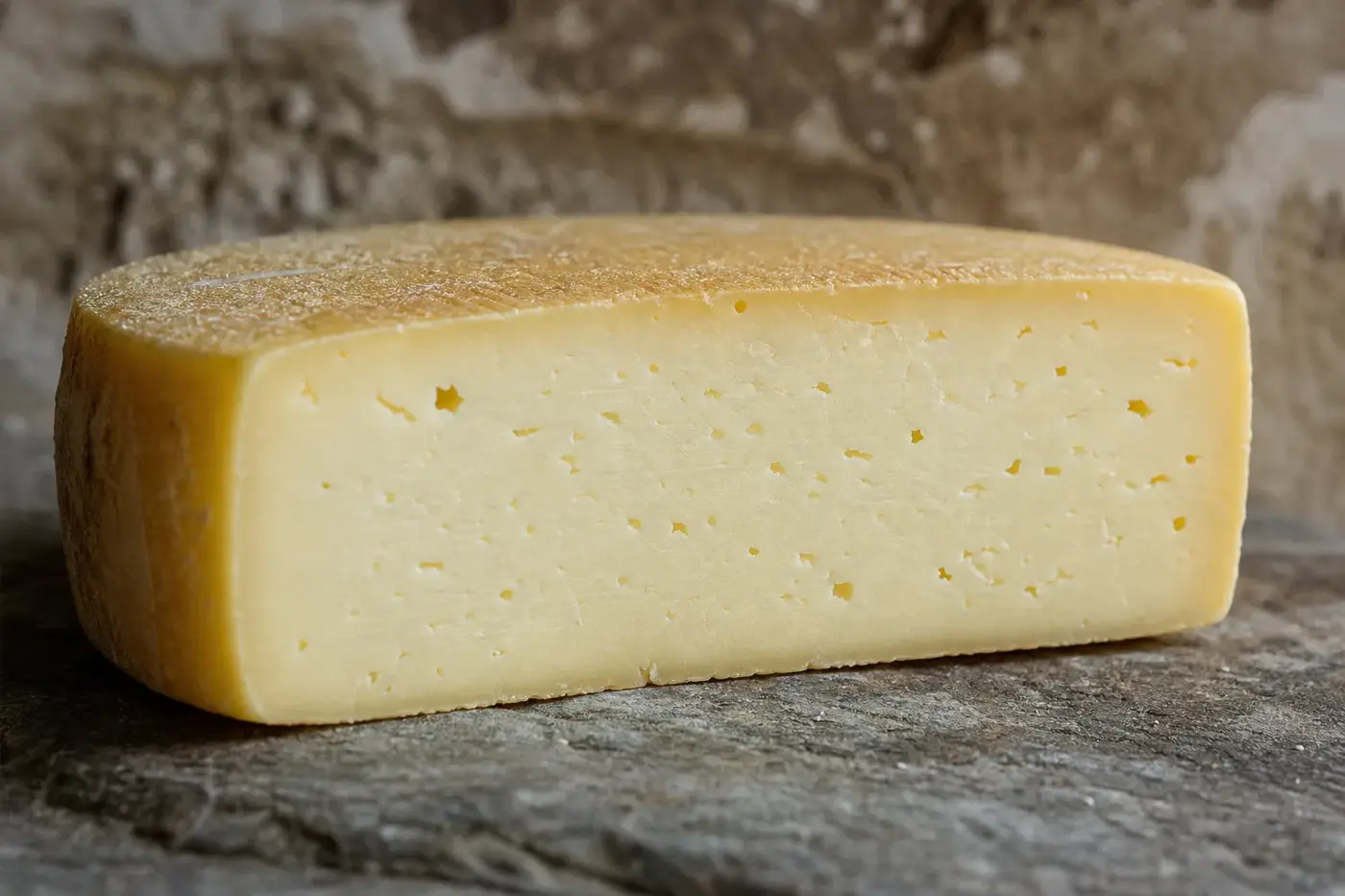
Queijo Canastra
Whey drains from today’s cheese.
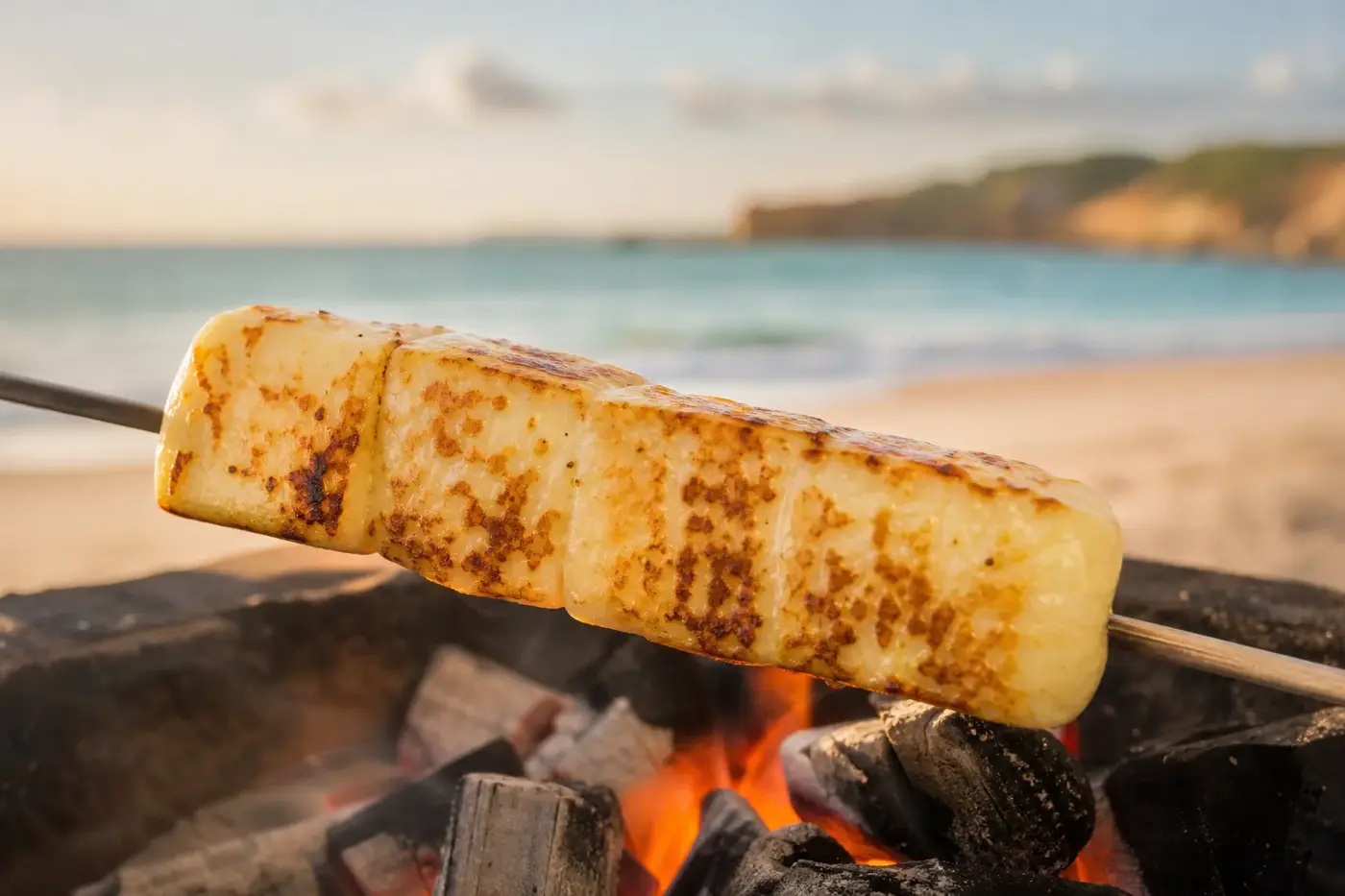
Queijo Coalho
At Recife’s Boa Viagem beach, queijo coalho browns over embers, its centre still firm and yielding.
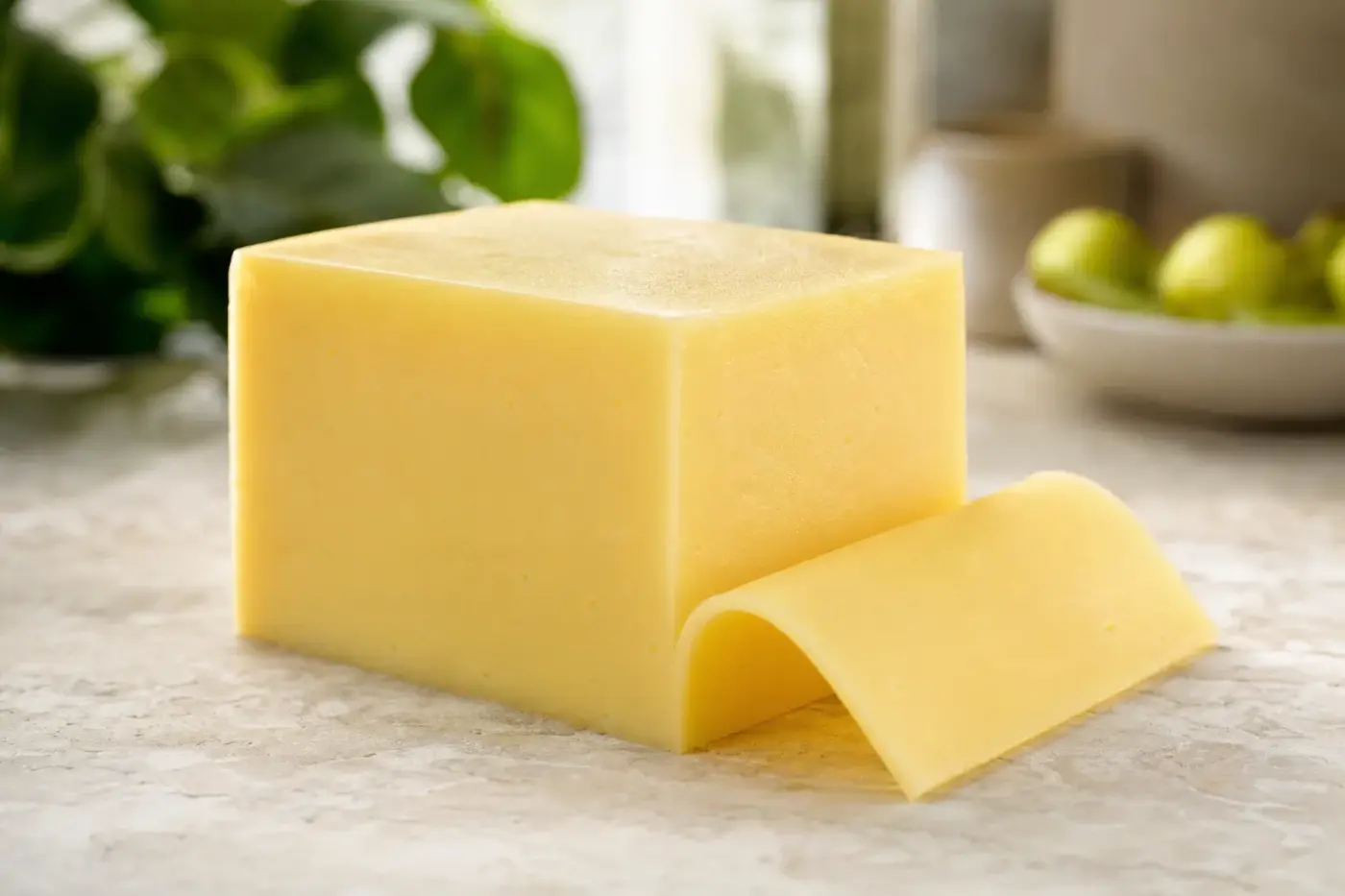
Queijo Prato
Bread toasts, a slice of Prato softens, and you have queijo quente, Brazil’s toasted cheese sandwich.
Queijo do Marajó
At the pan, fermented curd meets cream or butter for one last cooking: fritura.
The editors suggest you read next

French Cheese: The Complete Guide
Picture Normandy’s pastures, then follow the milk towards the Loire’s goat dairies, the Jura’s shared cheesemaking traditions and the sheep country of the Pyrenees.


