Cheeses of Northern Italy
Break into Grana Padano and watch it fall into flakes.
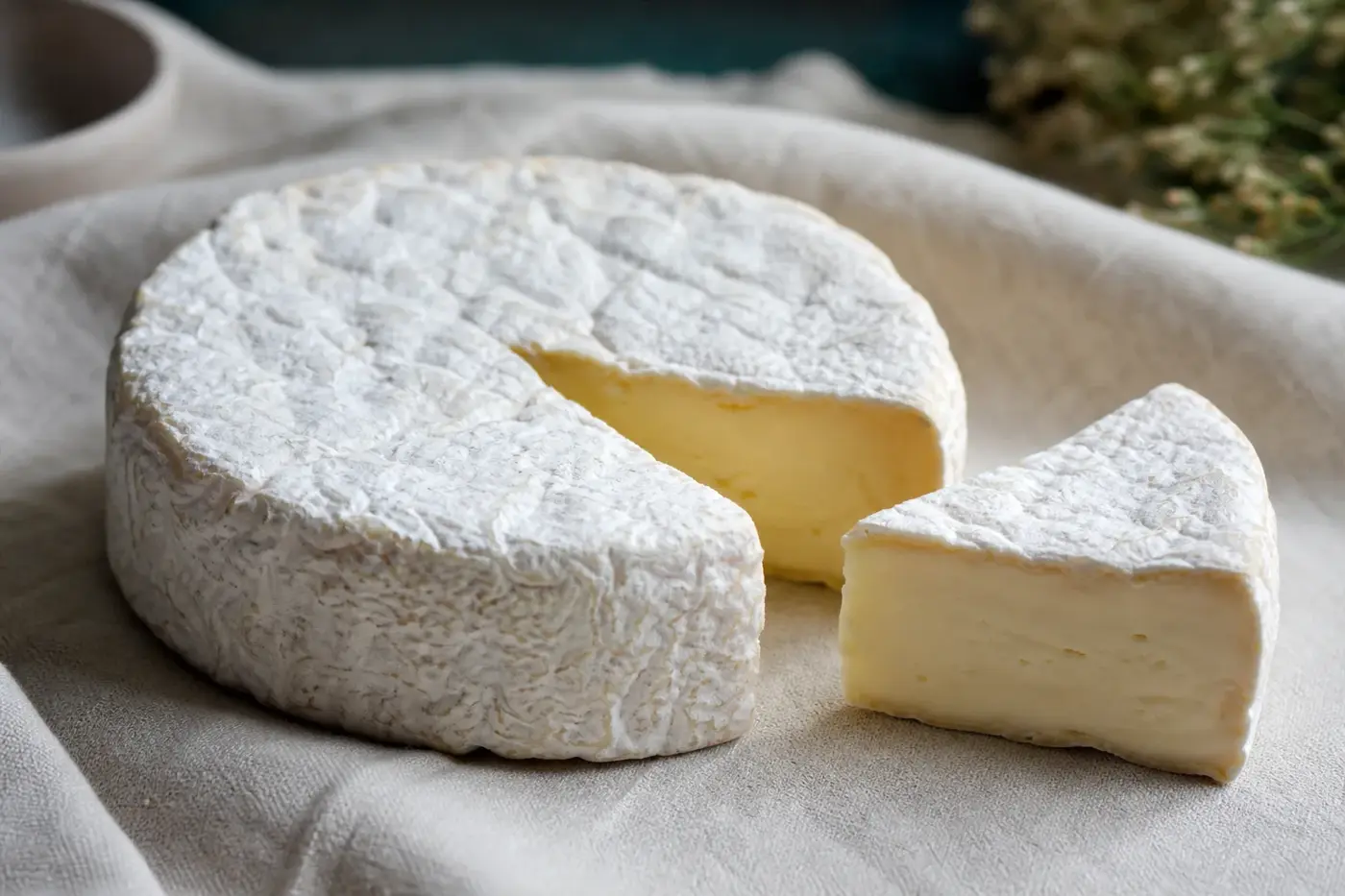
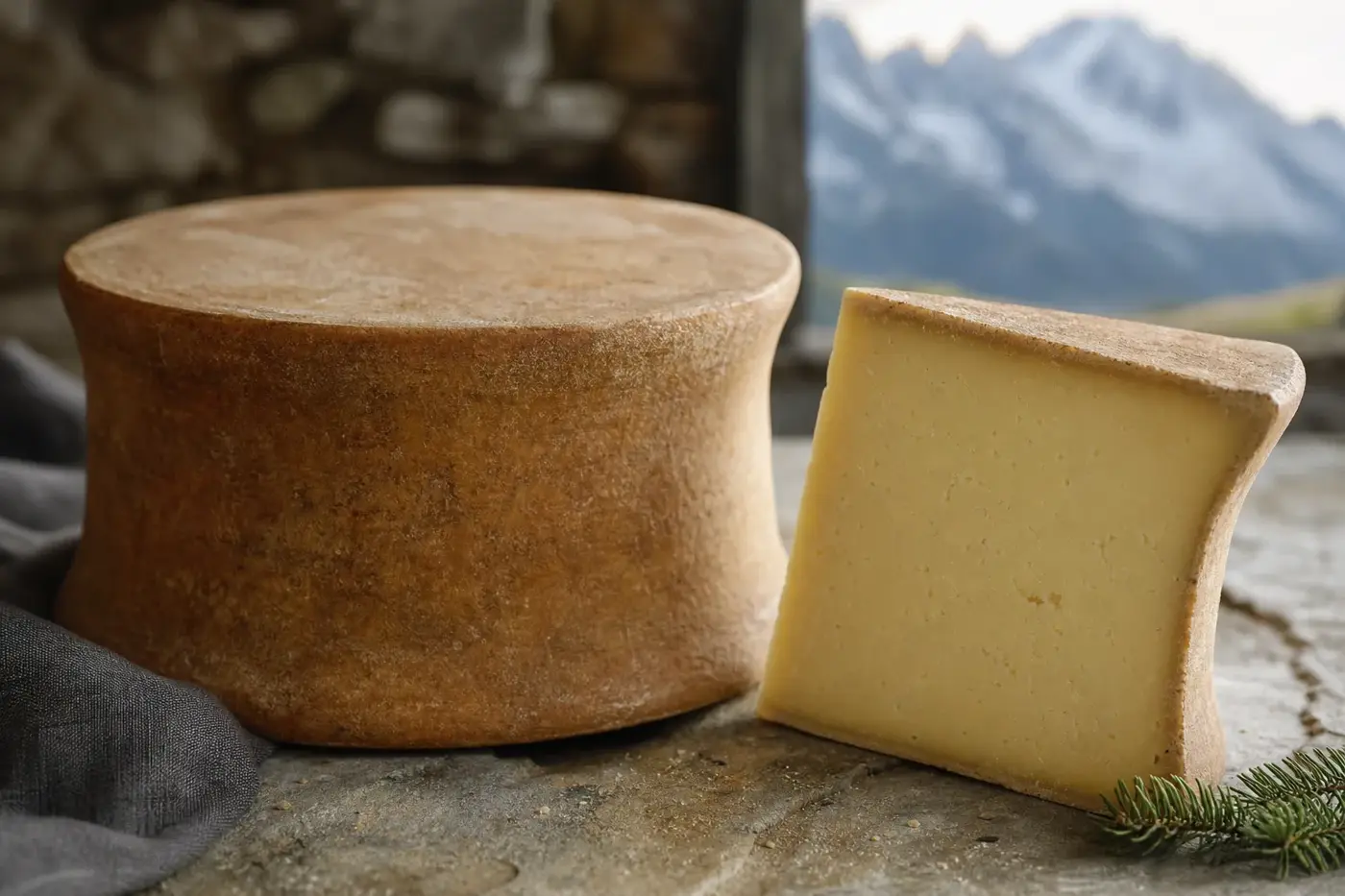
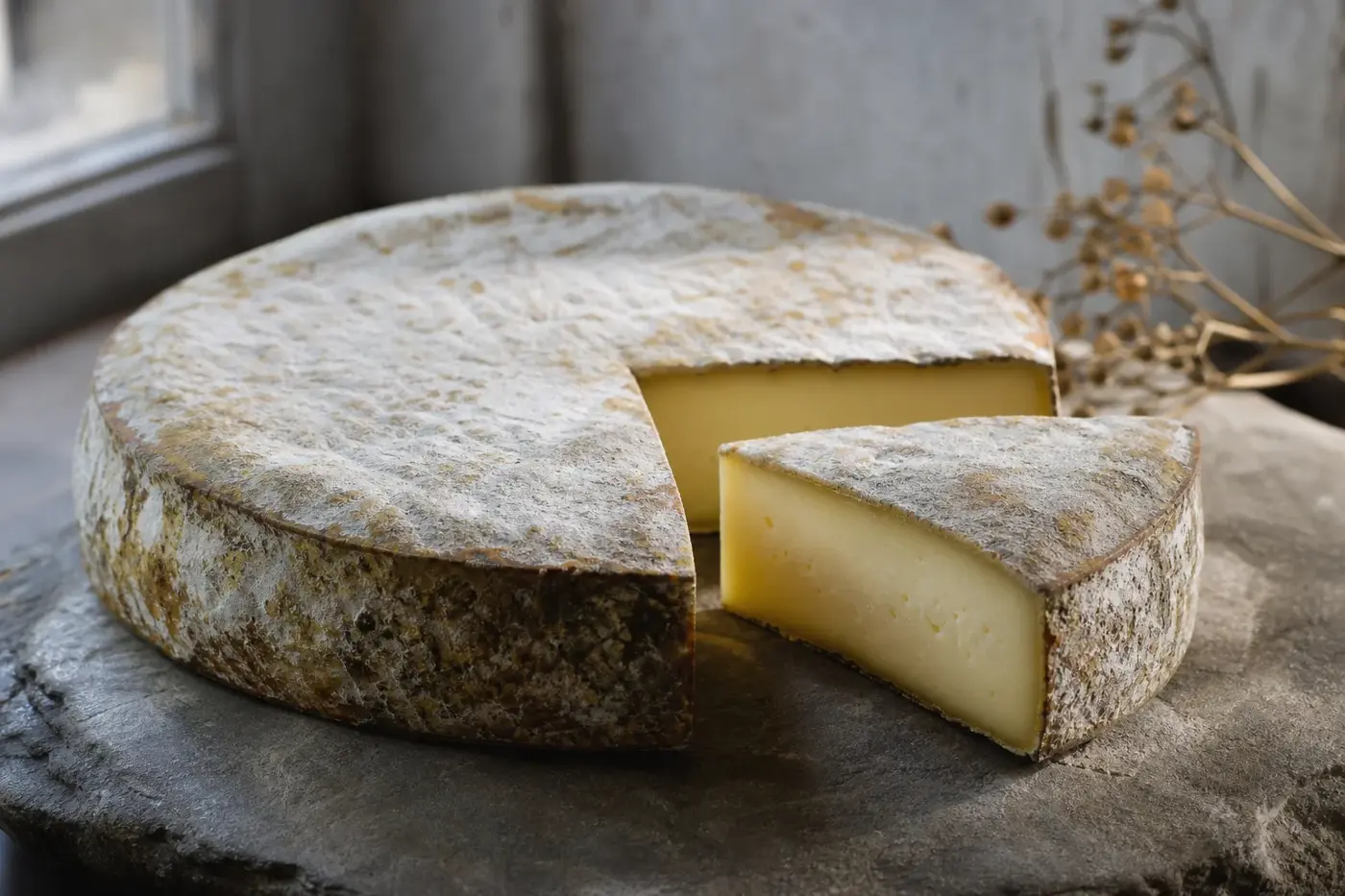
Break into Grana Padano and watch it fall into flakes. Cut beneath Taleggio’s pinkish rind and you find a softer layer. Then Puzzone di Moena announces itself with an intense, penetrating aroma, its rind somewhere between ochre and reddish brown. Your journey from Alpine pastures to the Po Valley has barely begun. [6, 9, 12]
The landscape supplies milk and grazing; the cheesemakers decide what happens next. Their choices bring you supple mountain wheels, small goat’s milk cheeses, washed rinds, blue-veined cheeses and hard wheels made for long maturation. Set Fontina, Roccaverano, Gorgonzola and Grana Padano beside one another, and Northern Italy’s variety becomes something you can taste. [2, 5, 7, 9]
| Your Northern Italy starting point | What helps you find your way |
|---|---|
| The geographical scope | Istat’s North-west and North-east geographical divisions combined. [1] |
| The eight regions | Valle d’Aosta, Piedmont, Liguria, Lombardy, Trentino Alto Adige, Veneto, Friuli Venezia Giulia and Emilia Romagna. [1] |
| Reading the cheese map | Authorised production areas can follow provinces, municipalities or river boundaries rather than a single region. [6, 7, 8] |
Follow the cheese across the borders
A regional map gets you started, but cheese has other arrangements. Taleggio connects Lombardy with parts of Piedmont and Veneto; Gorgonzola’s production territory includes parts of Lombardy and Piedmont. Even Parmigiano Reggiano reaches from Emilia Romagna into Lombardy. Istat’s eight regional divisions are only the beginning of your cheese map. [1, 6, 7, 8]
Alpine pastures, foothills and the Po Valley give dairying very different settings. Seasonal grazing matters too: Castelmagno’s specification distinguishes mountain-pasture production, while Bra has an alpeggio designation for cheese made during the specified grazing season. These categories have defined production requirements. They are not simply picturesque ways of saying “mountain cheese”. [3, 4]
You can follow the milk as well as the landscape. Cow’s milk links the large hard cheeses with many Alpine wheels, while Roccaverano brings goat’s milk into the picture. Castelmagno permits specified additions of sheep’s or goat’s milk. Read milk alongside texture and method, with how to tell cheese styles apart as your guide. [3, 5, 8, 9]
Valle d’Aosta: get to know Fontina, rind and all
With Fontina, the connection to Valle d’Aosta runs right through the cheese. The ministry-published specification places milk production, cheesemaking and maturation within the region. It also identifies the local Valdostana cattle breeds and their crosses. Animals, milk and place belong together here. [2]
Whole cow’s milk and a semi-cooked curd distinguish Fontina from the small lactic cheeses farther south in Piedmont. During maturation, the wheels are repeatedly turned, salted and rubbed. That patient rind care helps develop the cheese itself, not merely its appearance. [2]
If you know Fontina solely as a raw-milk cheese, there is a detail worth your attention. The April 2026 text from Italy’s agriculture ministry lists both raw and thermised milk. Look for the treatment declared on the cheese you are buying: raw, thermised and pasteurised milk are distinct categories. [2]
Choose Fontina when you want a supple texture on your board. Ask your cheesemonger about the particular wheel’s production season and milk treatment.
Piedmont: make room for three different pleasures
Castelmagno, Bra and Robiola di Roccaverano give you three good reasons to linger over Piedmont. They may be neighbours, but their milk, structure and maturation lead to quite different cheeses. Taste them together and those differences come into focus. [3, 4, 5]
Castelmagno comes from Castelmagno, Pradleves and Monterosso Grana in Cuneo province. Raw cow’s milk is its foundation, with optional sheep’s or goat’s milk additions governed by the specification’s proportions. The younger cheese is described as friable, becoming more compact as it matures. Blue-green veining may develop inside, but you should not expect it in every wheel: it is one possible expression of Castelmagno. [3]
Bra is pressed and made principally from cow’s milk, with small additions of sheep’s or goat’s milk permitted. Its production area covers Cuneo province and Villafranca Piemonte in Turin province. Look for Tenero or Duro: the specification describes Tenero as moderately firm and elastic, while Duro has a harder rind and a more pronounced savoury character. Those names offer your first useful clue to what awaits. [4]
Robiola di Roccaverano/Roccaverano brings you to something softer and more lactic. The ministry-published specification requires raw whole goat’s milk from the defined area in Asti and Alessandria provinces, with curd forming principally through acidification. The younger cheese is described as soft and slightly acidulous. Affinage, the controlled work of maturation, brings stronger flavours. [5]
Try the three as a small selection. You have a friable cheese, a pressed cheese and a soft lactic cheese, all without leaving Piedmont.
Lombardy: explore the pink rind and the blue veins
Taleggio ripens through attention to its surface; Gorgonzola develops coloured veins within. You can see the contrast before you taste either cheese. Together, they offer a particularly good introduction to two different approaches to ripening. [6, 7]
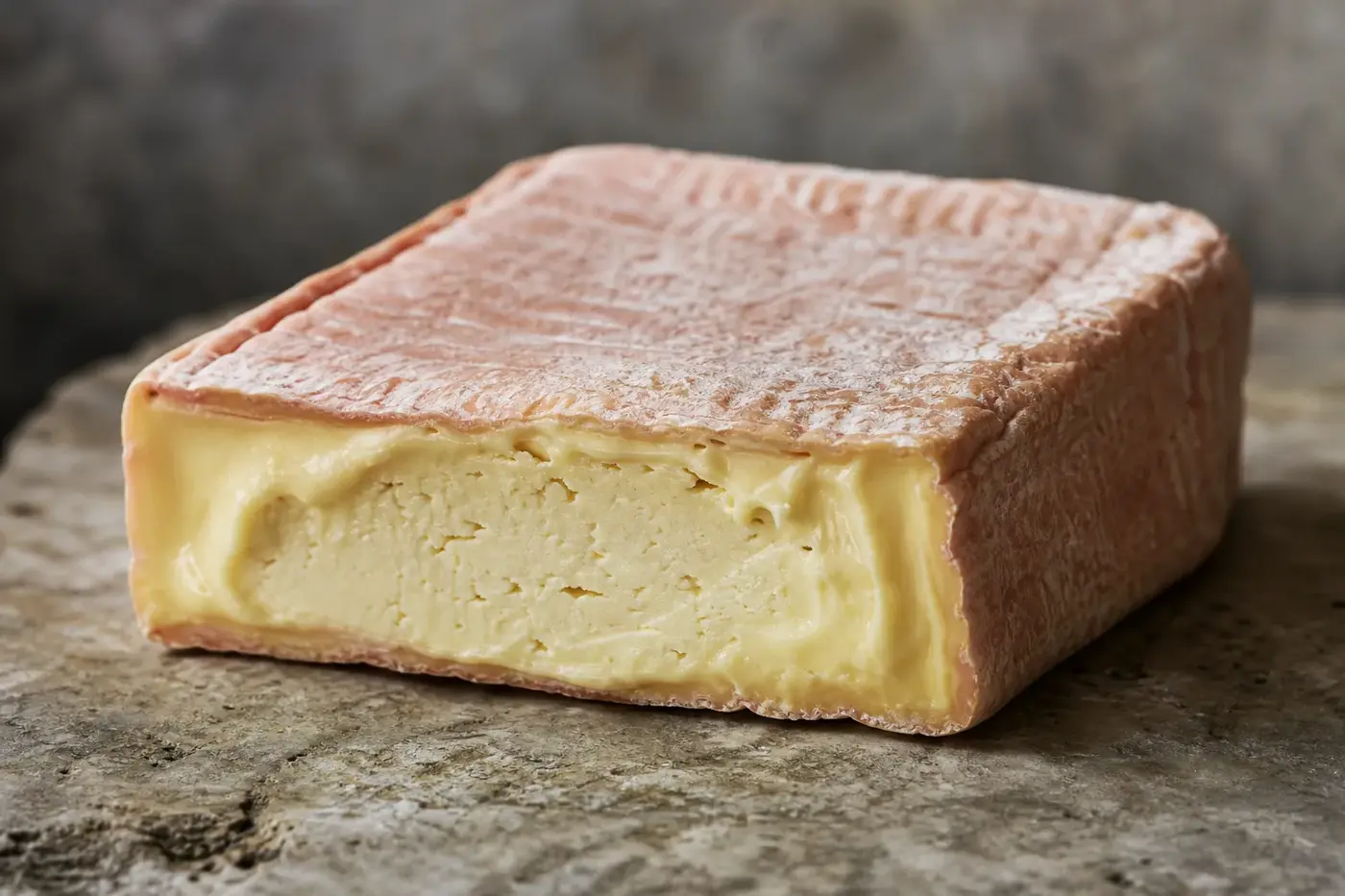
Taleggio is a square, soft cow’s milk cheese with a thin, pinkish rind treated with water and salt. Beneath it, the close-textured interior becomes softer immediately below the surface. The ministry-hosted text describes lactic notes and balanced saltiness. Regular surface care is central to this washed-rind cheese’s identity. [6]
Follow Taleggio’s geography and you travel beyond Lombardy. The published text also includes specified provinces in Piedmont and Treviso in Veneto. The region most closely associated with the cheese is only part of its legally defined territory. [6]
Gorgonzola begins with pasteurised whole cow’s milk. Its specification calls for lactic cultures, selected yeasts and Penicillium spores, with the mould developing blue-green or grey-blue veining. It distinguishes dolce and piccante, each with different flavour and maturation requirements. Ask which you are being offered: “Gorgonzola” alone will not tell you its strength. [7]
Put Taleggio and Gorgonzola together on your board and explore that contrast. You will learn more than you would by choosing two cheeses simply because both have a strong aroma.
The Po Valley: break a piece and find the grain
Parmigiano Reggiano and Grana Padano share a broad approach: raw cow’s milk, partial skimming, cooked curd and slow maturation. Both are hard cheeses. Each, though, has its own production system and geographical territory. Their family resemblance is the beginning of the story, not the whole of it. [8, 9]
For Parmigiano Reggiano, two rivers help draw the boundaries. Its area includes Parma, Reggio Emilia and Modena, Bologna to the left of the River Reno, and Mantua to the right of the Po. That places part of its authorised territory in Lombardy, despite its strong association with Emilia Romagna. [8]
The ministry-published text describes milk from cattle fed predominantly on forage from the area of origin, and prohibits additives. Partly skimmed raw milk becomes a hard, cooked-curd cheese intended for slow maturation. For a closer look at production and identification, turn to Parmigiano Reggiano. [8]
Grana Padano is likewise made throughout the year from raw cow’s milk, partly skimmed by natural separation. Its specification describes a finely granular structure and a fracture that breaks into flakes. Break a piece from a wedge and notice how it parts. You get a different eating experience from a thin, smooth slice. [9]
Choose by the named product and stated age, then ask about the particular wheel’s texture. On your regional board, serve pieces large enough to reveal the grain. Neither cheese needs to spend its entire life as a finishing sprinkle.
| Choosing by maturation | Legal minimum maturation |
|---|---|
| Parmigiano Reggiano | Not provided here |
| Grana Padano | Not provided here |
Veneto: let age lead you through Asiago and Piave
Asiago gives you more than one texture to explore. Its specification distinguishes Asiago Fresco, also called pressato, from Asiago Stagionato, also called d’allevo. Both use cow’s milk. The younger category has a pale paste, marked irregular holes and a delicate flavour. [10]
The territory reaches beyond the town that gives Asiago its name. It includes the whole provinces of Vicenza and Trento, along with defined territory elsewhere. Trento takes Asiago into Trentino Alto Adige. Once again, your cheese map crosses a regional border. [10]
Piave brings you into a more concentrated mountain territory. Its specification places milk collection and cheesemaking in Belluno province’s mountain territory, and recognises Fresco, Mezzano, Vecchio and further aged selections. Fresco matures for more than 20 but fewer than 60 days. Vecchio matures for more than six months. [11]
Let those names help you choose at the counter. Ask for Asiago Fresco when you want the younger category. To discover what maturation does within one cheese, rather than compare unrelated styles, try younger and older Piave.
Trentino Alto Adige: give Puzzone di Moena its moment
An intense, penetrating aroma, a robust flavour and a slight bitter finish: Puzzone di Moena gives you plenty to anticipate. That is the specification’s description of this mountain cow’s milk cheese, also named Spretz Tzaorì. It is rather more revealing than simply calling a cheese “mild” or “nutty”. [12]
The August 2026 ministry-published specification requires raw cow’s milk and describes a semi-hard, elastic paste with scattered holes. The rind may be ochre, light brown or reddish. It also distinguishes milk from malga, mountain-pasture dairying, describing a more pronounced yellow colour and larger openings in that cheese. [12]
Ask whether your piece is made from mountain-pasture milk and how the seller describes its present maturity. Give Puzzone di Moena space on the board, with plain bread alongside. Several equally forceful cheeses around it would make for a rather crowded conversation.
Head east for Montasio, then take a softer turn in Liguria
Montasio connects the cheese traditions of Friuli Venezia Giulia and Veneto. Its specification describes a cooked, hard cow’s milk cheese intended for medium or long maturation. At the younger assessment stage, its paste is compact with small openings. Long ageing takes the flavour towards greater pungency. [13]
That makes age a useful question at the counter. Are you choosing a younger table cheese or a substantially matured example? Ask for its age and the category on its label, rather than letting the name alone decide for you.
Liguria changes the scale and texture with prescinsêua. Regione Liguria describes this fresh white cow’s milk curd from the Genoese hinterland as semi-liquid to semi-solid, with an acidulous flavour. It offers you quite a departure from another wedge of matured cheese. [14]
You will often find its place in the kitchen. The regional account describes prescinsêua in savoury pie fillings, while Agriligurianet includes it in pumpkin-filled barbagiuai. On your regional table, a small bowl brings that very different texture into the selection. [14]
PDO: discover the place behind the name
When you choose one of these cheeses, the protected name tells you about its relationship with place. PDO means Protected Designation of Origin; DOP is the Italian abbreviation. Under Article 46 of Regulation (EU) 2024/1143, an agricultural designation of origin identifies a product whose qualities or characteristics are essentially or exclusively linked to its geographical environment, including natural and human factors. Its production steps must take place in the defined area. [15]
The product specification sets out the area, raw materials, method and required characteristics. Those details explain why a cheese territory might cross regional boundaries or stop at a river. It need not take in a whole province. [15]
Read the name alongside the declared type, age and milk treatment when you choose. The PDO specification establishes the permitted framework. The label and seller tell you about the particular product in front of you. [15]
This is the EU protection framework. For distinctions between schemes and jurisdictions, turn to protected names explained. For the information attached to your individual piece, see how to read a cheese label.
Bring Northern Italy to your cheeseboard
Build around contrast, not a checklist of famous names. You could start with a younger Roccaverano, Fontina or Asiago, Taleggio or Puzzone di Moena, a granular hard cheese, and Gorgonzola. Adapt your selection to the textures and maturity available. Every category need not turn up on every board.
Keep the accompaniments simple: plain bread with the washed-rind cheese, sliced pear with Gorgonzola, and apple with the hard cheese. Taste each cheese alone first. Then add its accompaniment and decide which combination you prefer. Water or unsweetened sparkling water keeps your drinks entirely alcohol free.
Before buying, ask the seller three questions: what milk treatment does this product use, how old is it, and how should this cut portion be stored? Keep any after-opening instruction. Cheeses sharing a board may still have different storage lives.
For storage, the UK Food Standards Agency’s published guidance for England, Wales and Northern Ireland recommends a fridge between 0 and 5 °C. Follow packaging instructions and date marks, and consult its current guidance for details. [16]
Put out a modest selection, then replenish it from the fridge as needed. For the fuller storage method, including how to organise different cheeses at home, use how to store cheese at home.
General information only, not medical advice: follow the official guidance where you live.
Questions people ask
Is Fontina always made with raw milk?
The April 2026 text from Italy’s agriculture ministry lists both raw and thermised milk for Fontina. Check the milk treatment declared for the cheese being bought.
What is the difference between Gorgonzola dolce and piccante?
The Gorgonzola specification distinguishes dolce and piccante by their flavour and maturation requirements. The name Gorgonzola alone does not tell you its strength.
What gives Taleggio its pinkish rind?
Taleggio has a thin, pinkish rind treated with water and salt. Its interior becomes softer immediately below the surface.
How long is Piave matured?
Piave Fresco matures for more than 20 but fewer than 60 days. Piave Vecchio matures for more than six months.
How should Northern Italian cheese be stored?
The UK Food Standards Agency recommends a fridge between 0 and 5 °C and following packaging instructions and date marks in England, Wales and Northern Ireland. Check its current guidance for details.
Sources
[1] Istat, Serie storiche: ripartizioni geografiche, online geographical definitions, undated, accessed November 2026.
[2] Ministero dell’agricoltura, della sovranità alimentare e delle foreste, MASAF, Disciplinare di produzione «Fontina», April 2026 ministry-hosted edition.
[3] MASAF, Disciplinare di produzione del formaggio Castelmagno, undated ministry-hosted edition, accessed November 2026.
[4] MASAF, Disciplinare di produzione della denominazione di origine protetta Bra, undated ministry-hosted edition, accessed November 2026.
[5] MASAF, Disciplinare di produzione della denominazione di origine protetta “Robiola di Roccaverano/Roccaverano”, undated ministry-hosted edition, accessed November 2026.
[6] MASAF, Proposta di modifica del disciplinare della denominazione di origine protetta “Taleggio”, undated ministry-hosted text, accessed November 2026. Its proposal heading requires the publication check recorded below.
[7] MASAF, Disciplinare della denominazione di origine protetta «Gorgonzola», undated ministry-hosted edition, accessed November 2026.
[8] MASAF, Proposta di modifica del disciplinare di produzione della denominazione di origine protetta “Parmigiano Reggiano”, undated ministry-hosted text, accessed November 2026. Its proposal heading requires the publication check recorded below.
[9] MASAF, Disciplinare di produzione Grana Padano D.O.P., undated ministry-hosted edition, accessed November 2026.
[10] MASAF, Disciplinare di produzione della denominazione di origine protetta “Asiago”, undated ministry-hosted edition, accessed November 2026.
[11] MASAF, Disciplinare di produzione della denominazione di origine protetta “Piave”, undated ministry-hosted edition, accessed November 2026.
[12] MASAF, Disciplinare di produzione «Puzzone di Moena»/«Spretz Tzaorì», August 2026 ministry-hosted edition.
[13] MASAF, Disciplinare di produzione della denominazione di origine protetta “Montasio”, undated ministry-hosted edition, accessed November 2026.
[14] Regione Liguria, Prescinsêua, regional text reproduced by Mangiare in Liguria, undated; and Regione Liguria, Agriligurianet, Barbagiuai con la quagliata (prescinseua), undated. Accessed November 2026.
[15] European Parliament and Council, Regulation (EU) 2024/1143, 2024, Articles 46 and 49, official published text on EUR-Lex.
[16] Food Standards Agency, How to chill, freeze and defrost food safely, published 18 December 2017, online edition accessed November 2026; applies to England, Northern Ireland and Wales.
This desk-researched article compares ministry-published cheese specifications, Istat’s geographical definitions, regional food descriptions, EU legislation and official food-storage guidance.
Last checked: November 2026
Last checked November 2026.
The editors suggest you read next
French Cheese: The Complete Guide
Picture Normandy’s pastures, then follow the milk towards the Loire’s goat dairies, the Jura’s shared cheesemaking traditions and the sheep country of the Pyrenees.