Dutch Cheese: The Complete Guide
Cut into Leiden cheese and cumin flecks the fresh face.
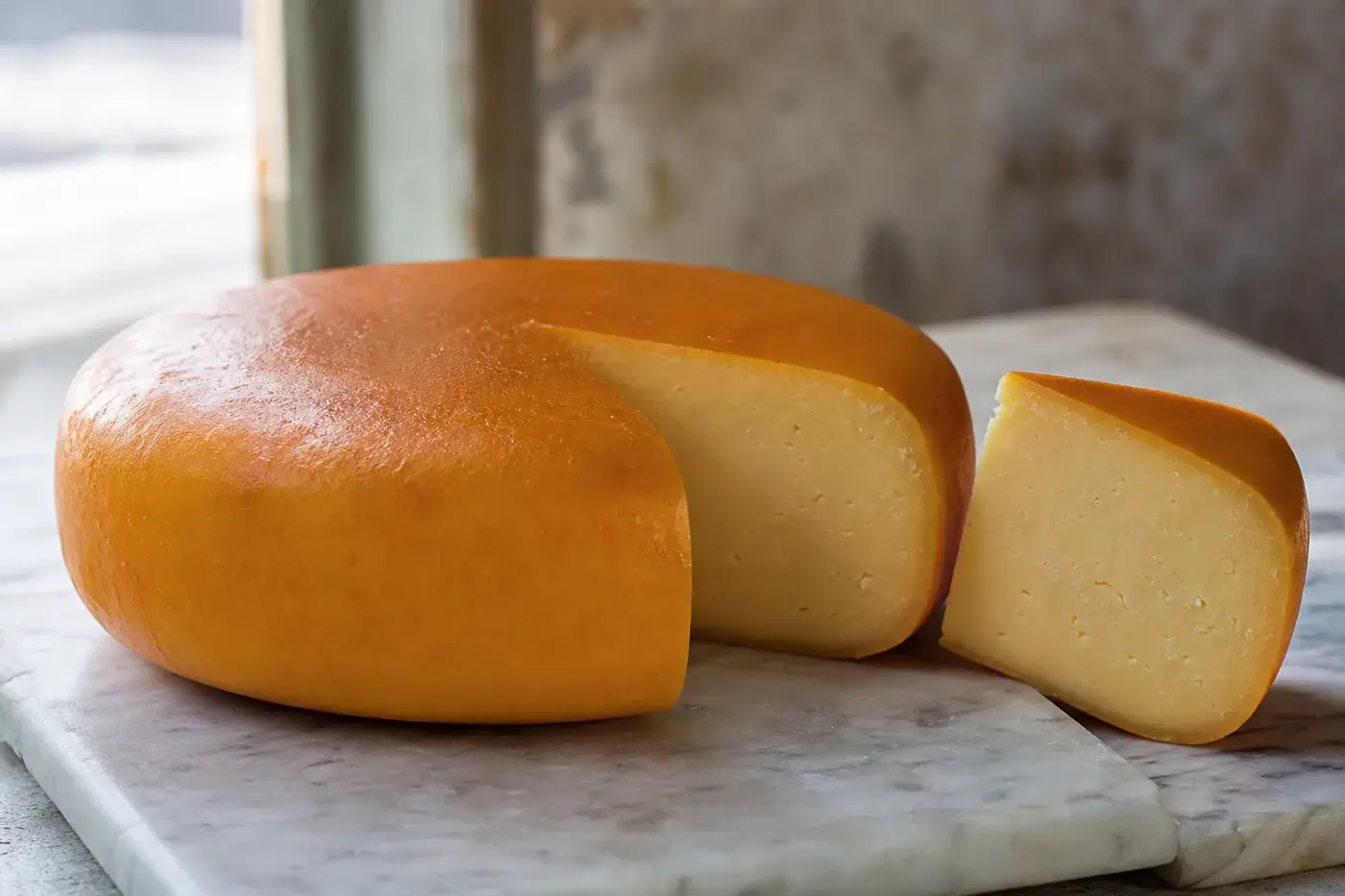
Cut into Leiden cheese and cumin flecks the fresh face. Beside it, a Frisian clove cheese brings spice to the board. Add raw-milk Boerenkaas and you have a taste of the Netherlands that reaches well beyond the familiar export wheel.[5][6][7]
Follow those cheeses back and you arrive in pasture. Pressing, brining and maturation turn the milk into anything from a supple sandwich slice to a firm piece full of concentrated flavour. Each carries a different regional tradition to your plate.[1][2][5][6][7]
| Your starting point | Netherlands |
|---|---|
| Styles worth meeting | Pressed, brined cheeses: Gouda, Edam and regional spiced cheeses.[3][4][6][7] |
| The milk behind them | Cow’s milk predominates in Dutch dairy production.[1] Boerenkaas permits cow, goat, sheep and buffalo milk.[5] |
| A taste of the farm | Boerenkaas requires raw milk and on-farm cheesemaking.[5] |
| Meet the industry source | ZuivelNL, the Dutch dairy sector organisation.[1] |
| Protected names to explore | EU specifications and GB register entries, November 2026.[3][4][5][8][9][10][11] |
Follow Gouda back to its market
Before Gouda became a cheese name recognised far beyond the Netherlands, farmers brought their cheeses to the town to sell. The European Commission traces its association with cheese to that historic market. The trading place lent its name to the produce passing through it.[2]
Look beyond the market and you reach grassland shaped by a maritime climate. The Commission describes pasture on sandy and clay soils, with Holstein-Friesian cattle supplying milk. That milk might become cheese on the farm or travel to a dairy serving many farms: both belong to this landscape.[2][5]
The scale is considerable. According to ZuivelNL, approximately 62% of the milk processed by the Dutch dairy industry in 2025 went into cheese. Its report records production above one billion kilograms, including quark, so Dutch cheese belongs as much to industrial dairies as to farm kitchens.[1]
Follow the curds into the brine
For Gouda Holland, an important part of the journey is a wash. Its specification starts with pasteurised milk, coagulated into curds, the solids that become cheese, and whey, the liquid left behind. The curds are separated, processed and washed to reach the required moisture and acidity, then pressed into shape before brining.[2][3]
Brine is a salt-water bath. Afterwards, the wheels are turned and checked as they mature and develop a dry rind. Boerenkaas specifications also permit cheese coatings, so look at the covering separately from the cheese beneath it when you buy.[2][5]
Curious about the rest of the journey? Follow how cheese is made.
Find the age and bite you love
Age changes what you feel as much as what you taste. Gouda Holland starts pliable, then becomes firmer and tighter; Edam Holland also firms as it matures. The Commission describes young Gouda as sweetish and mild, with aged examples developing deeper colour and more complex aromas.[2][3][4]
Sometimes, you get crunch too. Beemster describes the small white dots in some of its aged cheeses as naturally developed protein crystals, adding texture as well as visual interest. Look for that producer description if crunch is your goal: age alone does not promise it in every wheel.[12]
Ask how long a cheese has matured rather than relying only on jong, belegen and oud. Picture where it is heading: a flexible slice for bread, perhaps, or a firmer piece for nibbling. Oldest does not automatically win, however impressive your cheese board ambitions.
Gouda or Edam? Get past first impressions
You probably know Gouda’s flattened wheel with rounded sides. Gouda Holland also permits blocks and loaves, though, so shape introduces the cheese without proving its origin. Inside, the specification describes an ivory-to-yellow cheese whose flavour moves from mild to strong with age.[2][3]
For a closer look at the wider style, explore the Gouda guide.
Edam’s familiar outline is a ball with a flattened top and bottom, although Edam Holland comes in other forms too. Its official flavour description runs from mild to piquant. Fat in dry matter differs as well: Gouda Holland contains 48 to 52%, while Edam Holland contains 40 to 44%.[3][4]
Those figures exclude water; they are not nutritional fat per 100 g. Start simply with young Gouda or Edam in sandwiches and on toast. For firmer aged Gouda, cut smaller pieces to eat alongside bread.
Leave room for the regional cheeses
Leiden: look for cumin and crossed keys
Boeren-Leidse met sleutels brings you into a closely defined farmhouse tradition. Its official specification describes a semi-hard cheese made from partly skimmed milk without pasteurisation, with cumin added during production. With age, it becomes firm enough for you to grate.[6]
Its roots lie around Leiden and the Oude Rijn in South Holland. The crossed keys refer to Leiden’s emblem and offer a more distinctive clue than the cumin. You will also find cumin in the specifications for Gouda and Boerenkaas, so those inviting speckles alone do not identify Boeren-Leidse met sleutels.[3][5][6]
Friesland: give cloves a place on the board
Friese nagelkaas brings cloves to your cheese board. Zuivelhoeve identifies it with Friesland and describes its version as containing both cloves and cumin, giving it a spicy, lightly piquant character. Try the cheesemonger’s suggested accompaniment, Frisian rye bread, and let those spices speak for themselves.[7]
Goat’s milk: explore another side of Dutch cheese
Your Dutch cheese selection need not stop at cow’s milk. The Boerenkaas specification explicitly includes goat’s milk alongside cow, sheep and buffalo milk, and covers forms that can be firm yet malleable. Different milks give you another direction to explore, beyond the ages of cow’s milk cheese.[5]
Boerenkaas: get to know the farmhouse tradition
With Boerenkaas, the protected tradition concerns how the cheese is made, rather than a bounded production region. It is a traditional speciality guaranteed, or TSG. Its amended specification requires farm production using raw milk obtained mainly from the farm’s own herd.[5]
Several forms fall within the specification, including Gouda-shaped, Edam-shaped and Leiden-shaped cheeses. Boerenkaas is therefore a precise buying clue, not just a word that invites you to picture a particularly lovely pasture.[5]
Keep three questions separate when you choose: who made it, whether the milk was heated and how long it matured. Farm and factory describe different working arrangements. Neither gives you a reliable ranking of flavour.[3][5]
Read the whole name for the fuller story
Gouda and Edam alone do not establish Dutch origin. EU registration regulations expressly allow continued use of those generic names. Look for Gouda Holland and Edam Holland when you want the fuller names with specified requirements for Dutch milk, production and maturation.[3][4]
| Name to look for | EU designation and document identifier | Great Britain, November 2026 |
|---|---|---|
| Gouda Holland | PGI, NL-PGI-0005-0328-27.11.2003.[3] | Registered PGI.[8] |
| Edam Holland | PGI, NL-PGI-0005-0329-27.11.2003.[4] | Registered PGI.[9] |
| Boerenkaas | TSG; amended specification TSG-NL-0023-AM02-12.8.2021.[5] | Registered TSG.[10] |
| Boeren-Leidse met sleutels | PDO.[6][11] | Registered PDO.[11] |
PGI means protected geographical indication; PDO means protected designation of origin. Boeren-Leidse met sleutels ties a defined cheese to its production area, while Boerenkaas protects its traditional production method.[5][6]
The GB entries are separate register records.[8][9][10][11] For help making sense of the distinctions, turn to protected names explained.
Ask about milk treatment and rennet
Milk treatment varies across these cheeses. Gouda Holland and Edam Holland require pasteurisation; Boerenkaas requires raw milk. If you are choosing for a vegetarian, ask about rennet separately.[3][4][5]
The Gouda Holland specification calls for calf rennet, with a limited exceptional provision for other rennets. You therefore need the individual cheese’s information, rather than the name alone.[3]
Other Dutch cheeses use different coagulants. Beemster states that its cheeses use microbial rennet and are suitable for vegetarians.[12] Ask for a current product declaration for your chosen cheese; the rennet guide explains animal, microbial and fermentation-produced alternatives.
Take three good questions to the counter
Where was it made? How long was it matured? What kind of bite do you want? Start there and you give yourself something useful to work with.
A shop offering several ages gives you more scope to match cheese to its use than a display arranged only by names. For your first exploration, choose one young plain cheese, one older cheese and one spiced example.
Taste them together and you can separate the effects of maturation from the addition of cumin or cloves. Save a goat’s milk cheese for another occasion. Even an enthusiastic cheese board is allowed a manageable workload.
Keep the label handy and serve a portion
Keep the cheese’s storage instructions close at hand. For household storage, consult current Food Standards Agency guidance alongside the directions on the packaging.[13]
Once you cut the cheese, retain its label so you still have those directions. When you prepare a board, put out a portion rather than your whole supply. The home storage guide has more on wrapping and refrigerator organisation.
Let the texture lead the knife
Flexible young cheese suits thin slices for bread. From a wheel, cut short wedges; with very firm cheese, make smaller pieces. Ask the seller which coverings to remove before serving: Zuivelhoeve explicitly identifies its clove cheese’s rind as inedible.[7]
When you compare cheeses, serve the plain examples before the spiced ones. Keep bread and water available between tastes, and pay attention to texture as well as strength. Pliable, firm and crunchy are different pleasures, not steps up a quality ladder.
Bring bread, fruit and beer to the table
Keep accompaniments simple and give the cheese your attention. These suggestions explore contrast, starting from Zuivelhoeve’s regional recommendation of rye bread with Frisian clove cheese.[7]
| Your cheese | Something to eat alongside | Something to drink | What you get from the pairing |
|---|---|---|---|
| Young Gouda or Edam | Plain bread and apple | Sparkling water | Keeps the mild cheese at the centre. |
| Aged Gouda | Pear and plain crackers | Alcohol-free amber beer | Juicy fruit alongside firm cheese. |
| Cumin cheese | Rye bread | Unsweetened tea | Space to enjoy the spice. |
| Frisian clove cheese | Frisian rye bread.[7] | Water | The cheesemonger’s regional pairing. |
If you are an adult of legal drinking age and choose alcohol, try a small lager with young cheese or an amber beer with an older wheel. Alcohol-free beer and sparkling water are equally welcome in their own right.
Follow your cheese curiosity a little further
- How to Read a Cheese Label: make sense of the information on your cut piece or packaged cheese.
- Raw Milk, Thermised and Pasteurised Cheese: get to know the treatment terms you will find on Dutch cheese labels.
General information only, not medical advice: follow the official guidance where you live.
Questions people ask
What is the difference between Gouda and Edam?
Gouda is often shaped as a flattened wheel, while Edam is recognisable as a ball with a flattened top and bottom. Gouda Holland contains 48 to 52% fat in dry matter, compared with 40 to 44% for Edam Holland.
Does Gouda on the label mean the cheese is Dutch?
No. Gouda and Edam alone do not establish Dutch origin, but Gouda Holland and Edam Holland have specified requirements for Dutch milk, production and maturation.
What is Boerenkaas?
Boerenkaas is a traditional speciality guaranteed that protects a way of making cheese rather than a bounded production region. It must be made on a farm using raw milk obtained mainly from the farm’s own herd.
Is Dutch cheese suitable for vegetarians?
It depends on the cheese and its rennet. The Gouda Holland specification calls for calf rennet, with a limited exceptional provision for other rennets, while Beemster says its cheeses use microbial rennet and are suitable for vegetarians.
What are the white dots in aged Dutch cheese?
Beemster describes the small white dots in some of its aged cheeses as naturally developed protein crystals. They contribute texture, but age alone does not promise the same crunch in every wheel.
Sources
[1] ZuivelNL. Zuivel in Cijfers 2025, 2026 edition, particularly the industrial production discussion and tables on printed pages 18 to 19. Industry statistics, not regulatory guidance.
[2] European Commission, Directorate-General for Agriculture and Rural Development. Gouda Holland BGA / Noord-Hollandse Gouda BOB, undated web account, retrieved November 2026. Sections on origins and production.
[3] European Commission. Commission Regulation (EU) No 1122/2010 of 2 December 2010 entering a designation in the register of protected designations of origin and protected geographical indications [Gouda Holland (PGI)], 2010. Article 1 and Annex II, particularly sections 4.2 to 4.5.
[4] European Commission. Commission Regulation (EU) No 1121/2010 of 2 December 2010 entering a designation in the register of protected designations of origin and protected geographical indications [Edam Holland (PGI)], 2010. Article 1 and Annex II, particularly sections 4.2 and 4.5.
[5] European Commission. Publication of the amended product specification following the approval of a minor amendment: Boerenkaas, 2022/C 136/04, published 28 March 2022. Specification sections 3 and 4.
[6] Netherlands Enterprise Agency, RVO. Boeren-Leidse met sleutels: product dossier, national dossier 004/94, official archived specification hosted in 2014. Product description, geographical area and production method.
[7] Zuivelhoeve. Friese Nagelkaas, undated product page, retrieved November 2026. Commercial product description, ingredients, regional association, serving suggestion and rind information. Its sensory description is attributed to the cheesemonger.
[8] Department for Environment, Food & Rural Affairs. Gouda Holland, GB protected food name register entry, published 4 January 2021, retrieved November 2026.
[9] Department for Environment, Food & Rural Affairs. Edam Holland, GB protected food name register entry, published 4 January 2021, retrieved November 2026.
[10] Department for Environment, Food & Rural Affairs. Boerenkaas, GB protected food name register entry, retrieved November 2026.
[11] Department for Environment, Food & Rural Affairs. Boeren-Leidse met sleutels, GB protected food name register entry, retrieved November 2026.
[12] Beemster Cheese. FAQ, undated producer account, retrieved November 2026. Answers concerning white dots in aged cheese and microbial rennet. These are the producer’s statements about its products.
[13] Food Standards Agency. How to chill, freeze and defrost food safely, GOV.UK publication, 2017, retrieved November 2026. Section 1, “Chilling food”.
This piece combines desk research from official specifications, register records, Dutch dairy statistics and attributed product accounts; the practical comparisons and suggested pairings are editorial synthesis.
Last checked: November 2026
Last checked November 2026.
The cheeses of Netherlands
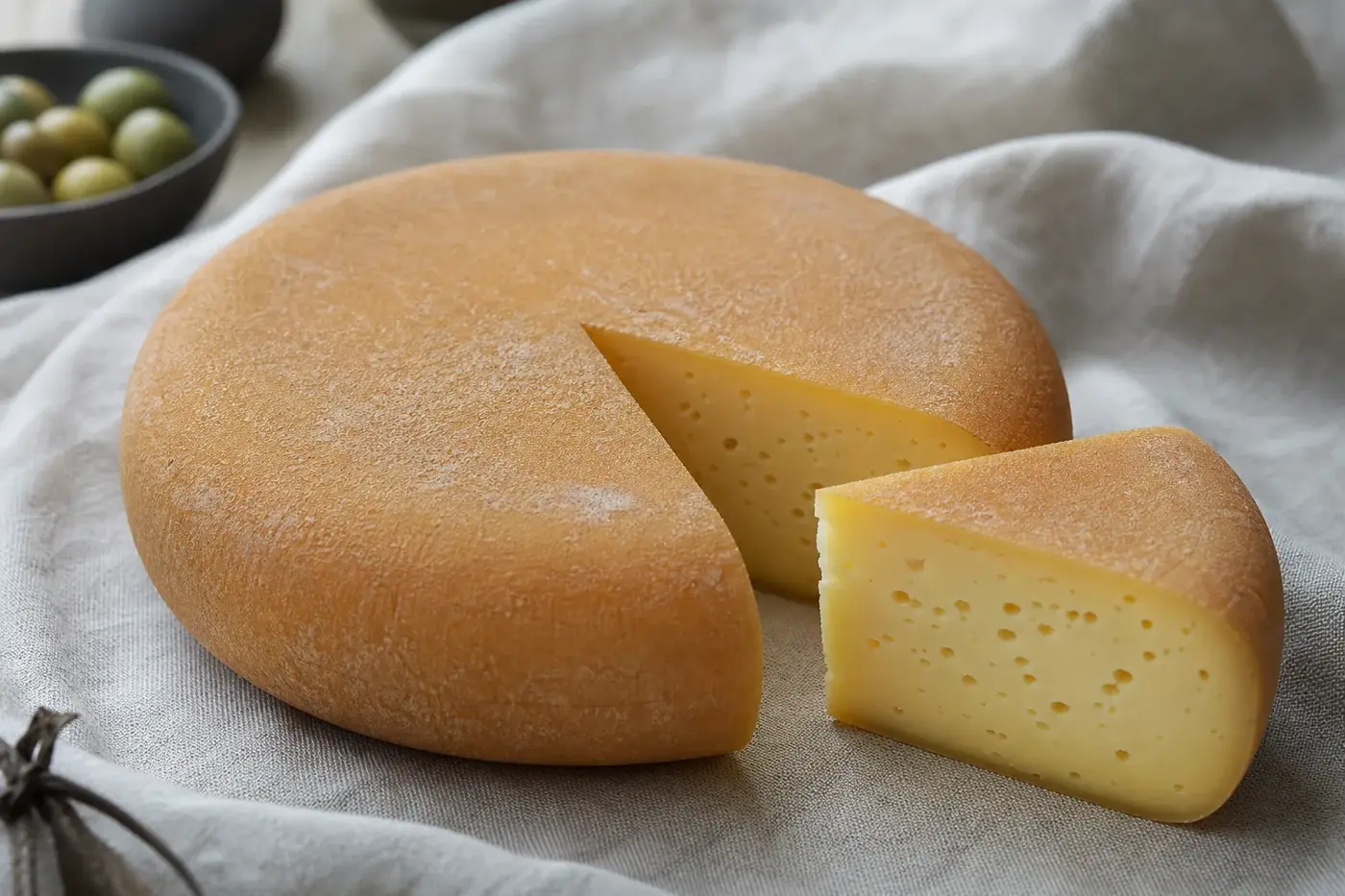
Gouda
Take a slice of Gouda Holland at four weeks.
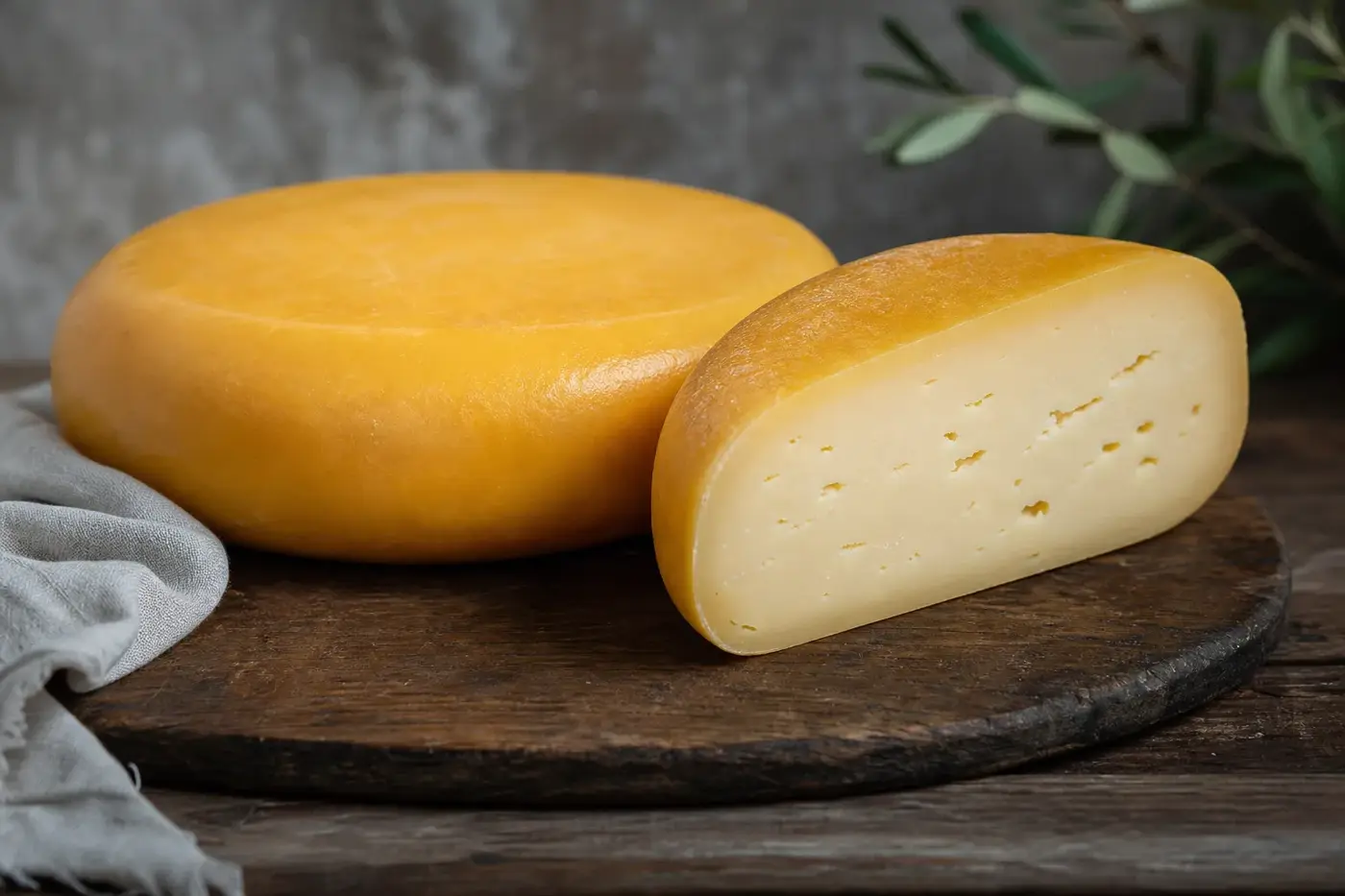
Noord-Hollandse Gouda
An ivory to yellow cut face, a smooth yellow rind, and a decision to make at the counter.
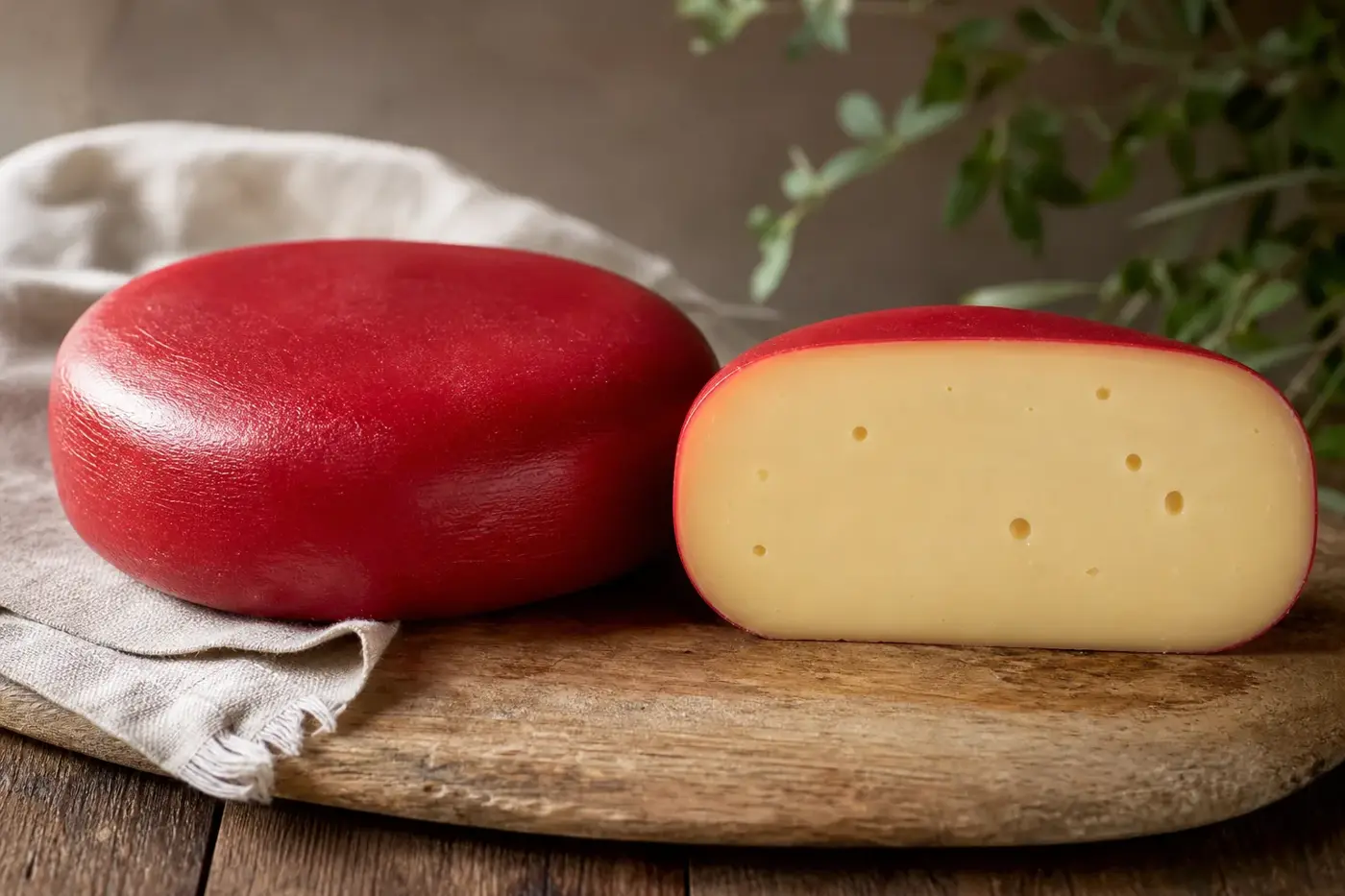
Edam
Small boats arrive laden with cheeses.
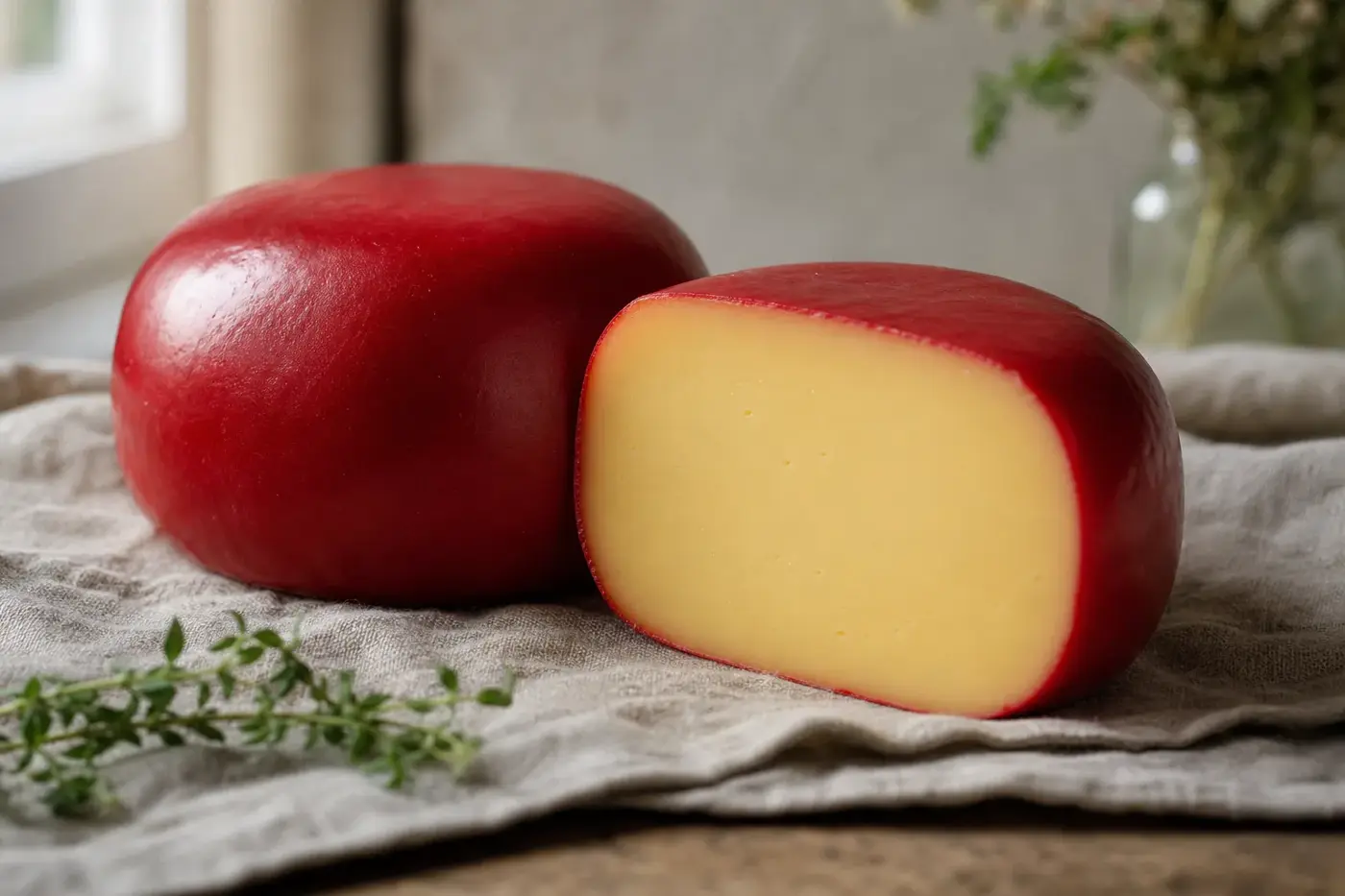
Noord-Hollandse Edammer
Bend a slice of Noord-Hollandse Edammer and watch it yield.
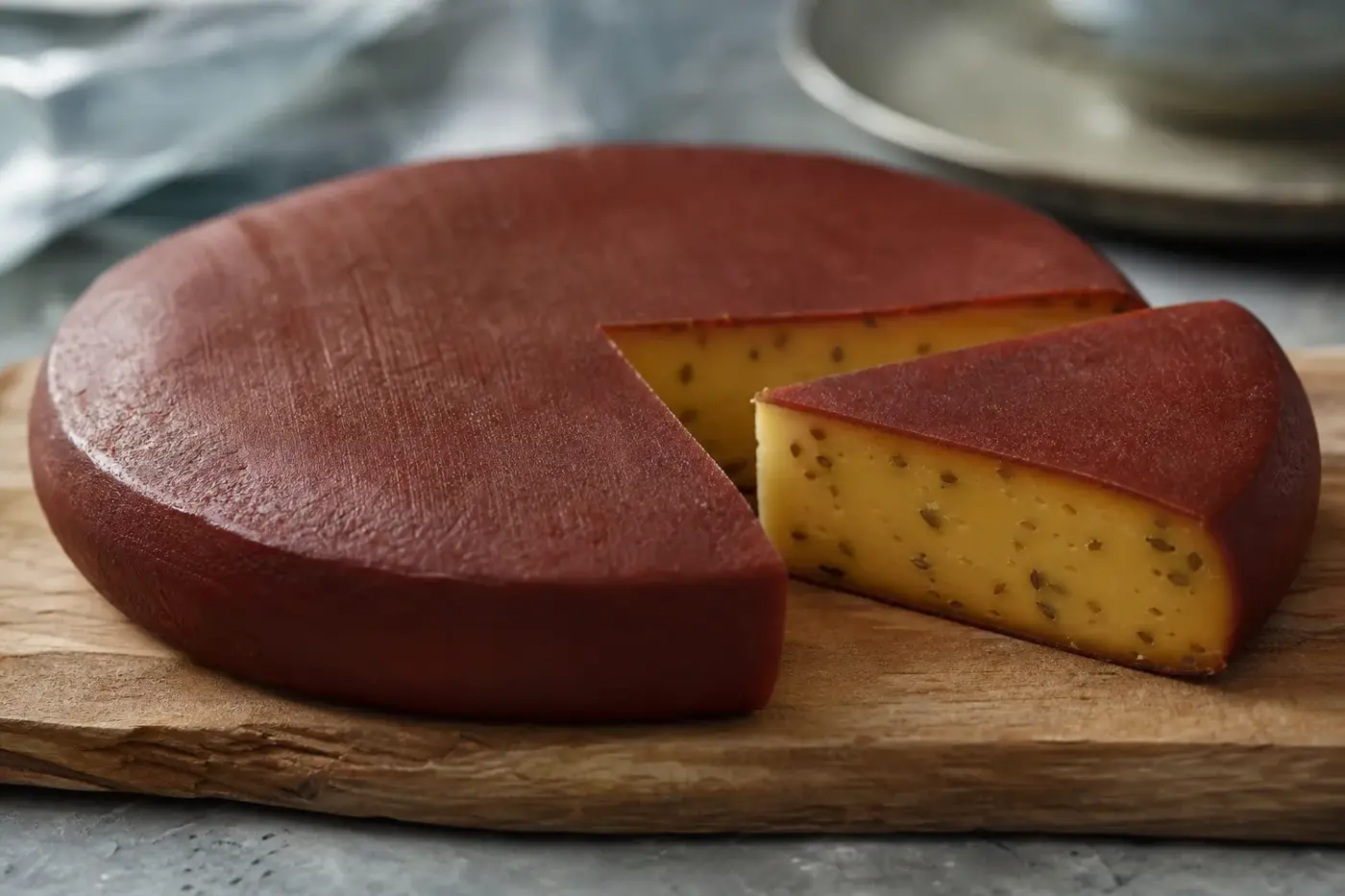
Leyden
Beside the cheese vat on a farm around Leiden sits a butter churn.
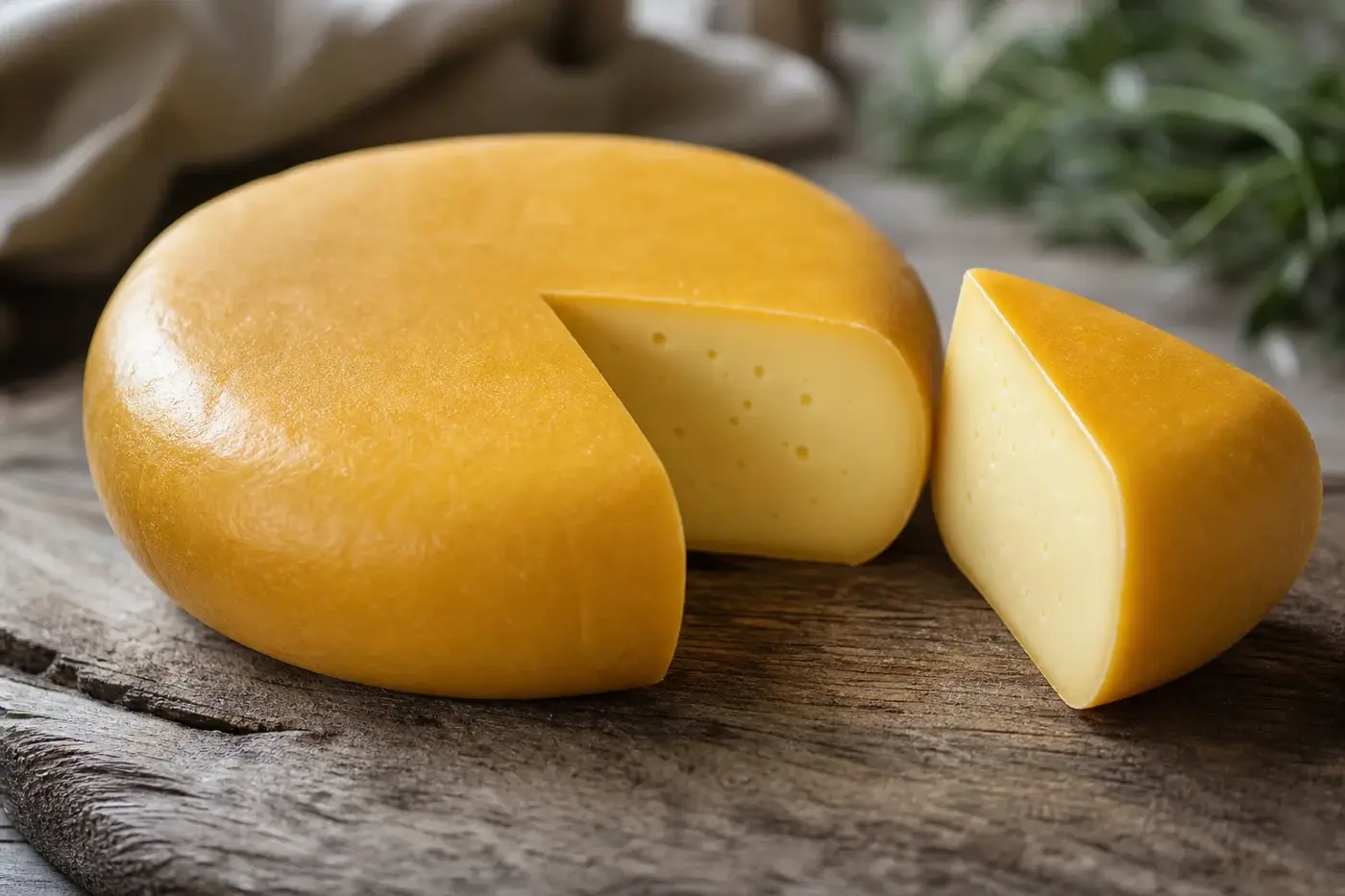
Boerenkaas
At milking, the clock starts ticking.
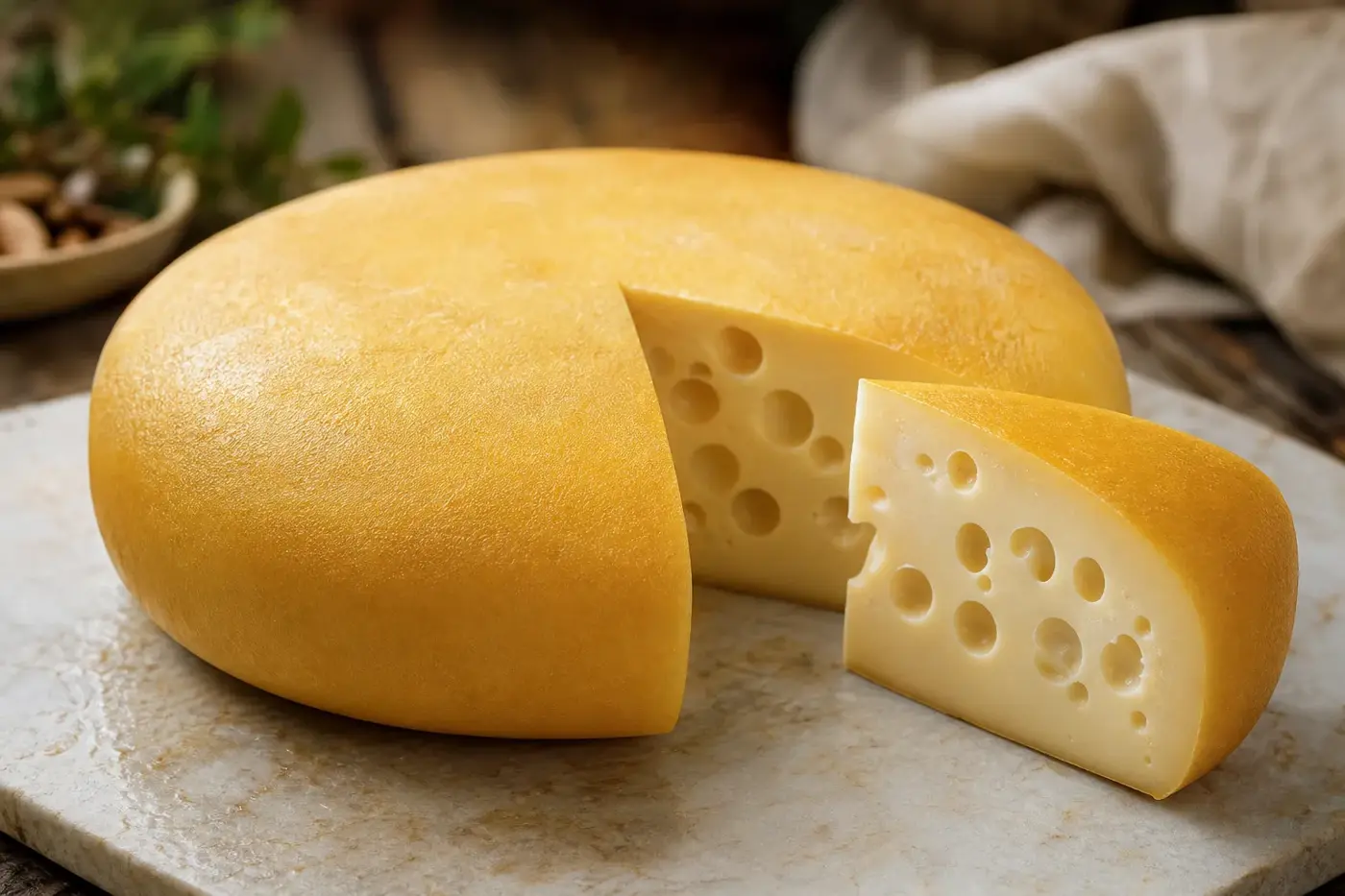
Maasdam
Cut into a wheel of Maasdam and those great rounded holes stop you mid-slice.
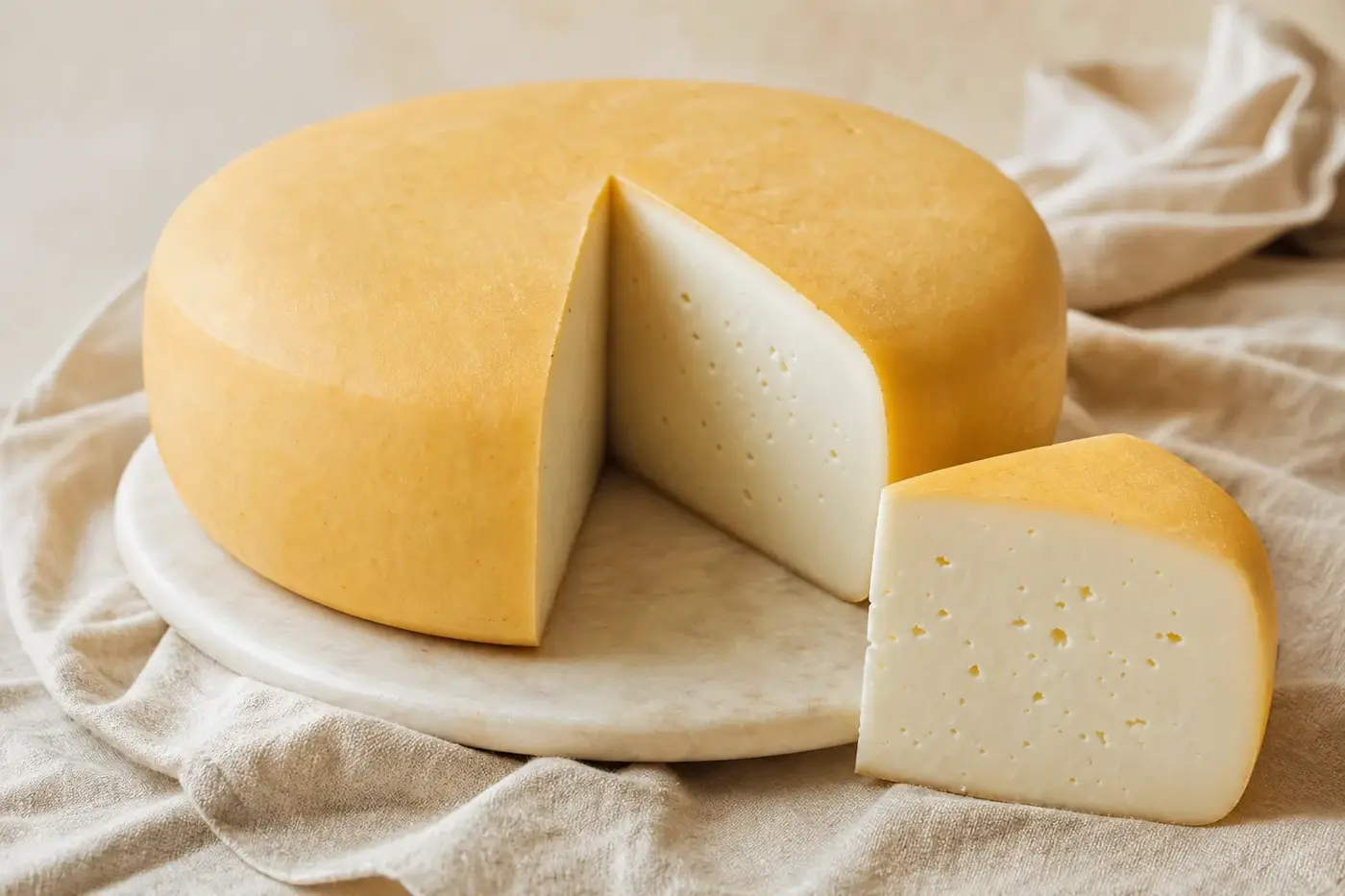
Hollandse Geitenkaas
Cut into a wheel of Hollandse Geitenkaas and that familiar Dutch outline gives way to something paler: white cheese, shading towards ivory with age.
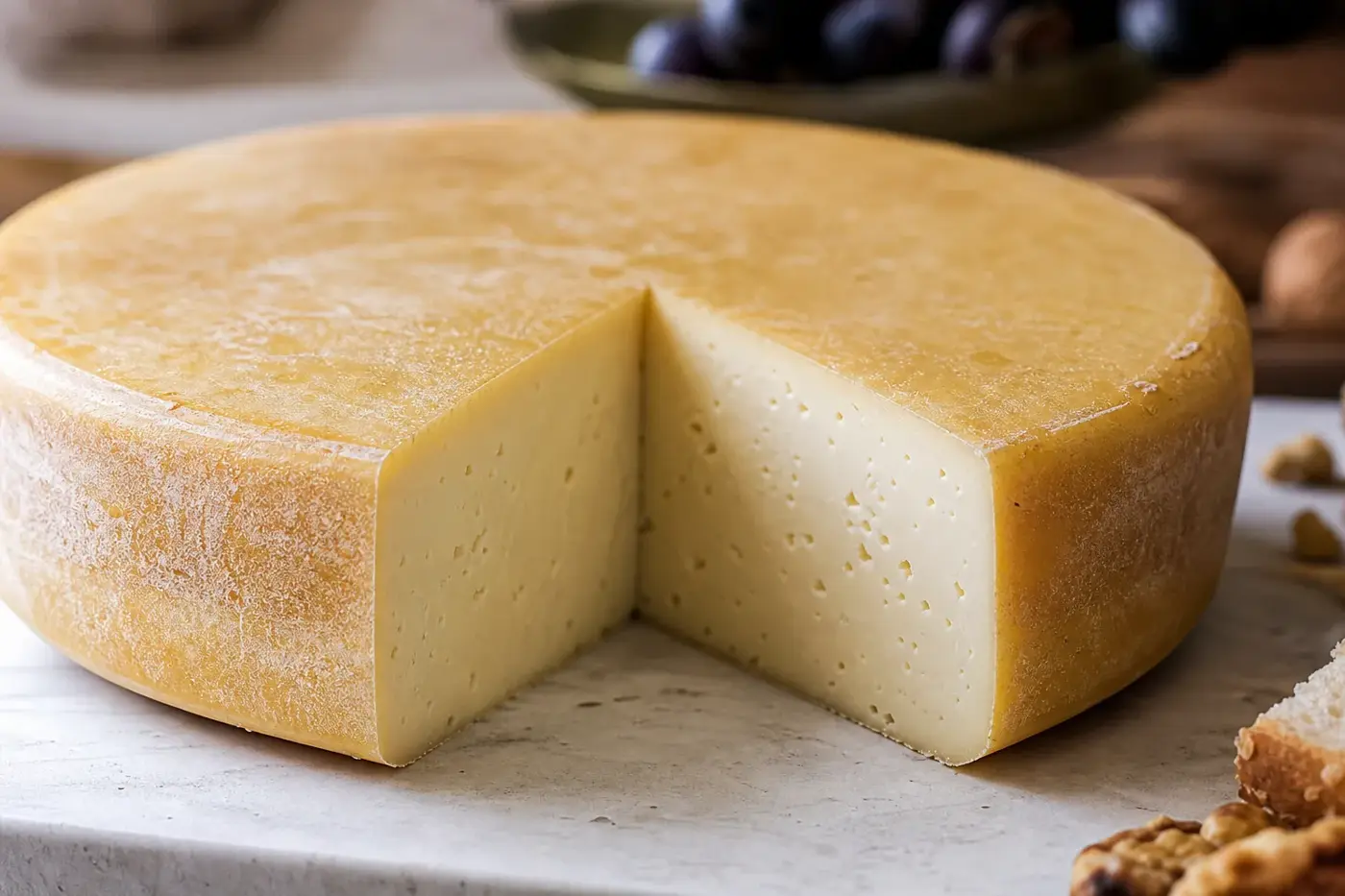
Kanterkaas
Let your eye travel down a wheel of Kanterkaas.
The editors suggest you read next
French Cheese: The Complete Guide
Picture Normandy’s pastures, then follow the milk towards the Loire’s goat dairies, the Jura’s shared cheesemaking traditions and the sheep country of the Pyrenees.