Northern Irish Cheese
Open a cheesemaking book published in 1917 and you might not expect it to lead you to Newtownards today.
Open a cheesemaking book published in 1917 and you might not expect it to lead you to Newtownards today. Yet that is where the story of Young Buck, a raw cow’s milk blue, takes you. An old recipe helped shape a cheese with its feet firmly in Northern Ireland’s present, and gives you an intriguing first bite of this grassland dairy country.[2]
The milk here supplies large cheddar dairies and small cheesemakers working with blue moulds, white rinds and beer washes. Put Young Buck beside County Armagh’s Ballylisk Triple Rose and the varied Dart Mountain range from the Sperrins, and the landscape starts to unfold. Your cheeseboard is covering considerable ground for something that never leaves the table.[1][2][3][4]
Six counties, and room on your board
Your cheese trail takes in Northern Ireland’s six counties: Antrim, Armagh, Down, Fermanagh, Londonderry, also commonly called Derry, and Tyrone. The important detail is where a cheese is produced. Finding it on a Northern Irish shop’s counter does not, by itself, tell you its origin.
Begin with raw cow’s milk blue from Newtownards, Down, then turn to cream-enriched soft cheese associated with Portadown, Armagh. Add cheddar from near Cookstown in Tyrone and naturally rinded cheeses from Dart Mountain near Park in County Derry. You have already crossed counties and cheesemaking methods without needing a larger table.[2][3][4][5]
There is no single regional style you must track down. Familiar everyday cheddar belongs here just as much as a cheese shaped by one dairy’s recipe and approach to maturation. The pleasure is in discovering those differences.[2][4][5]
Green fields, and the decisions behind them
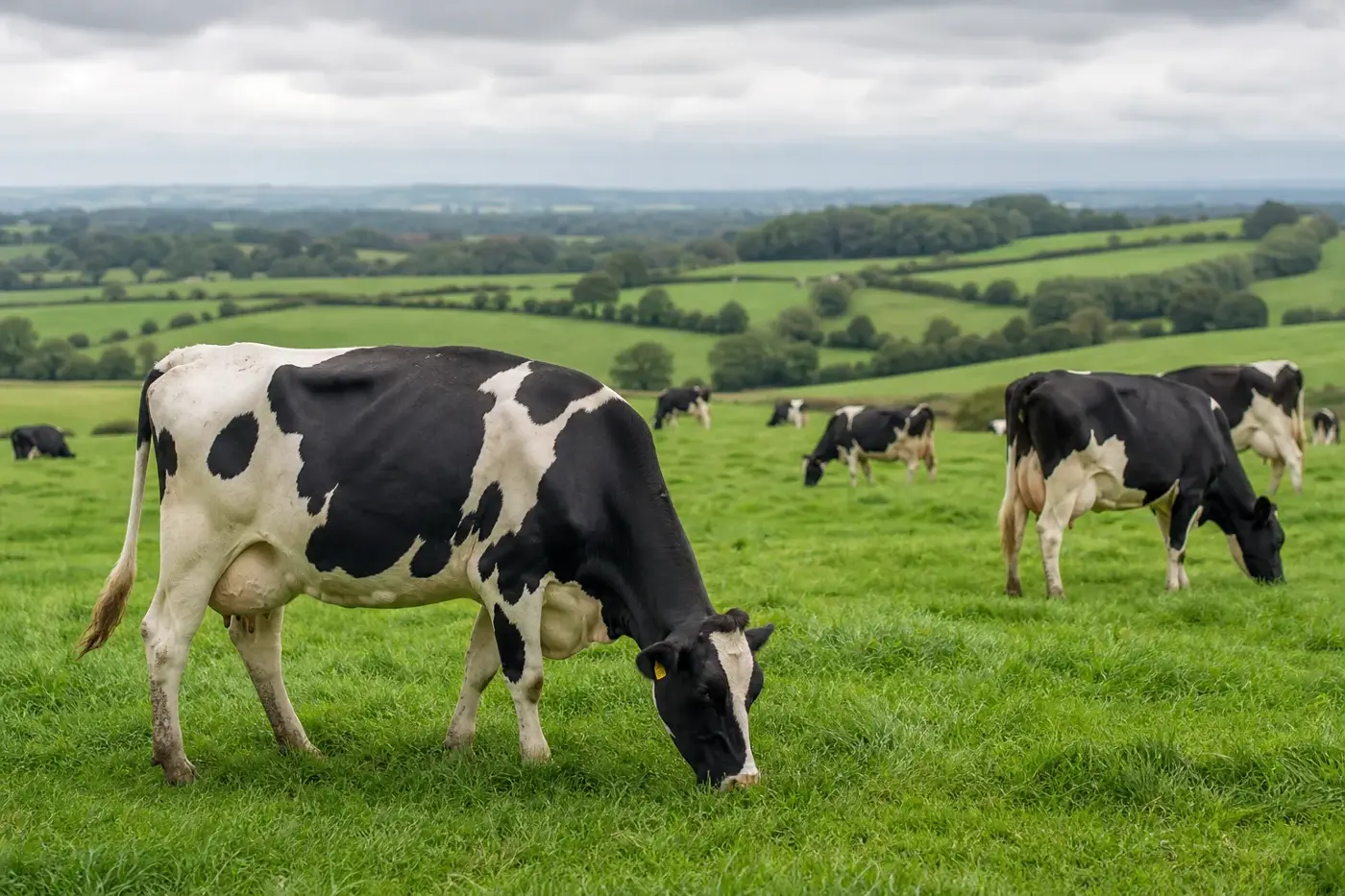
Fresh grass, or grass conserved as silage, is the cornerstone of Northern Ireland’s dairy cows’ diets. The Department of Agriculture, Environment and Rural Affairs, DAERA, describes its importance in guidance published in March 2026. Silage is grass preserved for times when fresh grazing is insufficient or unavailable.[1]
Rain helps the grass grow, but it can also leave the ground too wet for easy grazing. DAERA describes challenging soil and ground conditions at the beginning of 2026. That makes managing grazing and producing good silage especially important.[1]
Behind those green fields sit practical decisions about conserved forage, feeding and farmland management. The milk supply is substantial: DAERA’s provisional figures put Northern Ireland’s raw milk production at approximately 2.8 billion litres in 2025. That figure covers total milk production, not the amount used specifically for cheese.[6]
At the dairy door, the possibilities begin to branch out. Milk can be raw or pasteurised, cream can be added, and cheeses can develop blue mould or receive a rind wash. Those choices help explain the very different experiences waiting below.[2][3][4]
Meet the people behind the counter
At Dale Farm’s Dunman site near Cookstown, cheddar making began in 1973. The company identifies Dunman as Dromona cheddar’s production home. Before the cheese is released, Dromona’s own account describes graders assessing blocks and slices.[5][7]
This is a different scale from a small cheese room, but making, maturation and selection matter in both. You need not choose sides. A familiar cheddar and a small-production blue can share a board quite happily.
Independent businesses take other routes from milk to counter. Mike’s Fancy Cheese combines cheesemaking with cheesemongering in Belfast, while Dart Mountain describes a family-run dairy developed from an agricultural barn. Ballylisk’s entry in Food NI’s 2024/25 producer guide records farm milk supplying a separate cheesemaking operation nearby.[3][8][9]
Together, they give you a fuller picture of Northern Irish cheese. Large dairies, family farms, cheese rooms and specialist counters each contribute something. Follow more than one route and the selection becomes all the more interesting.
Young Buck: follow a blue back to 1917
Young Buck begins with raw cow’s milk in Newtownards, County Down. Its maker, Mike’s Fancy Cheese, gives it a minimum maturation of 12 weeks and traces the recipe’s beginnings to that cheesemaking book published in 1917. Here, an older blue-cheese method has found a contemporary Northern Irish home.[2]
What can you expect when you cut a piece? The maker describes Young Buck as rich. The Courtyard Dairy, a cheesemonger selling it, describes hand-ladled curds, a smooth texture and a rounded flavour with a lingering finish.[2][10]
The Courtyard Dairy’s production account lets you look a little further into the cheese room. The outside is smoothed, then piercing takes place later in maturation to encourage blue development. Small steps in the making help shape what reaches your plate.[10]
At the counter, ask about the piece in front of you rather than relying on the name alone. What is its present maturity and texture? Is this cut a gentler introduction to blue, or one for someone seeking a more developed flavour?
Counter staff can help you choose. For the distinction between milk treatments, take a look at raw milk, thermised and pasteurised cheese. It is a useful companion to that conversation.
Ballylisk Triple Rose: make room for cream
For a different direction on your board, turn to Ballylisk Triple Rose. Food NI’s 2024/25 producer guide describes this County Armagh cheese as triple-cream, made from pasteurised cow’s milk. Added cream and white-mould ripening bring richness, with salty and lemony notes alongside it.[3]
The same account takes you to the family farm near Portadown, where the milk is sourced. Cheesemaking happens a few miles away at the Mahon Road premises. The farm supplies the milk; the separate dairy makes the cheese.[3]
Choose Triple Rose when you fancy something soft and cream-enriched rather than a firm slicing cheese. Its added cream and white-rind ripening distinguish it from both cheddar and Young Buck. That gives it a proper role on the board, rather than simply filling a gap.[3]
Try plain bread first, giving you and your guests time to explore the cheese before adding fruit or chutney. A smaller whole cheese can make an appealing presentation for this style, too. Ask about the maker’s current formats and let the retailer help you choose.
Dart Mountain: a barn becomes a Sperrins dairy
In 2009, an agricultural barn became Dart Mountain’s dairy. You will find the business near Park in County Derry, in the Sperrin Mountains. Its account records a subsequent period devoted to developing cheesemaking and ageing skills.[8]
Dart Mountain describes itself as family-run. Its current range page says the cheeses are pasteurised and made with vegetarian rennet, the coagulant that helps milk form curds. Goat’s milk cheeses join the cow’s milk selection here, giving you another direction to explore.[4]
Start with these four cow’s milk cheeses to get a feel for the variety one dairy can offer. Their methods and maturation periods give you useful clues before you taste.
| Cheese | How it is made or aged | Flavours to look for |
|---|---|---|
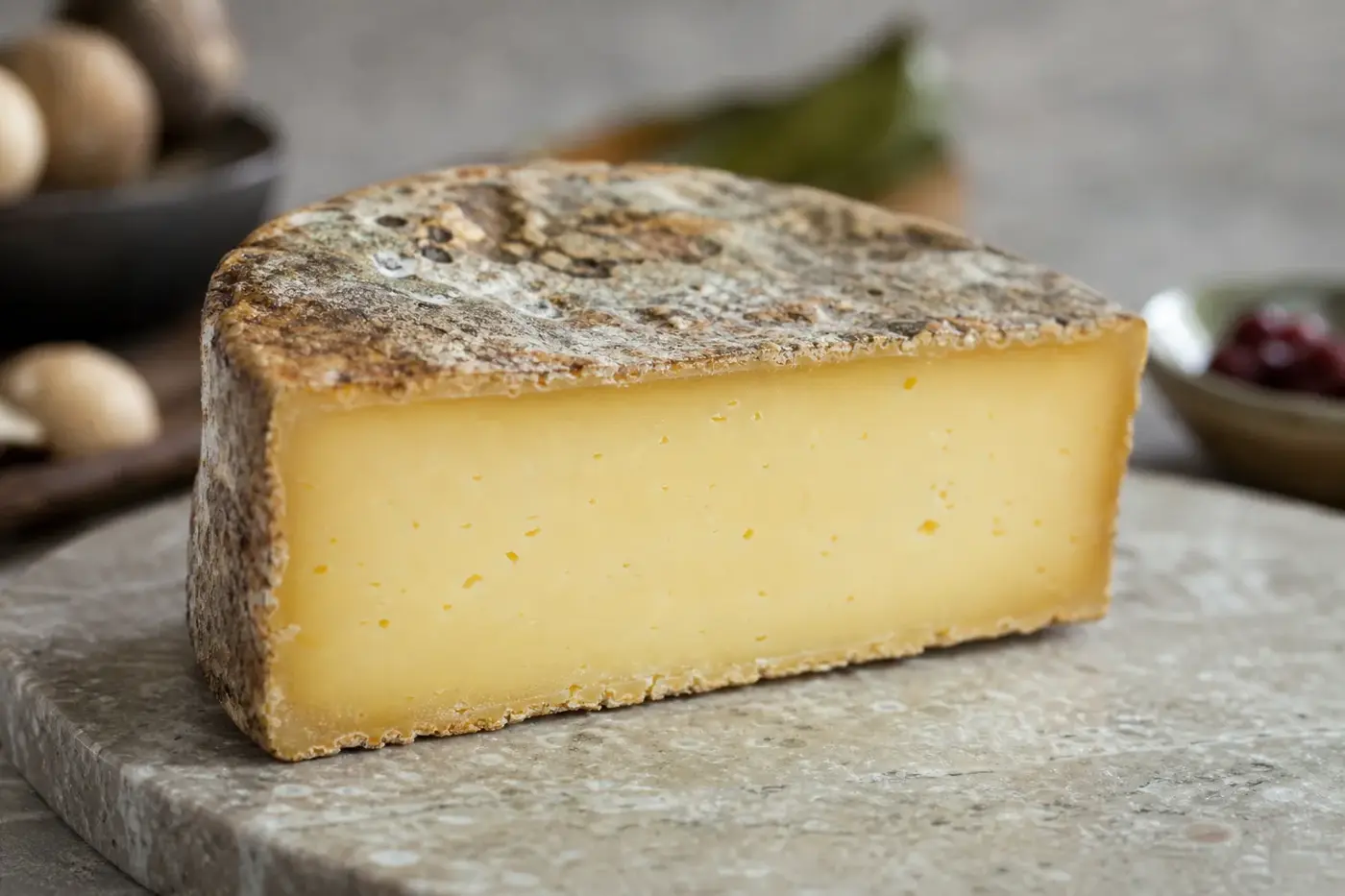
| Kilcreen | Natural rind; at least six months | Mild, with a nutty aftertaste.[11] |
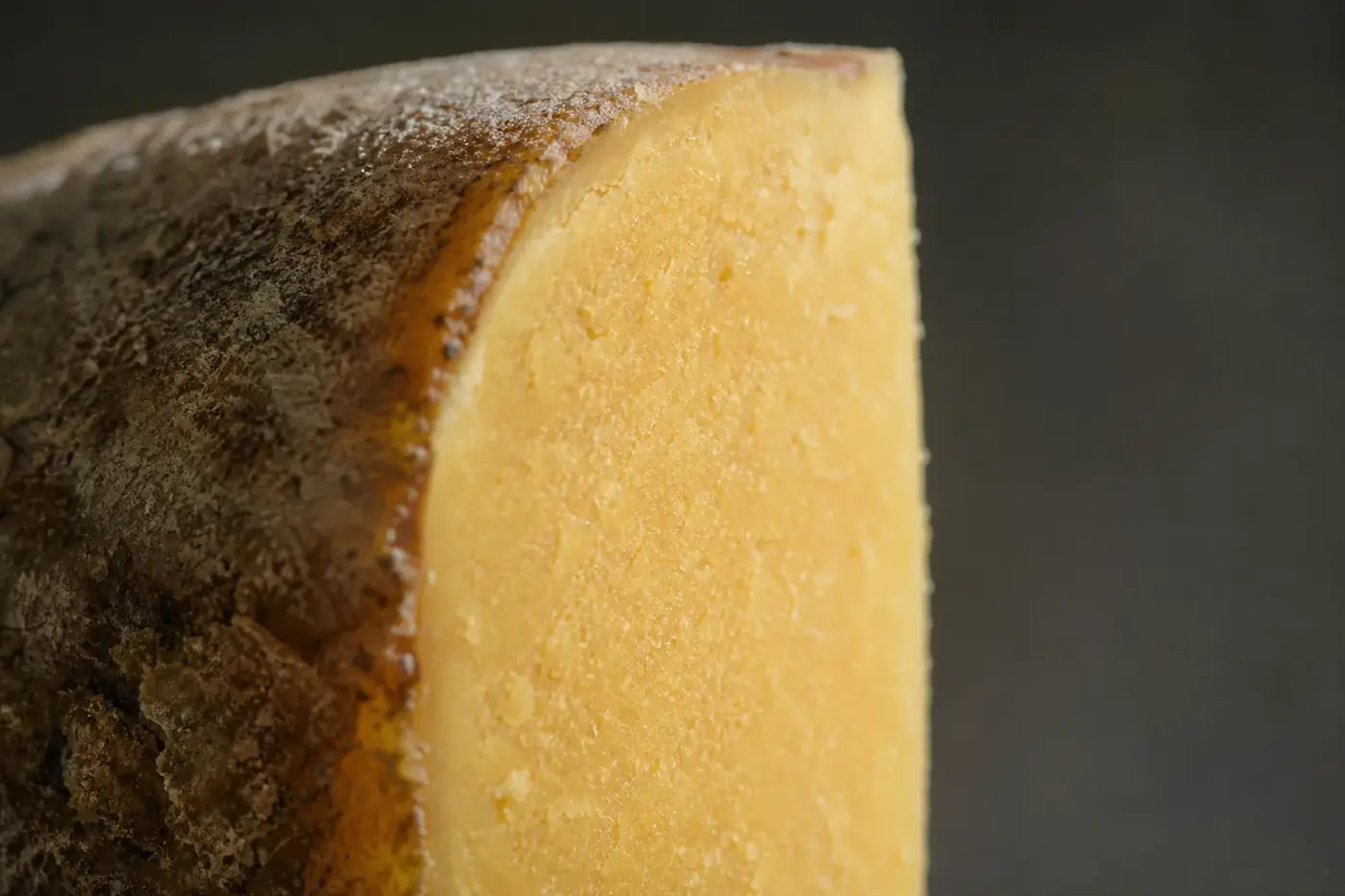
| Tirkeeran | Natural rind; at least seven months | Hard, savoury and sharp.[12] |
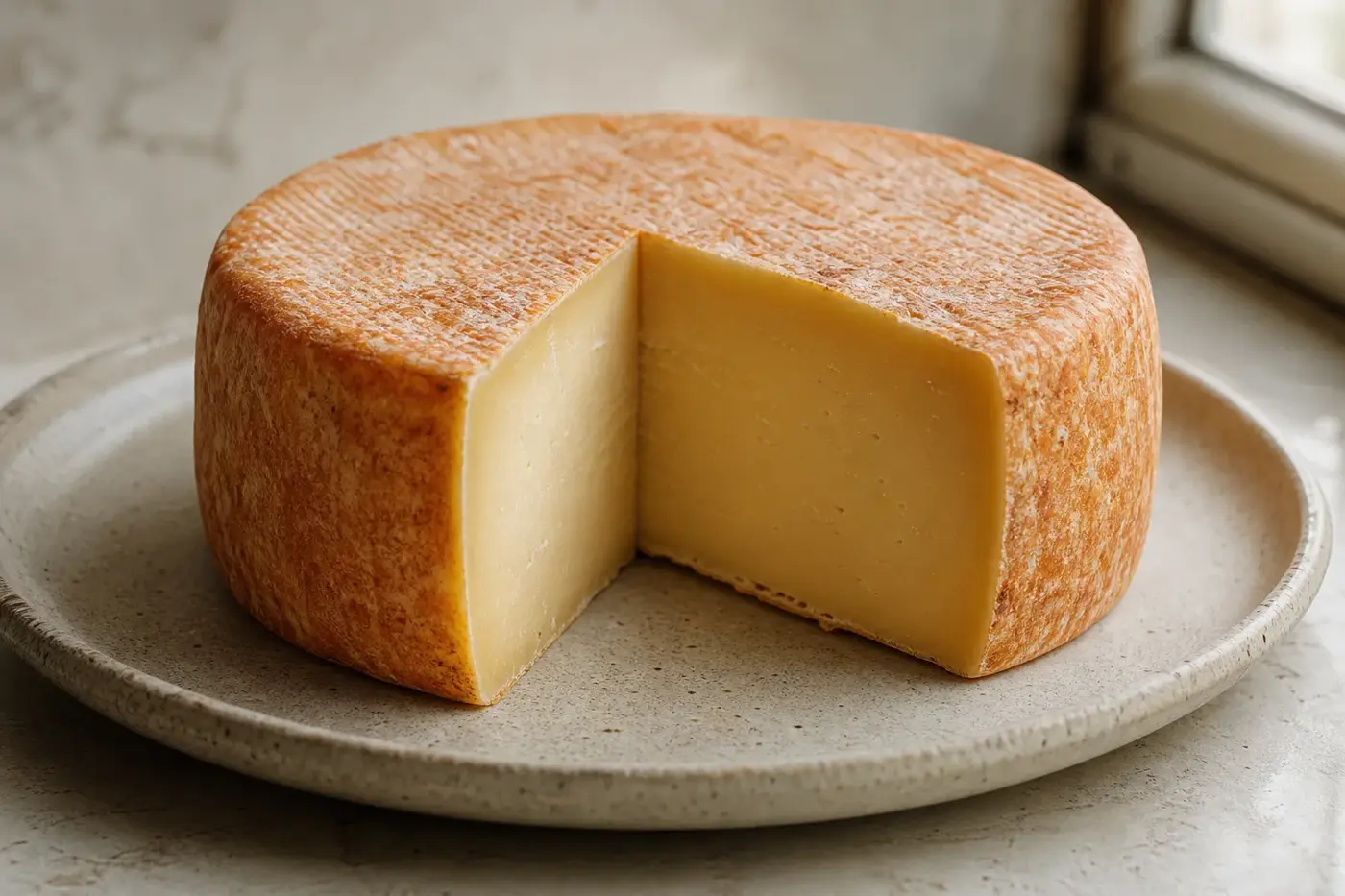
| Banagher Bold | Local craft beer wash during making and ageing; at least three months | Malty, rich and mellow.[13] |
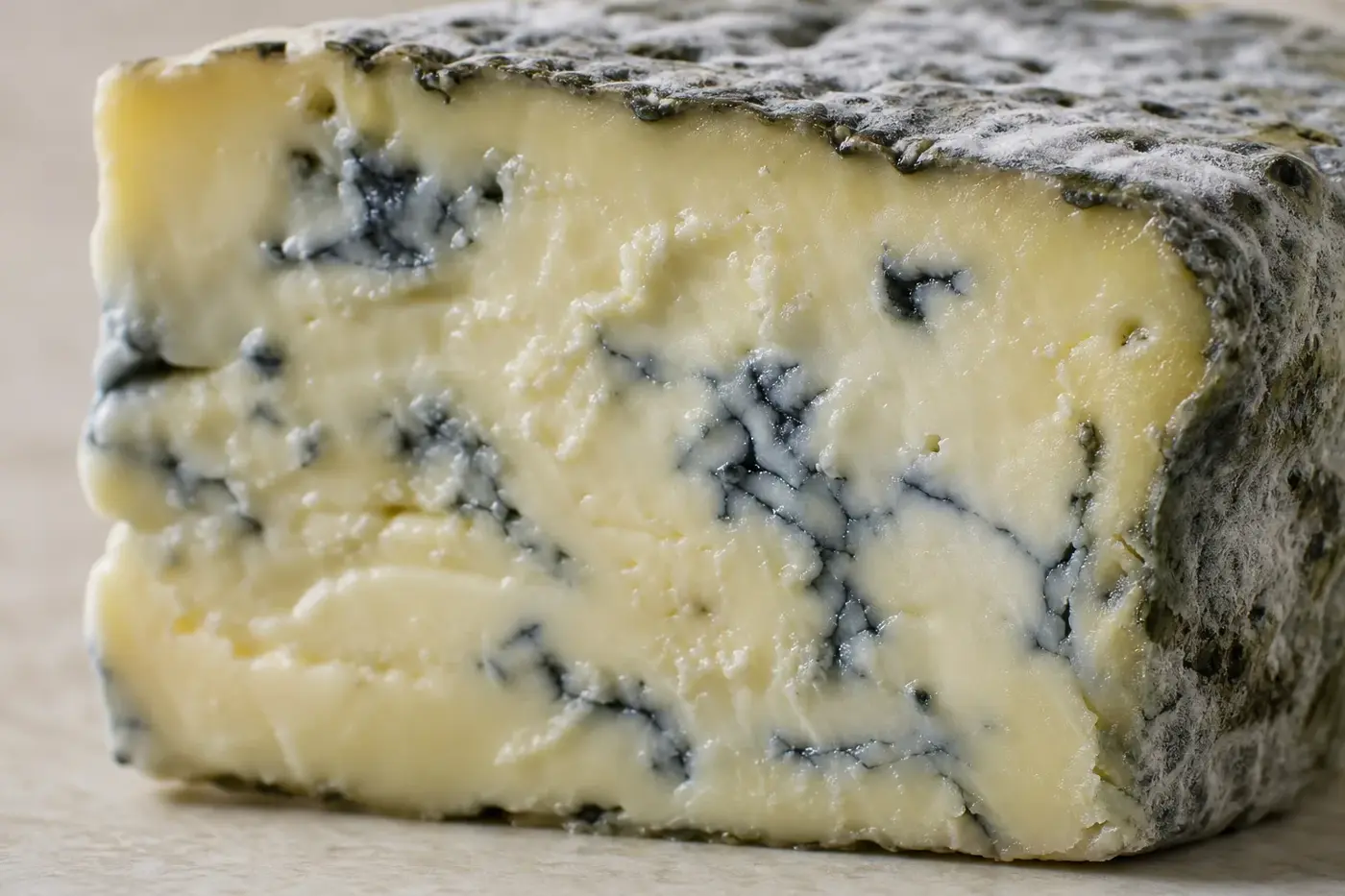
| Sperrin Blue | Mould-ripened; at least two months | Fudgy and piquant; more intense with age.[14] |
These ageing periods and flavour descriptions come from the producer. The periods are not statutory minimums, and the descriptions give you a starting point for choosing.
With Banagher Bold, a local drink becomes part of the making process. Dart Mountain says the beer wash contributes flavour and develops an orange rind. Sperrin Blue has its own dedicated maturation room, allowing the maker to maintain conditions for that cheese.[13][14]
The range also lists Meeny Hill Goat Cheese, Meeny Hill Blue Cheese and Carraig Bán. Availability varies between counters, so ask what is in stock. Arriving with the full named range as your shopping list may require a more accommodating fridge.[4]
Build a board you actually want to eat
Start with what you want your cheese to do. Locally made cheddar gives you a familiar sandwich choice, while a soft cheese and a blue bring clear contrasts to a board. Curious about one dairy’s work? Try several Dart Mountain cheeses together.[3][4][5]
Kilcreen, Banagher Bold and Young Buck make one useful tasting selection. You get a mild naturally rinded cheese, a beer-washed cheese and a raw milk blue. Their different methods give you as much to explore as their names.[2][11][13]
Ask the seller four questions: who made it, where it was made, how the milk was treated, and how this particular piece has been stored. Keep the label or counter ticket with the cheese. The answers are more useful when they make it home with you.
A Northern Irish shop may also sell cheeses from the Republic of Ireland and elsewhere. Keep production origin separate from the shop’s address. The wider guide to reading a cheese label explains how to distinguish the maker, packer and seller.
Bring it home and look after it
Choose a counter or delivery service that can explain the cheese and its storage instructions. If you order a delivery, arrange for someone to receive it. Put it in the fridge promptly.
The Food Standards Agency’s home-storage guidance for England, Northern Ireland and Wales recommends a fridge between 0 and 5 °C. It advises refrigerating dairy products and following the packaging’s storage instructions and date markings. Those details take priority over a general rule of thumb.[15]
Keep each cheese covered and identifiable, following its packaging instructions. Retain any directions about how soon to consume it after opening. Do not apply one shelf life to the whole selection; you can find more practical detail in how to store cheese at home.
When serving, follow the current Food Standards Agency guidance for England, Northern Ireland and Wales. Follow the product’s own storage instructions alongside it.[15]
Give blue cheese a separate knife if you want the other cheeses to retain their own flavours. For a small tasting, try each cheese on its own before adding an accompaniment. You will find it easier to explore the differences.
Give bread, fruit and drinks their moment
Begin with plain sourdough, wheaten bread or oatcakes, an apple or pear, and one small dish of chutney. You do not need to cover every cheese with the same preserve. Let your guests add sweetness gradually and find the combinations they enjoy.
Bread with blue cheese has a local precedent: Mike’s Fancy Cheese offers sourdough alongside Young Buck. Dart Mountain suggests an Armagh cider drizzle with Sperrin Blue and craft beer with Banagher Bold. These give you a few starting points without crowding the board.[2][13][14]
For an alcohol-free board, consider apple juice diluted with sparkling water, a clearly labelled alcohol-free cider, or water. Keep plain bread within reach, too. It lets you return to the cheese without another flavour competing for attention.
For adults of legal drinking age who choose alcohol, Dart Mountain suggests dry white wine or local pale ale with Tirkeeran. Offer a small serving alongside an alcohol-free alternative.[12] Any accompanying published advice on pregnancy, driving, interacting medicines and recovery from alcohol dependence should follow and link to the relevant current official guidance.
This page summarises published guidance from the official sources it cites. It is not medical advice. Guidance differs between countries and changes over time, so check the current source for where you live, and ask your doctor, midwife, pharmacist or dietitian about your own circumstances.
Read the label and follow safety guidance
Start with the current label, and ask the seller if milk treatment is unclear. Young Buck’s maker specifies raw cow’s milk. Dart Mountain identifies pasteurised milk across its published range, while Ballylisk’s entry in the 2024/25 Food NI guide identifies pasteurised milk for Triple Rose.[2][3][4]
Any published passage giving NHS advice should reproduce the applicable current guidance accurately. It should include a dated link and specialist approval.
Milk treatment is only one part of the picture. NHS advice also distinguishes cheeses by texture and ripening style. If you need help applying that guidance to your circumstances, take the product information to your midwife or clinician.[16]
For further information, consult the current NHS listeriosis guidance. The Food Standards Agency alerts service is another place to turn.[17][18]
Follow your next cheese curiosity
Explore these cheeses alongside the wider British cheese guide. If your curiosity takes you south of the border, turn to the separate guide to cheese of the Republic of Ireland.
To put the differences into context, How to Tell Cheese Styles Apart: Milk, Rind, Texture and Method explains the styles and methods you have encountered here. For the broader background to Northern Ireland’s familiar hard-cheese production, head to Cheddar.
Questions people ask
What is Young Buck cheese?
Young Buck is a blue cheese made from raw cow’s milk in Newtownards, County Down. Mike’s Fancy Cheese matures it for at least 12 weeks.
What does Ballylisk Triple Rose taste like?
Food NI describes Ballylisk Triple Rose as rich, with salty and lemony notes. It is a soft cheese made with added cream and ripened with white mould.
Are Dart Mountain cheeses suitable for vegetarians?
Dart Mountain says its cheeses are made with vegetarian rennet. The maker also says its current range uses pasteurised milk.
Which Northern Irish cheeses could I put on a cheeseboard?
Kilcreen, Banagher Bold and Young Buck offer three different styles. They include a mild cheese with a natural rind, a beer washed cheese and a raw milk blue.
How should I store Northern Irish cheese?
The Food Standards Agency advises refrigerating dairy products, keeping the fridge between 0 and 5 °C, and following storage instructions and date markings on the packaging. Consult its home storage guidance for England, Northern Ireland and Wales.
Sources
- DAERA, Building your farm resilience with grass and grazing, 12 March 2026. Sections on grass, grazing, silage and ground conditions.
- Mike’s Fancy Cheese, Young Buck and homepage, undated product information, retrieved November 2026. Maker, production location, raw cow’s milk, maturation and accompaniments.
- Food NI, Food Producer Guide 2024/25, Ballylisk of Armagh entry, printed page 55. Industry publication describing milk source, production premises, cream addition and white-mould ripening.
- Dart Mountain Cheese, Our cheese range, undated, retrieved November 2026. Milk species, pasteurisation, vegetarian rennet, product names and address.
- Dale Farm, Our locations, undated, retrieved November 2026. Dunman production site and cheddar-making history.
- DAERA, Northern Ireland agricultural incomes in 2025, 2026 release. Provisional milk production figure and revision qualification.
- Dromona, homepage, undated, retrieved November 2026. Production near Cookstown and cheese grading.
- Dart Mountain Cheese, About us, undated, retrieved November 2026. Dairy conversion, family business and Sperrin location.
- Mike’s Fancy Cheese, About Mike’s Fancy Cheese, undated, retrieved November 2026. Combined cheesemaking and cheesemongering activity.
- The Courtyard Dairy, Young Buck, undated, retrieved November 2026. Commercial cheesemonger’s account of production and sensory character.
- Dart Mountain Cheese, Kilcreen Cheese, undated, retrieved November 2026.
- Dart Mountain Cheese, Tirkeeran Cheese, undated, retrieved November 2026.
- Dart Mountain Cheese, Banagher Bold Cheese, undated, retrieved November 2026.
- Dart Mountain Cheese, Sperrin Blue Cheese, undated, retrieved November 2026. Add the verified URL for the cited FSA guidance, and add verified URLs for the other retrieved sources before publication.
- NHS, Foods to avoid in pregnancy, reviewed 15 June 2026. Cheese, dairy and alcohol sections.
- NHS, Listeriosis, current retrieved edition, November 2026.
- Food Standards Agency, Alerts, current service, retrieved November 2026.
This desk-researched guide combines official agricultural statistics and consumer guidance with producer publications, an industry directory and an attributed cheesemonger’s account.
Last checked: November 2026
Last checked November 2026.
The cheeses of Northern Ireland
Banagher Bold
That orange rind has had a brush with local craft beer.
Kilcreen
Look up from Dart Mountain Cheese’s dairy to the mountainside opposite.
Meeny Hill Blue
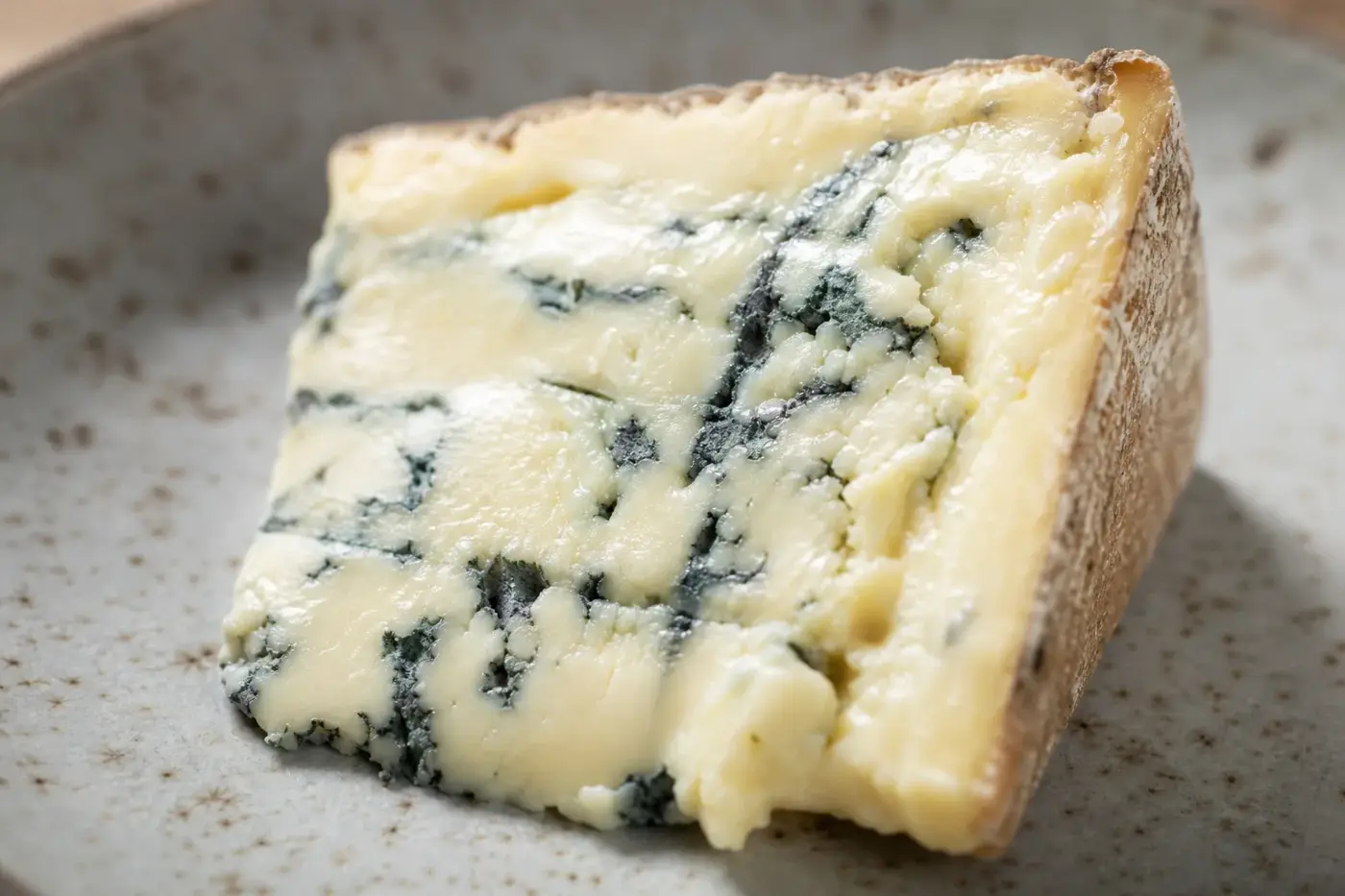
A small piece of Meeny Hill Blue, plain bread and a little fruit: give this cheese some room on your plate.
Meeny Hill Goat
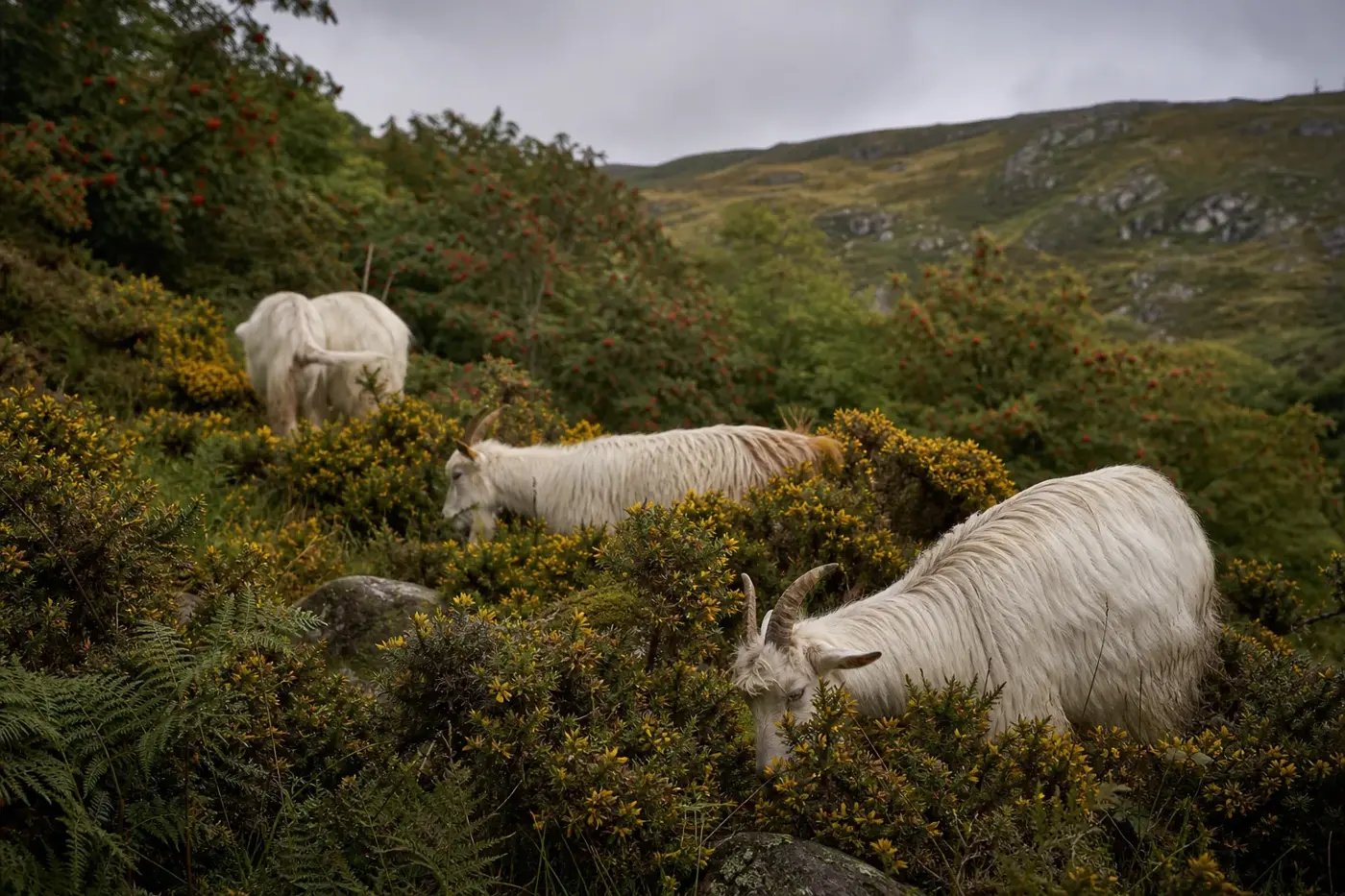
Up on Meeny Hill, goats browse among gorse and mountain ash.
Single Rose Brie
Fresh milk leaves the Wright family’s dairy farm at Ballylisk.
Sperrin Blue
Below Dart Mountain, a former agricultural barn has swapped farm duties for cheesemaking.
Tirkeeran
Take a bite, then pause before reaching for the next slice.
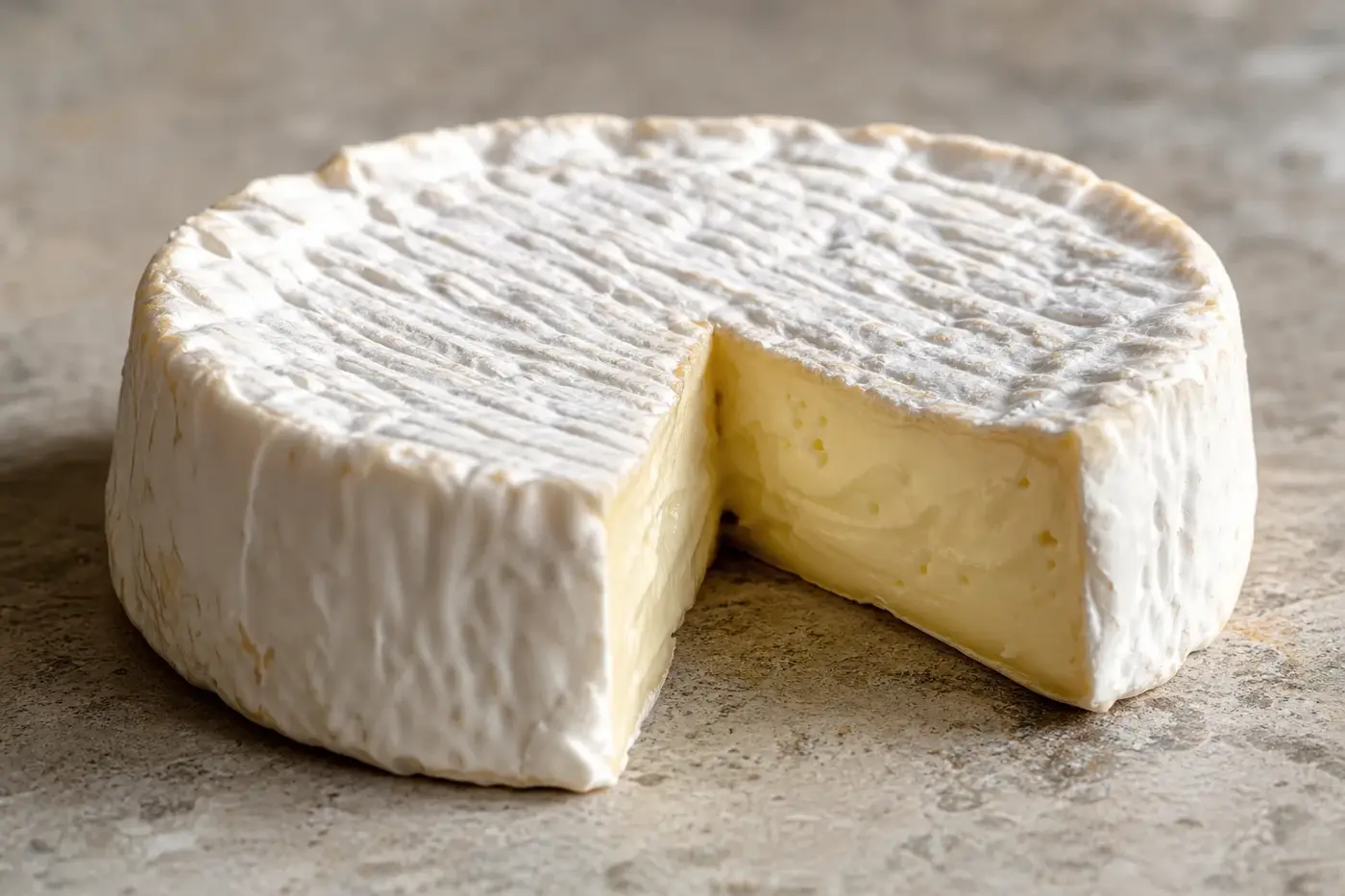
Triple Rose
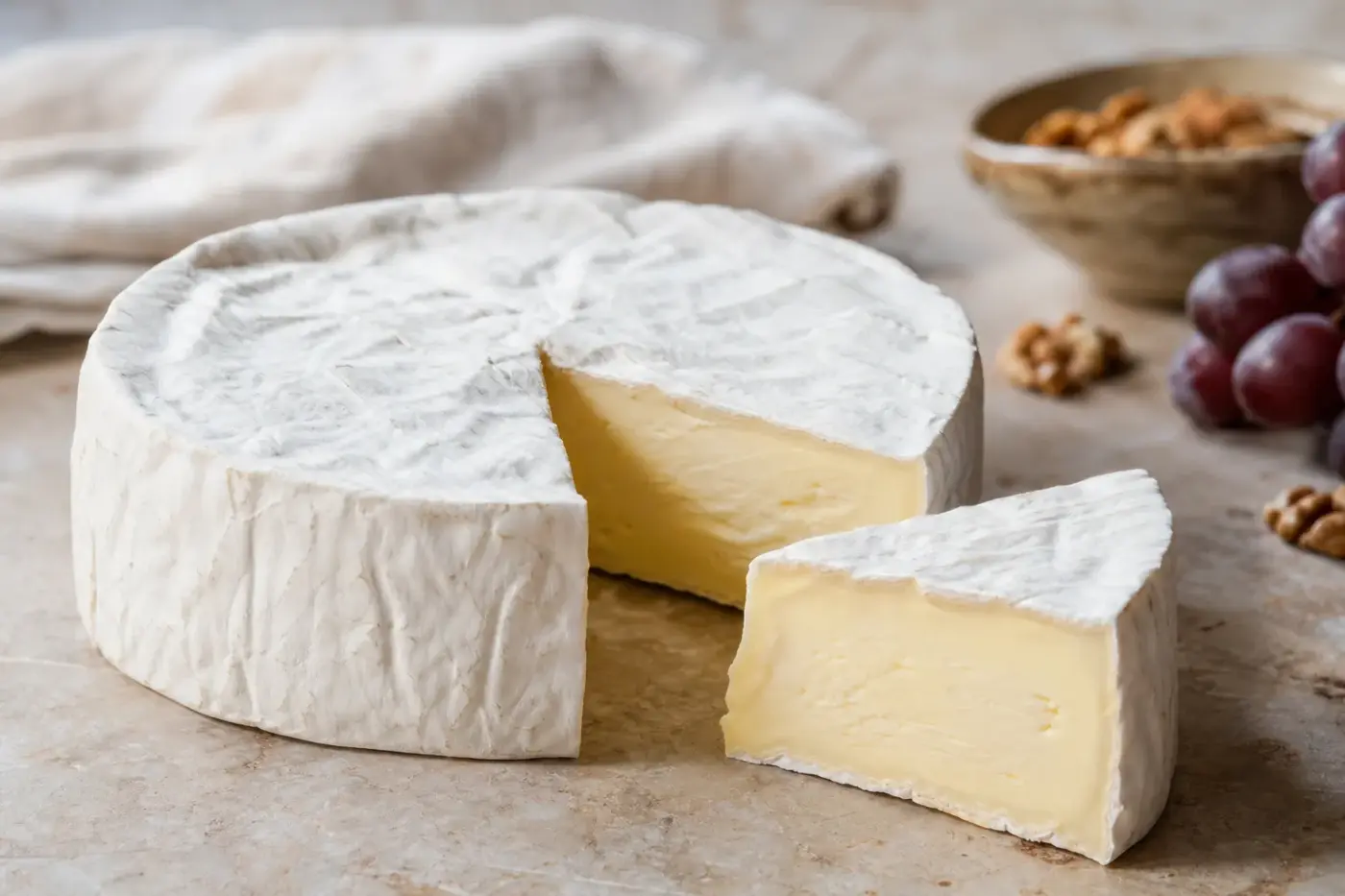
Your knife slips through Triple Rose’s white mould rind into a soft, cream-enriched centre.
The editors suggest you read next

French Cheese: The Complete Guide
Picture Normandy’s pastures, then follow the milk towards the Loire’s goat dairies, the Jura’s shared cheesemaking traditions and the sheep country of the Pyrenees.


